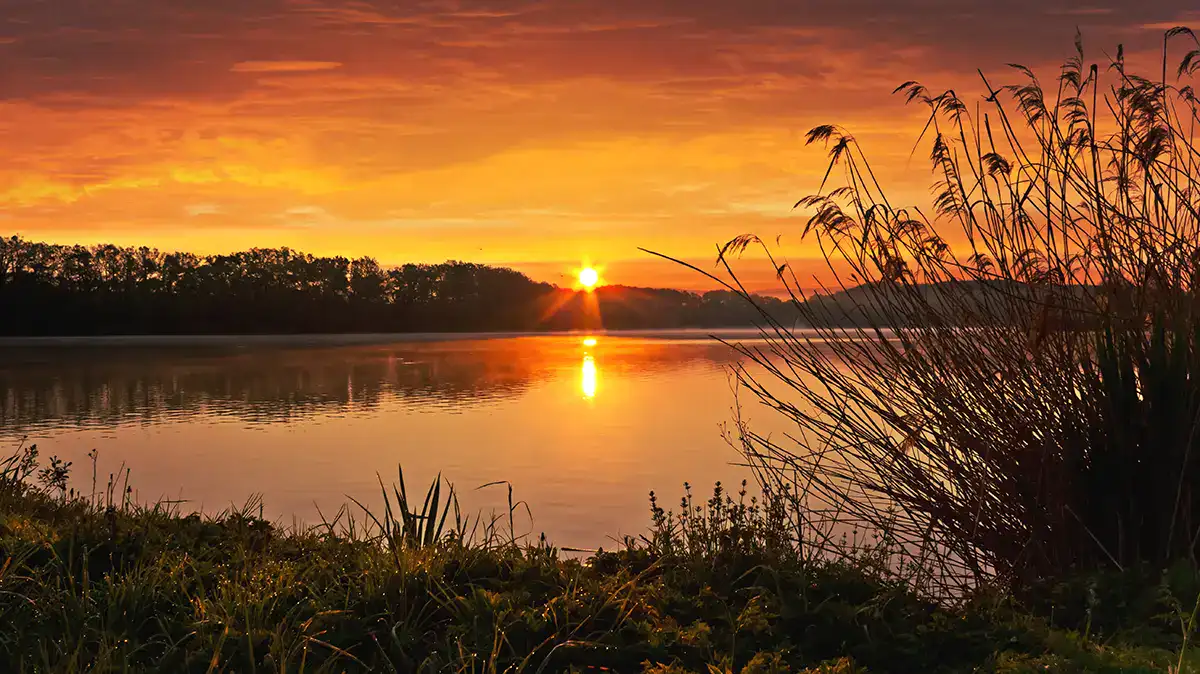
So, you don’t have all the latest electronics to help you find fish? Let Mother Nature be your guide. Long-time fishermen in the Ozarks rely on the clues nature provides to know when the fish will be biting. Especially in the spring.
Take a look.
Flowering Trees

When the flowering trees of the Ozarks begin adding color to the drab landscape around Table Rock Lake, Jeff Fletcher knows that it’s time to go fishing. It starts early, when the serviceberry trees bloom.
“When they’re in full bloom, the walleye run is in full swing,” said Fletcher, a longtime guide. But it isn’t until later when the dogwoods burst out with their delicate white flowers that he knows spring has arrived.
“When the dogwoods bloom out, everything is waking up,” Fletcher said. “It usually takes place in mid-April. Here in the Ozarks. That’s when everything is biting — the bass, the white bass, the crappies, the walleyes.
“When it gets warm enough for the dogwoods to bloom, it means the water is warm enough to get the fish active.”
Watch The Wildlife
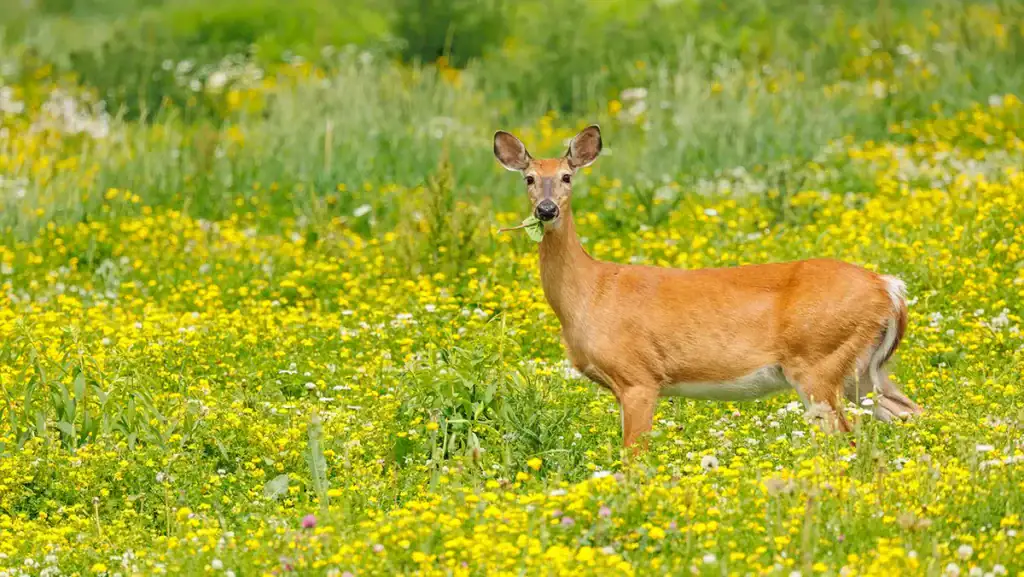
When the deer are out, the squirrels are scurrying around, and the cows are active, Pete Wenners knows he’s in for a good day of fishing.
“It usually means the fish are active, too,” said Wenners, a guide on Table Rock for 35 years. “I think it has to do with the barometer.”
Wenners has seen the barometer play a big part in fishing in other ways. When the barometer is falling right before a front barrels through, the fishing can be outstanding.
“I had one friend who was dying of cancer,” Wenners recalled. “He was out fishing in another boat and he was catching them one after the other as a front moved through.
“Finally it started thundering and lightning, and I hollered to him that he’d better get off the water. I was heading in. But he told me, ‘I’m going to die anyway. If I get struck by lightning, at least I’ll die a happy man.’”
That’s one of those “don’t try this yourself” moments. But it demonstrates how drastically the barometer can affect things.
The Barometer’s Bad Side
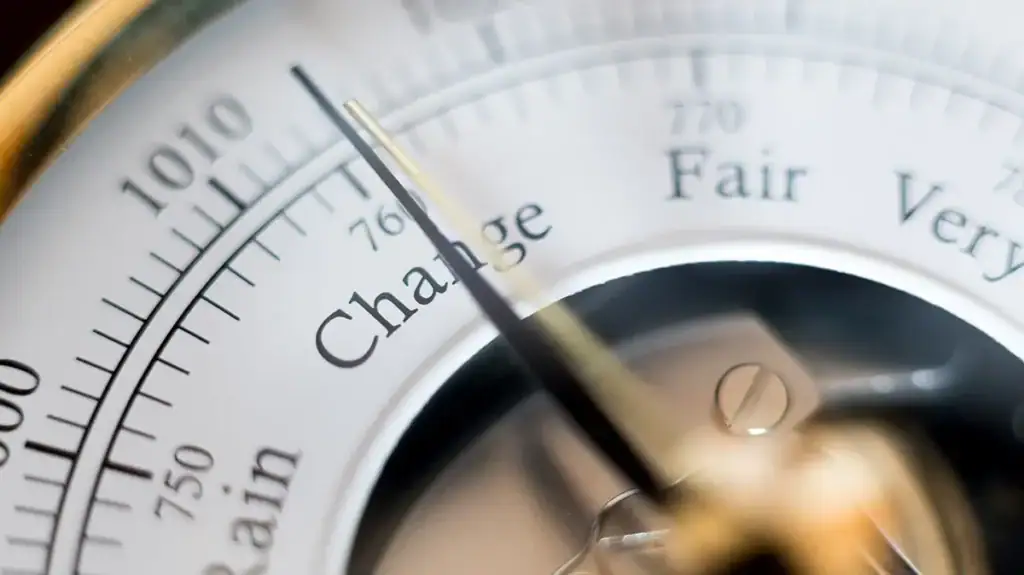
After that front moves through and high pressure sets in, that can shut the fishing down just as quickly as low pressure helped it.
“When you get those bright bluebird skies and the temperatures drop, the fishing gets tough,” said Stacey King, a veteran pro bass fisherman and guide. “When it’s real calm, too, there just isn’t much going on.
“Especially in clear water like we have here in the Ozarks, the fish aren’t active after a front. When it’s calm, they can get a better look at a bait and see that it isn’t real. And they’re much more affected by noise.”
The Wind Is Your Friend
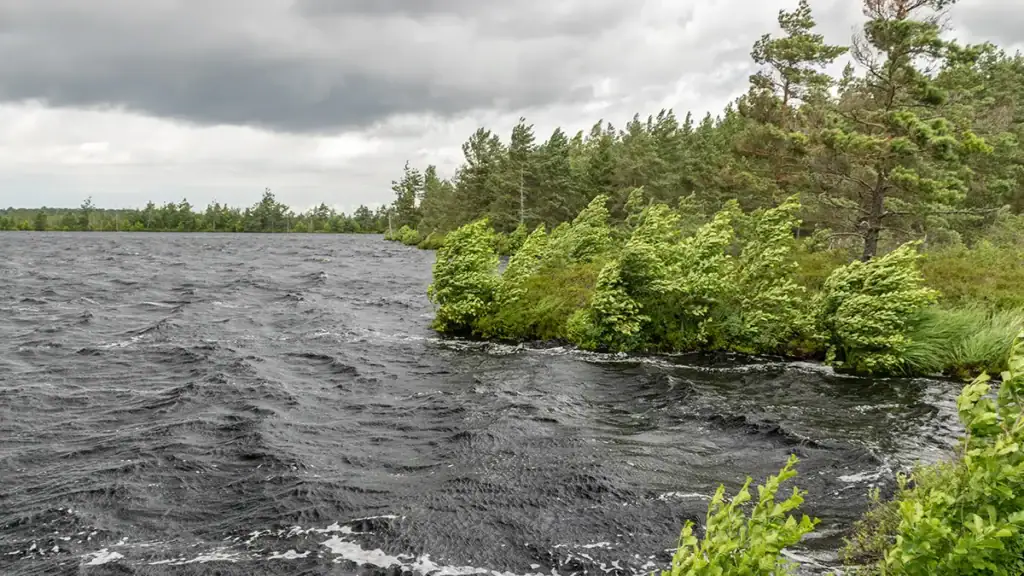
Many fishermen swear by the old saying “When the wind’s from the west, the fish bite best. When it’s from the east, the fish bite least.”
That’s more than just an old wives’ tale, Wenners said. South and west winds often are warm, and they cause baitfish to move shallower to feed. The waves often kick up food for the shad to eat and they will concentrate on rocky points and banks.
When that happens, the bass will follow and often readily hit shad or crawdad imitations thrown their way.
“A lot of times, we’ll chase the wind,” Wenners said. “We’ll look to see which side of the lake is getting wind and we’ll fish there.”
When The Peepers Peep
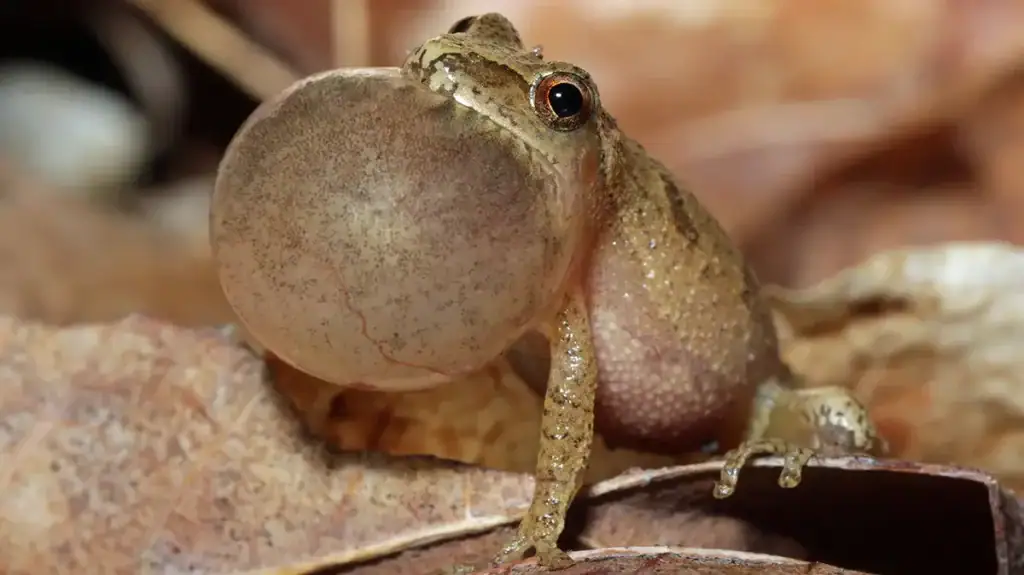
The old-time guides of the Ozarks also rely on the peepers, tiny chorus frogs that sound off to attract attention during mating season, as a way to determine that spring bass fishing is about to get good. I remember a trip long ago when I joined Gene Larew of lure-making fame for an early-spring trip on Table Rock.
“We’re going to catch them today,” said Larew, who has since passed away. “The tree frogs are really going to it. They’re telling us that it’s spring.”
Fletcher, whose father was a legendary guide and resort owner, heard the same thing from some of the guides he grew up with.
“One of our guides used to tell us that the third (period) when the peepers would sound off was the time when the fishing was about to get good,” Fletcher said. “The peepers might start calling early in the season, but then it would get cold again and they would quit. But the third time they did that, spring was there for good and they knew the fish would be biting.”
Likewise, another guide used nighttime temperatures as a clue to when the bass would be biting.
“He would tell us that the fish would be biting after we had three warm nights in a row,” Fletcher said. “Darned if he wasn’t right. That’s still true today.”
Follow The Birds
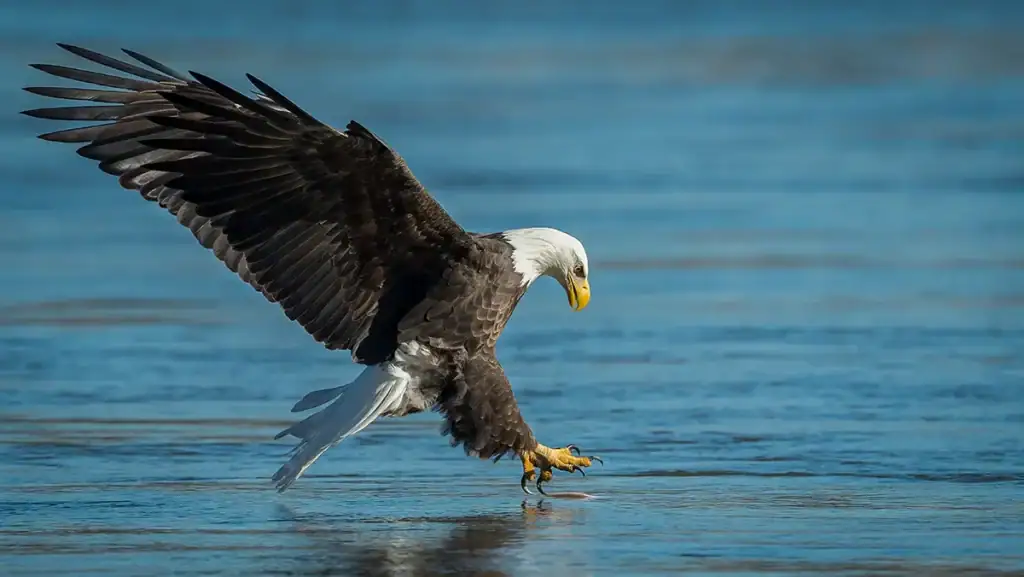
When the birds are swooping down on the water, King knows it’s time to motor over to that activity as quickly as possible.
“The birds are feeding on shad that are close to the surface,” he said. “You know there are fish under them, pushing the shad to the surface.
“You have to get over there before they go back down again. But you can have some fast fishing before those shad move on.”
Finally
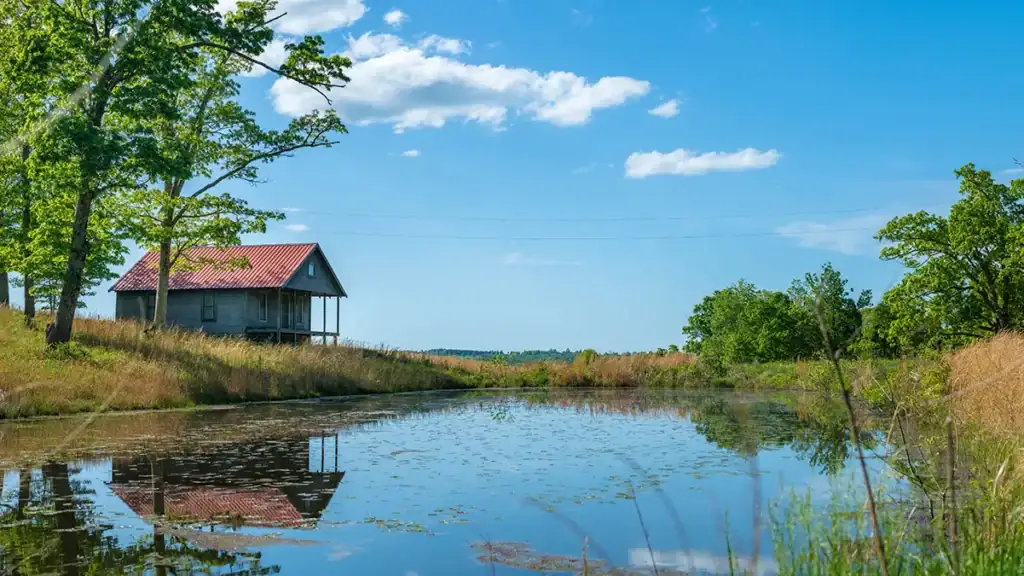
Instead of fishing with your head down, staring at your electronics, pay attention to what is going on in nature. Many veteran fishermen believe nature can guide you to fish that might not be found on a screen.
“I use a lot of electronics, but I like to fish old-school, too,” King said. “I like to see what is going on around me and react to what I’m seeing.
“It’s worked before, and it works now.”