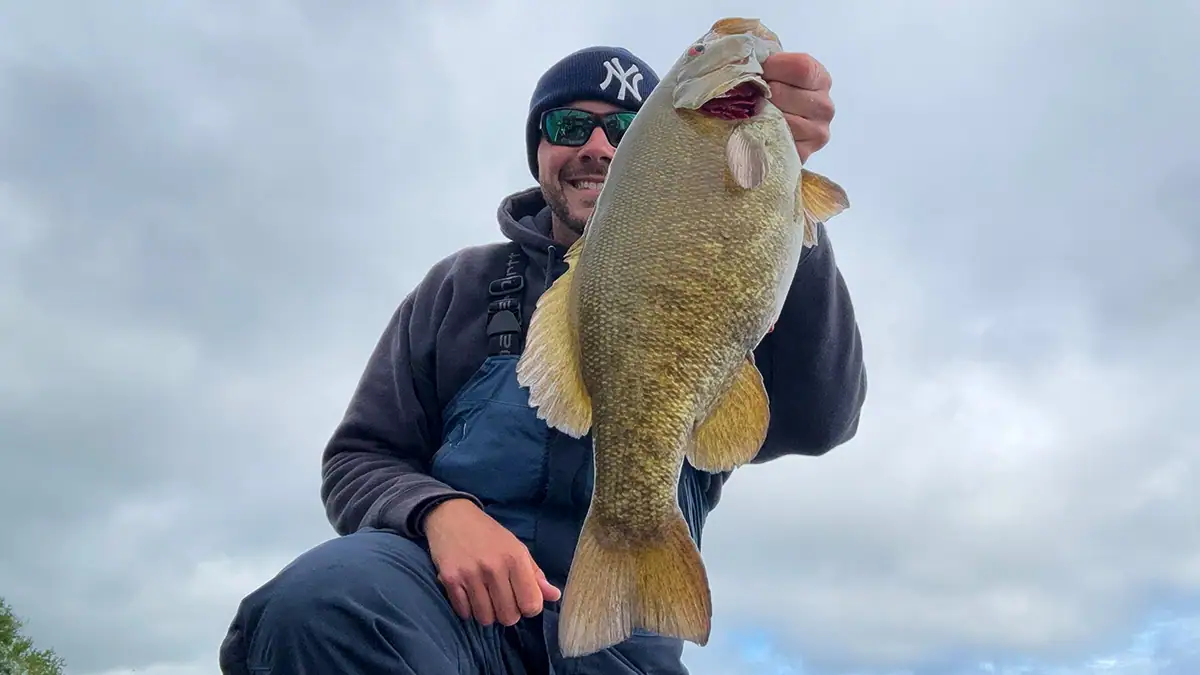
There’s a natural crossover between hunting and fishing that a lot of people overlook. On the surface, they seem like two different worlds — one in the woods or fields, one on the water. But if you spend enough time doing both, you’ll find that they sharpen the same instincts. In fact, some of the best anglers I know are also serious hunters. That’s no coincidence, as they look at things a lot differently than most anglers would. There’s a certain advantage to thinking outside the box.
Throughout the year while I’m fishing or guiding, hunting plays a big role in my life. Whether it’s gobbling longbeards in the month of May, chasing big bucks through the heart of the rut, laying in a September heat for early-season geese, or freezing my butt off on my Lund for late-season sea ducks, I really try to do it all. Hunting doesn’t just fill in the time in: It’s beneficial to my fishing by actively building the skills that make for a more effective angler. Here’s a few reasons why.
Reading the Environment
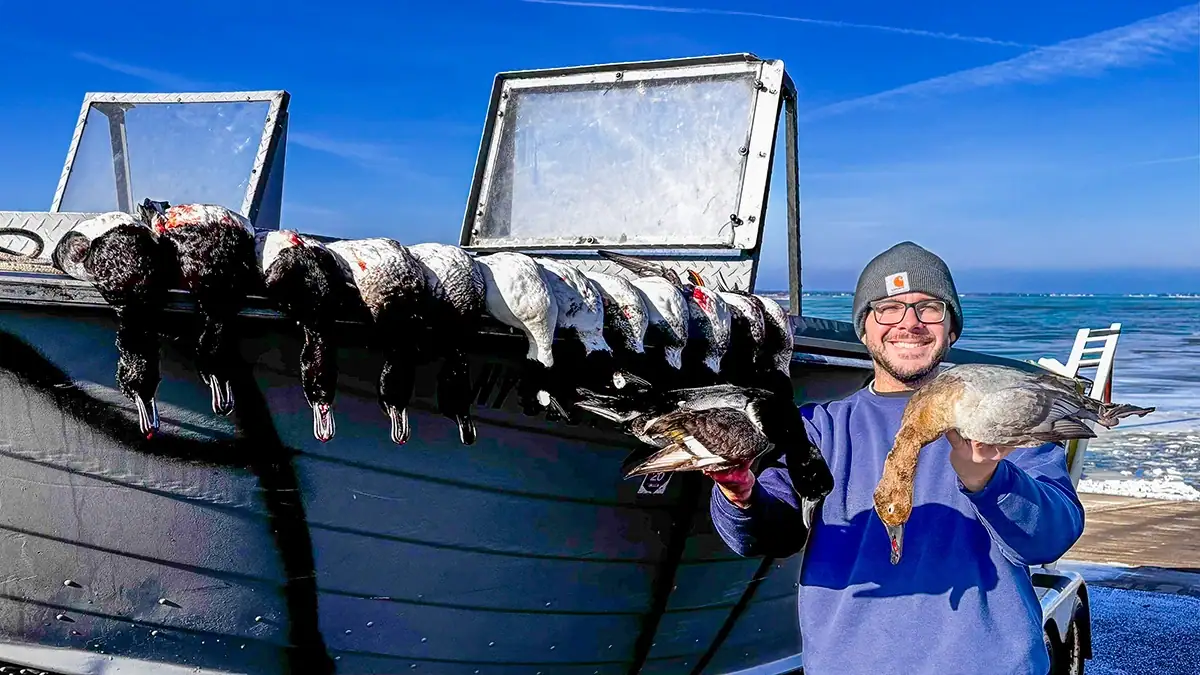
If there’s one skill that transfers most directly between the two worlds, it’s learning how to read the environment. A good hunter pays attention to everything: wind direction, terrain, food sources, travel corridors, pressure, and weather changes. You’re constantly asking where the game you’re pursuing is, why they are there, and where they are going. It’s an endless game of hide and seek — and that exact mindset applies to fishing.
Instead of trails, bedding areas, or roosting sites, you’re looking at points, weed edges, current seams, and baitfish movement; instead of acorn crops or agriculture fields, you’re thinking about forage availability and seasonal transitions. Whether you’re studying a contour map for land or water features, you’re learning more about the target area to fine-tune your approach. Hunting trains your brain to stop fishing randomly and start fishing with a strategy. Every hunting or fishing scenario has a purpose behind it that’s aligned with these creatures’ behavior.
You begin to break down water the same way you break down a piece of property — by eliminating unproductive areas and focusing on high-percentage zones. There’s a reason behind what fish and animals do, and it’s up to you to read the environment to figure things out. Hunting does exactly that.
Understanding Animal Behavior
Both hunters and anglers are trying to solve the same puzzle, which is how animals behave under changing conditions. Hunters understand patterns and trends. They know that animals don’t just wander aimlessly: they move with intention based on feeding, safety, and environmental conditions. When you carry that over to fishing, everything clicks faster.
Fish don’t just “turn on” for no reason. They reposition based on water temperature, light penetration, pressure, and forage. Just like a mature buck shifts movement during the rut or ducks switch feeds during the season, fish also adjust constantly.
In hunting, we have game cameras to help us shorten that learning curve and figure out what these animals are doing. Game cameras are the equivalent of fishing with sonar. Both help us understand not only how creatures behave in real time but also what’s happening in the woods or beneath our boats. The better you can understand how they react and how their behavior changes, the more you will succeed.
Patience and Discipline
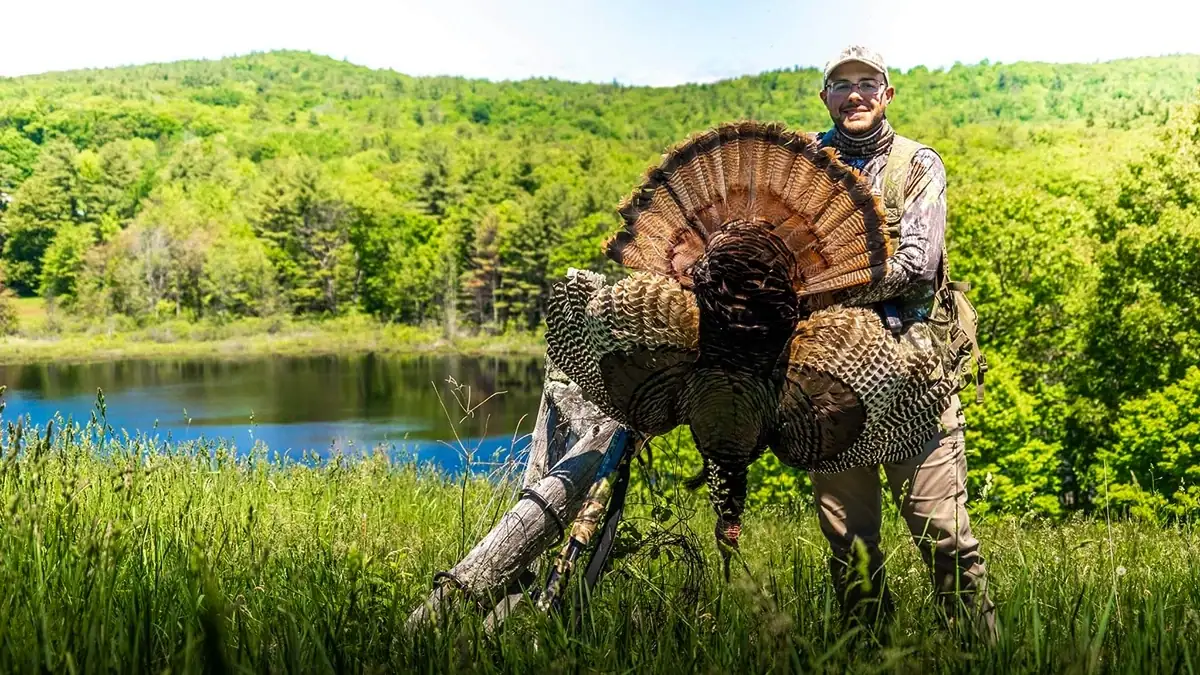
Let’s be honest, most anglers struggle with patience. They fish too fast, leave areas too early, or constantly switch baits without committing. Hunting can truly fix that. Sitting motionless in a stand for hours builds a level of discipline that’s hard to hone anywhere else. You know your target buck is there, and you’ll know he will show at any moment. You learn to slow down, stay focused, and trust the process. That carries directly into fishing.
Instead of running and gunning all day, you start picking apart an area thoroughly. You’ll make more precise casts, work baits slower, and give spots time to develop. You know that trophy fish is there, it’s just figuring out where he’s hiding. That’s often the difference between a decent day and a great one.
Paying Attention to Wind and Weather
Hunters live and die by the wind. One wrong setup and your hunt is over before it starts. Fishing isn’t much different. A bad day of weather can turn what could have been a great trip into a dreary and unsuccessful one.
Wind positions bait, creates current, and activates fish — but it also affects boat control, casting angles, and presentation. A hunter-turned-angler naturally pays closer attention to wind direction and how it impacts the system as a whole. Not just for the day itself, but for different parts of the body of water you’re fishing. Wind dictates where you can and cannot fish or hunt. It can be your friend and enemy in both worlds, and closely watching what the wind does on an hourly basis can change your day’s entire outcome.
The same goes for weather. Hunters track cold fronts, pressure changes, and moon phases religiously. When you bring that awareness to fishing, you start proactively anticipating how fish will respond instead of reacting after the fact. Fish are driven by environmental parameters as much as animals are. It’s important to have good weather apps on your phone or computer to watch as systems come through. You’re no longer surprised by a tough bite; instead, you’ll understand why it’s happening.
Stealth and Approach
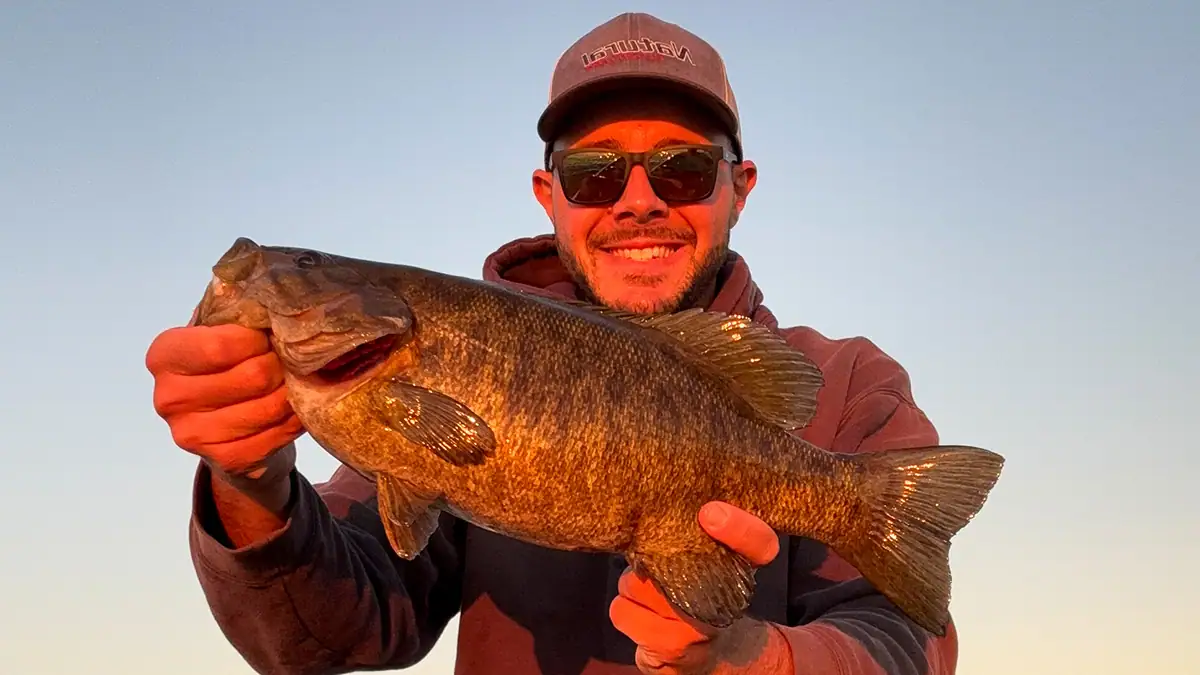
Ask any experienced hunter and they’ll tell you the same thing: You don’t beat animals by being loud and careless. Hunters chasing any game know that in order to get close for an ethical shot, you have to have the right approach and be stealthy enough to complete the task at hand. That lesson applies heavily to fishing, especially in shallow water but also in some deep water applications, too.
Boat positioning, trolling motor noise, banging around on the deck — it all matters more than people think. Hunting conditions you to move quietly, think ahead, and minimize your impact. That’s especially true with something like bow hunting, where you need to be close for an ethical shot, and you need to make as little noise and movement as possible to get that close. Fishing is no different.
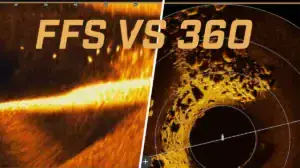
That translates into better approaches when fishing pressured water. You’ll keep your distance, make longer casts, and avoid spooking fish that less disciplined anglers push out of the area. I even go to extreme steps, like turning my forward-facing sonar in the other direction after locating a fish. Anything to be as quiet and stealthy as possible, which hunting will teach you to do both efficiently and effectively.
Gear Awareness and Efficiency
Hunters are meticulous about their gear. They organize it, maintain it, and understand exactly how it performs in real-life conditions. Whether it’s decoys, clothes, or treestands, having the right gear to fit you and the job you’re trying to accomplish in the woods is crucial. That same mindset also makes you more efficient on the water.
Instead of carrying a pile of rods and baits with no real system, you become more intentional. You select gear based on conditions for that time of year, instead of having the kitchen sink with you at all times. Maintaining your equipment and keeping things organized is critical to success.
Hunting also teaches you to operate in less-than-ideal conditions. Not every day you go out will be a beautiful day. Knowing how your gear works to the fullest in all conditions is something I’ve only learned through hunting. Just because you have it, doesn’t mean you’ll essentially need it for that given scenario.
Confidence in Tough Conditions
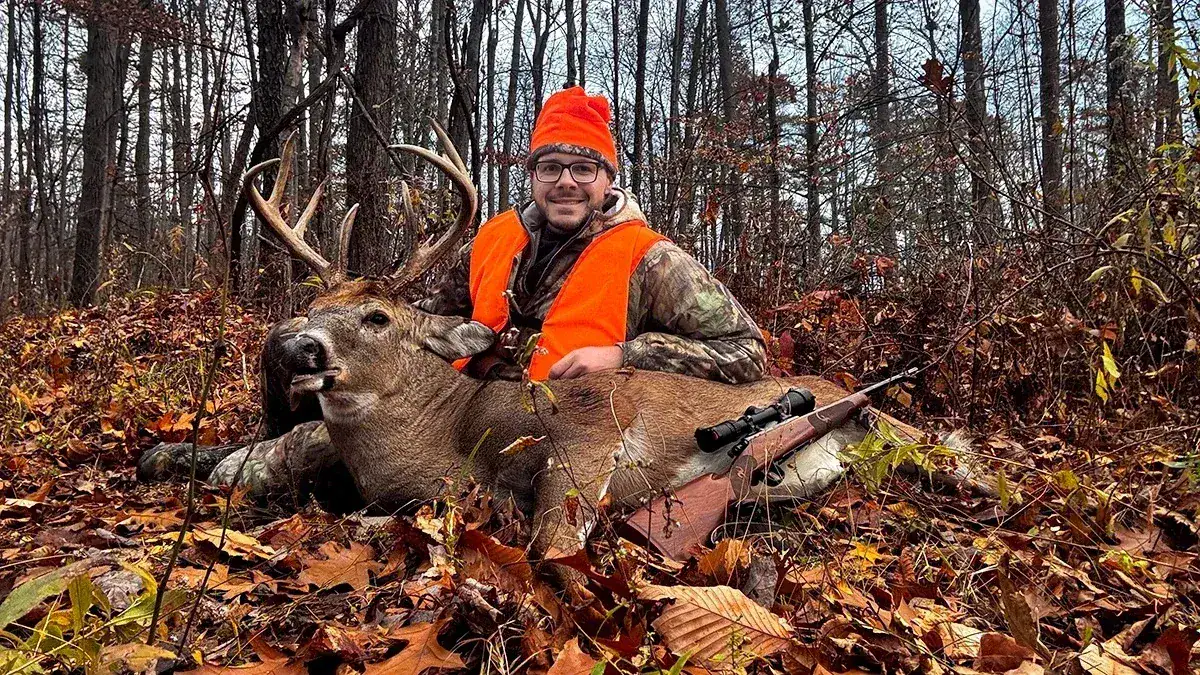
One of the biggest advantages hunting gives you is confidence when things get tough. There are times I’ve wanted to give up when out in the woods. But whether you’re getting outsmarted by a big buck, or a longbeard is playing the cat-and-mouse game right up until closing time, being confident in your setup and strategy will improve your outlook. The same goes for days on the water when the fish won’t cooperate.
Hunters are used to long stretches without action. They don’t panic when things are slow: They adjust and adapt. That mindset is critical in fishing, where conditions can change quickly and bites can disappear just as fast. Instead of getting frustrated, you start troubleshooting different ways to generate a strike. You slow down, change angles, switch depths, or refine your presentation. This way, you stay in the game longer — and more often than not, that’s when things turn around. Having a positive mental attitude, regardless of the sport, can change a bad day into a great one.
The Bigger Picture
At the end of the day, hunting and fishing are both about understanding the natural world. They force you to pay attention to details most people ignore. Both sports teach you to think critically, stay patient, and respect the process.
If you only fish, you can still become a great angler. But if you also hunt, you gain a deeper awareness that’s hard to develop any other way. Hunting gives you a different outlook on similar situations that translate well to being on the water. You’ll start seeing patterns faster. You make better decisions. And most importantly, you fish with intention instead of hope.
So when hunting season rolls around, don’t think of it as time away from fishing. Think of it as mental training — because when you get back on the water, you won’t just be another guy casting. You’ll be a well-rounded outdoorsman who understands the whole system.