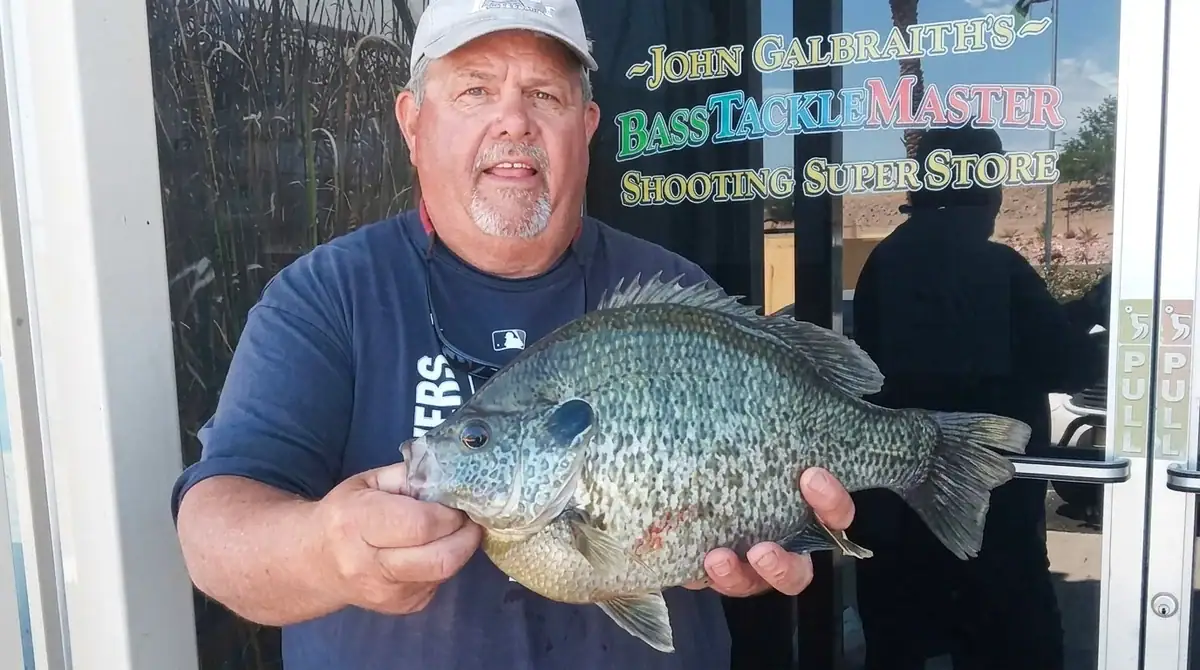
Tom Farchione dreamed big when he traveled to Arizona’s Lake Havasu in the spring of 2021.
But not this big. Who envisions catching a panfish that weighs 6.30 pounds?
No, that’s not a typo. We’re talking about a 6.30-pound, world-record redear sunfish — a legendary fish that put an exclamation point on Havasu’s amazing rise to national fame.
A Reputation for Records and Redear
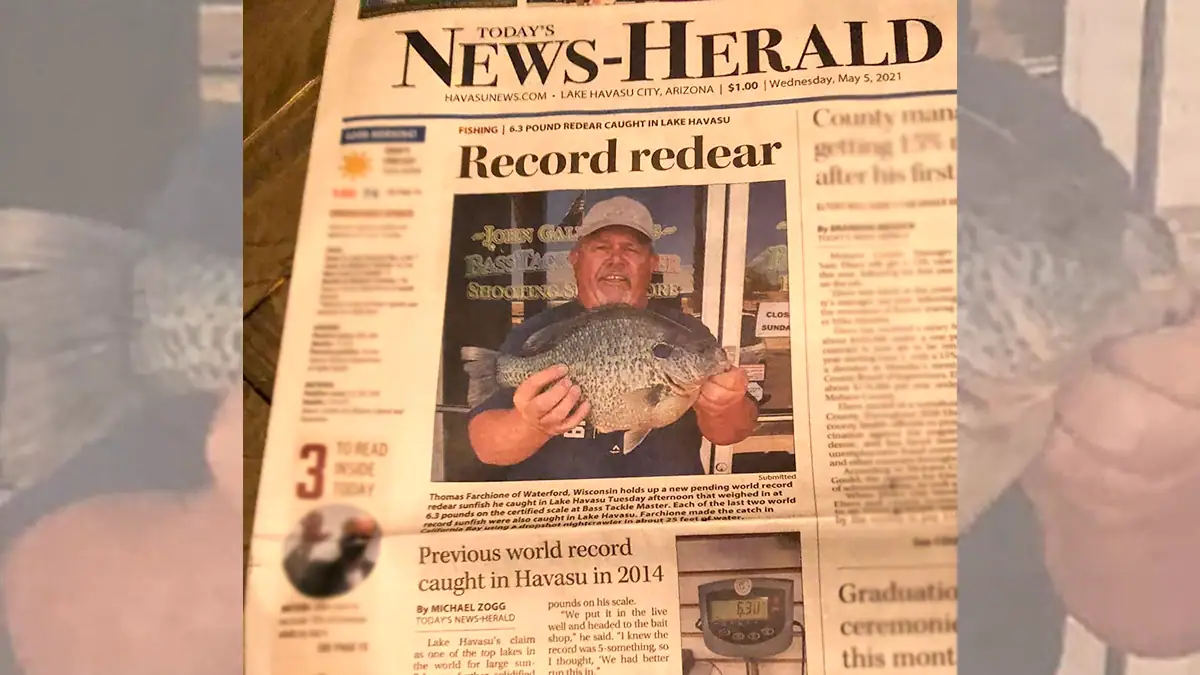
The 19,000-acre reservoir that straddles the Arizona-California line had produced the last two world records. And that’s exactly what lured Farchione and his buddy Gregg Gerstmeyer to the popular fishing spot.
But who was expecting a 6.30-pounder?
“When I set the hook, I knew I had a hefty fish,” Farchione told Wired2Fish. “The way it was fighting, I thought I might have been a big striper. Or a big bass.
“When that head came up, I just couldn’t believe it. Panfish aren’t supposed to get that big.”
That, in a nutshell, is why Havasu has become such a national sensation. The Western reservoir contains redear sunfish that are freakishly large. Size 3X large. It’s to the point that Havasu has become a national destination for fishermen who usually travel only for species such as bass, crappies, walleye, and trout.
“With all the publicity our redear have gotten, we get fishermen from all across the country to fish for them,” said John Galbraith, owner of the Bass Tackle Master shop in Lake Havasu City, Arizona. “It’s not a secret anymore. The word is out.”
Lake Havasu Stats
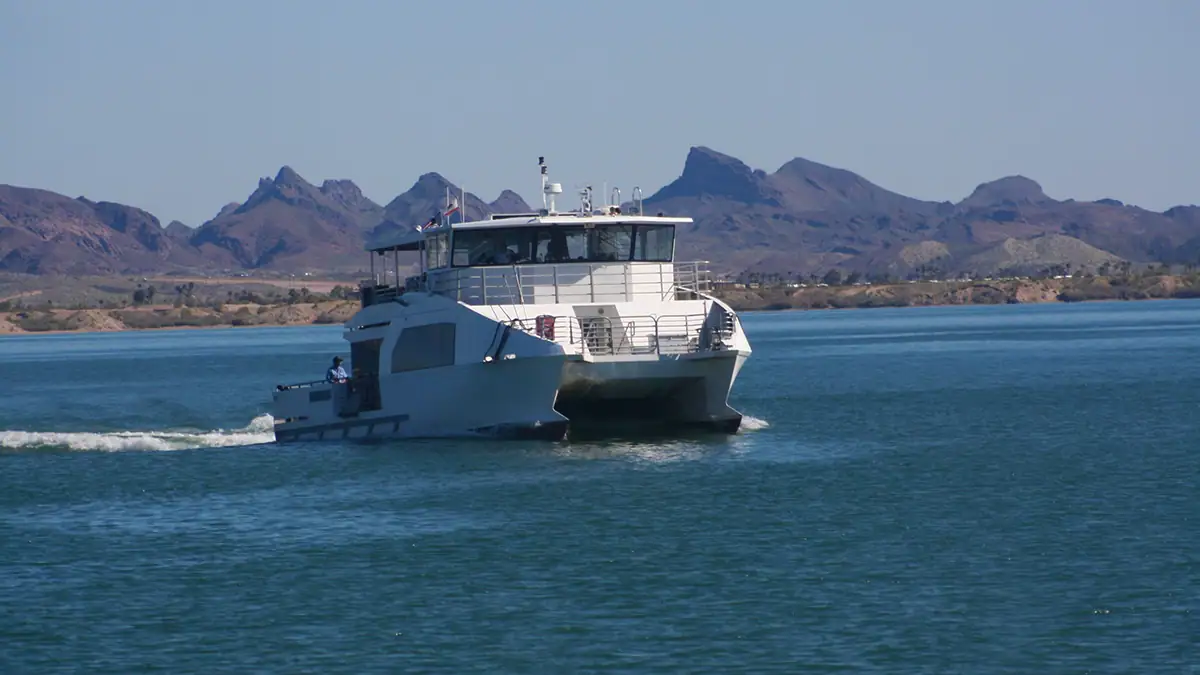
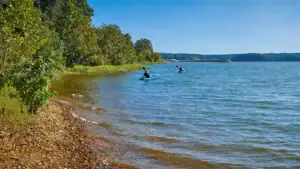
- What/Where: 19,300-acre reservoir on the Colorado River, straddling the Arizona-California state line. About 80% of the manmade lake lies in Arizona.
- Age: Built from 1934 to 1938 by the U.S. Bureau of Land Management, primarily for water storage.
- About that name: The land where the lake now sits was once inhabited by the Indigenous Mojave tribe. Havasu is the Mojave word for “blue.”
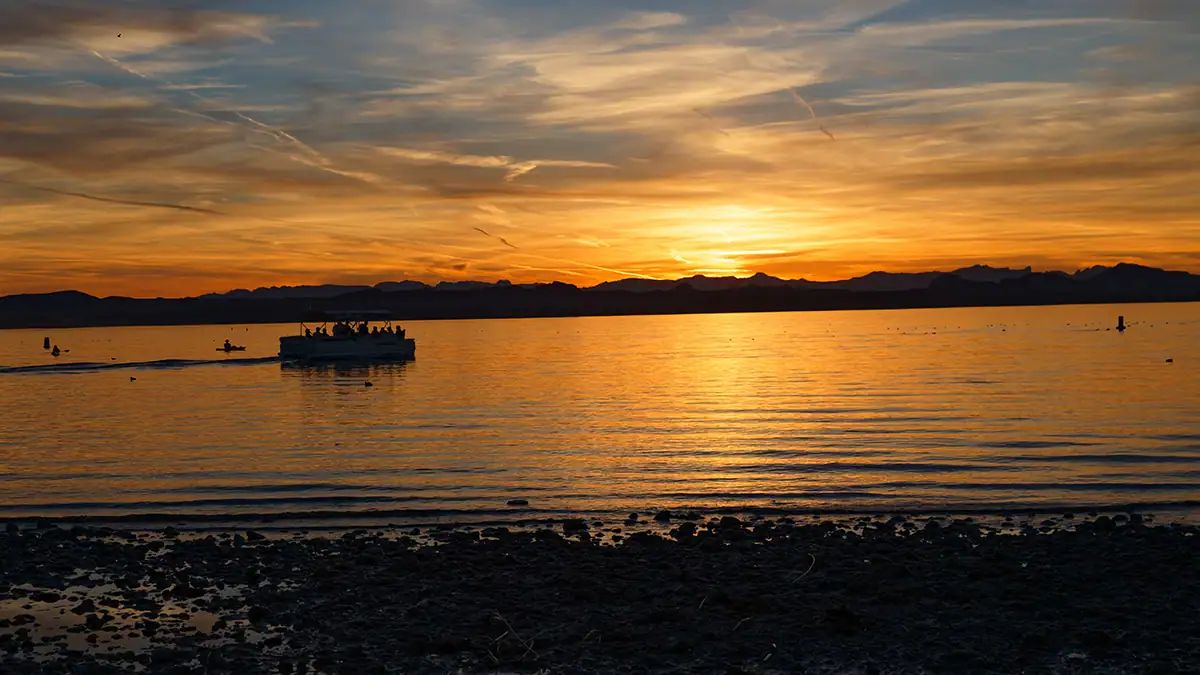
- Popularity: Lake Havasu is a playground lake, attracting 2.5 million visitors a year. Expect heavy boat traffic in the summer months.
- Boat ramps: Havasu has 17 public and private boat ramps. You can visit golakehavasu.com for more information about those locations.
- Lodging: The town of Lake Havasu City, Arizona, is a hub for lake activities, so you’ll have tons of options from camping to hotels to vacation rentals.
- Fishing: Known as one of the best fishing lakes in the western U.S. It has held multiple world records for redear sunfish. It also has excellent fishing for largemouth and smallmouth bass, striped bass, and catfish.
What Makes Havasu Special
Don’t believe everything you read about invasive species spelling doom for a body of water’s native species. If it weren’t for quagga mussels — a Eurasian species native to the Caspian Sea drainage — Lake Havasu’s redear population probably wouldn’t be as impressive as it is today.
The mussels made their way into the Great Lakes in the late 1980s and spread west by hitchhiking on improperly drained boats, according to fisheries biologist Rachel Wyrick of the Bureau of Land Management.
They were first identified in Lake Havasu and the lower Colorado River in 2007. As the population of quagga mussels exploded, it resulted in a forage boom for the redear.
“Redear sunfish, often called shellcrackers, have a natural food preference for small mollusks and have specialized structures in their throat to help them crush shells,” Wyrick said.
The forage boom quickly resulted in bigger fish. Before the mussels appeared, the average size of a redear in Havasu was about three pounds, Wyrick said. By 2011, the parade of world-record redear started. It began with a fish that weighed 5.55 pounds, caught by a bass fisherman on a seven-inch plastic worm. That record was broken in 2014 when an angler fishing for catfish brought in a 5.80-pound redear.
Farchione caught the latest record in 2021 on a drop shot rig with a nightcrawler. Will it stop there? No one knows for sure, not even fisheries biologists. The population of quagga mussels has declined since those early years. But there is still enough forage for redear to thrive.
When to Catch Havasu’s Redear

Galbraith has noticed a pattern in the procession of world-record fish. All were caught during the pre-spawn phase from February to early May.
Several factors played a part, Galbraith said. First, that’s when the females, laden with eggs, typically move shallow to feed in advance of the spawn. Second, it ‘s before the lake becomes choked with heavy vegetation. Third, the water temperatures are steadily rising and the fish are active.
But even then, there are no guarantees. Farchione has returned almost every spring since he caught his world-record fish, and he has experienced his share of disappointing days.
“You never catch a lot,” he said. “If you catch nine or 10 a day, you’ve had a good day. There are exceptions: One year, we went three days without a bite, then stumbled onto a big school and caught them like crazy. But most of the time, the big ones don’t school. They’re off to themselves.”
They can be caught in the spring because they are accessible. Fishermen don’t have to deal with the heavy vegetation that can choke the main lake and give the fish refuge.
“In the summer, the vegetation gets so thick that you can’t even target the redear,” Galbraith said. “They’ll bury themselves in that thick stuff and it’s almost impossible to present a bait to them.”
But before that vegetation grows tall, redear often will suspend over the top of the emergent vegetation, making drop-shot rigs the perfect choice for tactics.
“Because of the grass, you need to suspend your bait 12 to 15 inches off the bottom,” Galbraith said.
Other methods work, too. Some anglers like to use slip bobbers to fish for redear suspended over the weeds. Nightcrawlers and cut anchovies are the most popular baits. Shaky-head rigs, swimbaits and even topwater lures also work at times.
Where the Catches Happen

Galbraith also has noticed a pattern as to where the world-record redear were caught.
“All the world records were caught within two to three miles of each other,” he said. “They were caught on either side of the main island. That area has huge cottonwood forests that were flooded when the lake was built. The redear like to roam out there and move in for the spawn.”
But Wyrick pointed out that large redear are present throughout the lake, not just in one isolated area.
Other Species
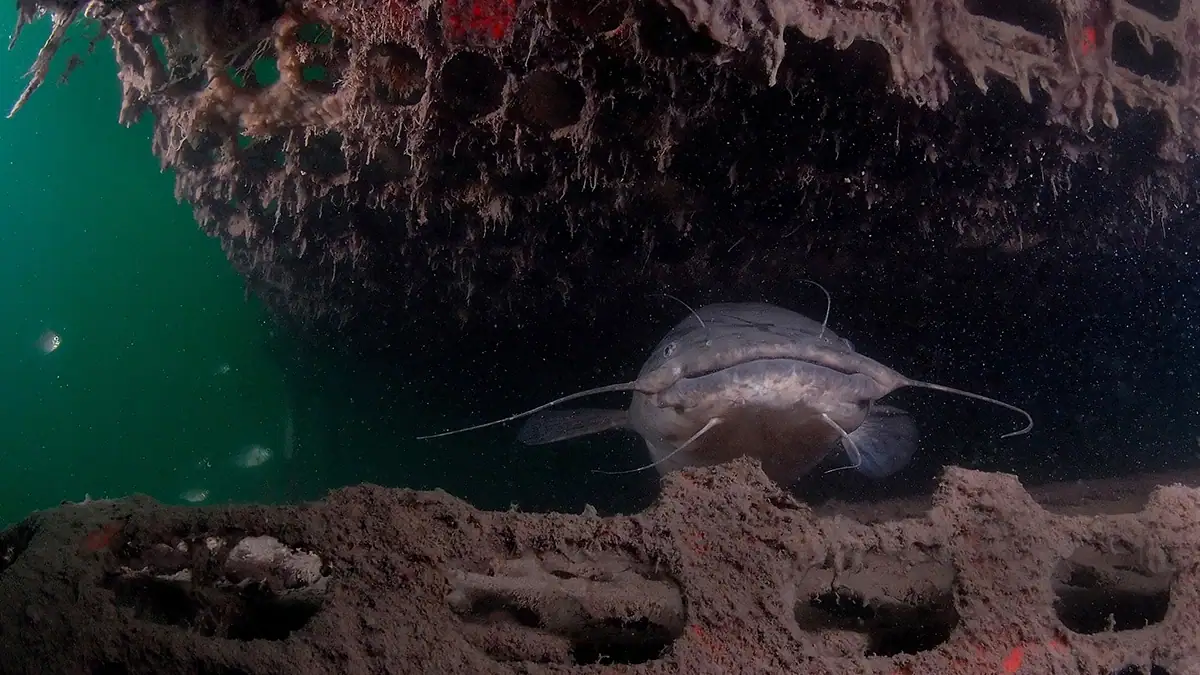
Havasu has impressive populations of other species as well.
- Largemouth bass: Havasu is recognized as one of the best bass lakes in the West. Pro fishing legend Dean Rojas popularized the use of topwater frogs by catching trophy bass in Havasu’s shallow tulles and aquatic vegetation. A variety of other baits such as plastic worms, buzzbaits, topwater lures and Senkos also are deadly.
- Stripers: Havasu has a naturally reproducing population of striped bass. Anglers anticipate the “boil” season in mid to late summer — a period when stripers boil the surface as they feed on baitfish. Pencil Poppers, Vixens, Zara Spooks and other topwater baits are popular baits.
- Smallmouth bass: Havasu has a growing population of smallmouth. Look for rocky points and ledges and use baits such as topwater, Hula Grubs, or small jig and pig combinations.