The average baitcaster today is light years ahead of what our predecessors used. But, even as capable as modern reels are, a select group is raising the bar even more.
Frontrunners in the U.S., Asia, and even Sweden are pressing forward to explore modern baitcasters’ new frontier. They’re not only adding mini-computers and other electronics to reels, but also employing physics to control spool speeds in completely new ways. Here’s more on some of those companies and what they’ve been up to.
Shimano DC Curado 150
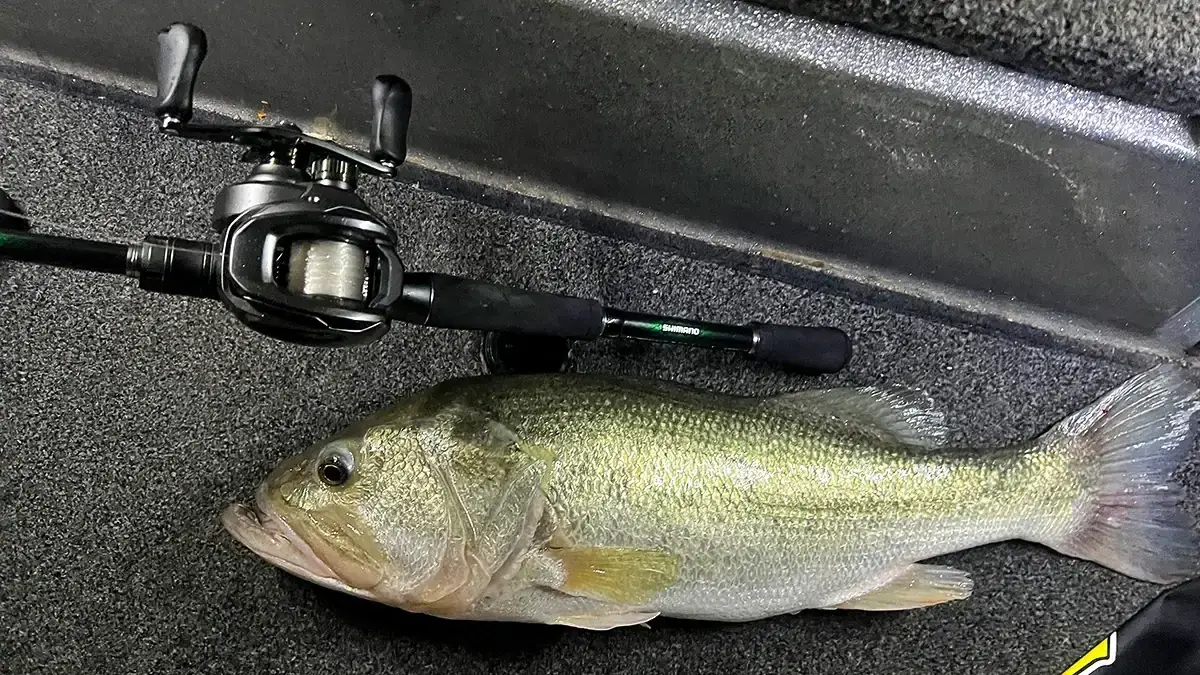
The Shimano DC (or Digital Control) line of reels came to market more than two decades ago. Since then, both the process of adding a computer to the reel and the materials comprising these reels have constantly evolved. Shimano’s most recent invention, the DC Curado 150, sports the upgraded IDC4 digital control system. That system has four modes. Mode 1 is for maximum casting distance, Mode 2 is for braided lines, Mode 3 is for fluorocarbon, and Mode 4 is for beginners and skipping.
I’ve spent a little time testing this reel, and I like what I’m seeing. The DC braking system does take some getting used to. But once you dial it in, you can throw a bait a good way without worrying about the spool backlashing when the bait lands. This is what makes a DC reel so good for beginners. It removes guesswork at the end so you don’t have to know how to thumb a reel right away.
Abu Garcia VoltIQ
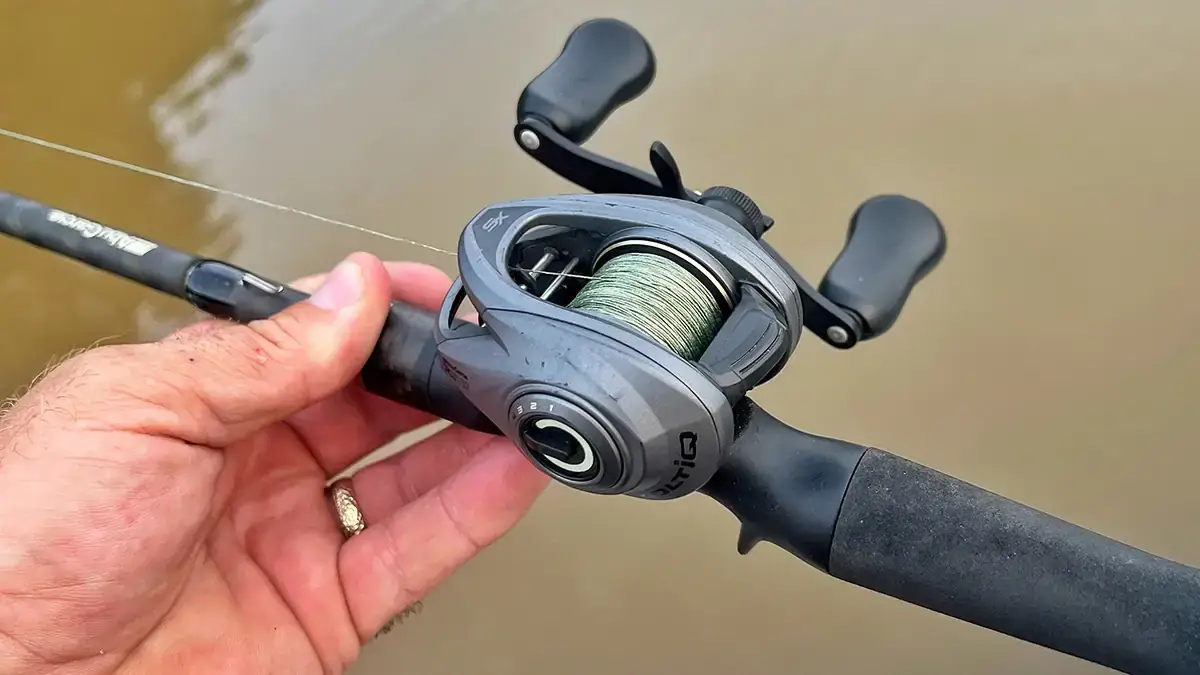
Abu Garcia’s VoltIQ launched this past spring and quickly gained industry acclaim. This reel uses electric brakes to adjust to the lessening tension on the line resulting from a bait slowing at the end of the cast.
The VoltIQ has 10 settings, but similar to the DC lineup, these settings are broken down into four groups. Settings 1-3 are called “Pro Mode,” intended for advanced anglers’ use. Settings 4-6 are ideal for the majority of anglers, providing maximum casting distance with maximum control. Then 7 through 9 are for either windy conditions or throwing large baits. Lastly, setting the brake to 10 prioritizes control over casting distance. That makes it easy for beginners to get comfortable with a baitcaster without backlashing.
I’ve been fishing with the VoltIQ for a few months now and really like it. This reel is built around the Revo framework, so it feels super familiar. But when you load up the rod and sling your bait, there’s no mistaking this one for a traditional reel. The shrill electric brakes scream. The braking performs as advertised: highly functional in the lower levels and nearly impossible to backlash when set on 10.
Svivlo
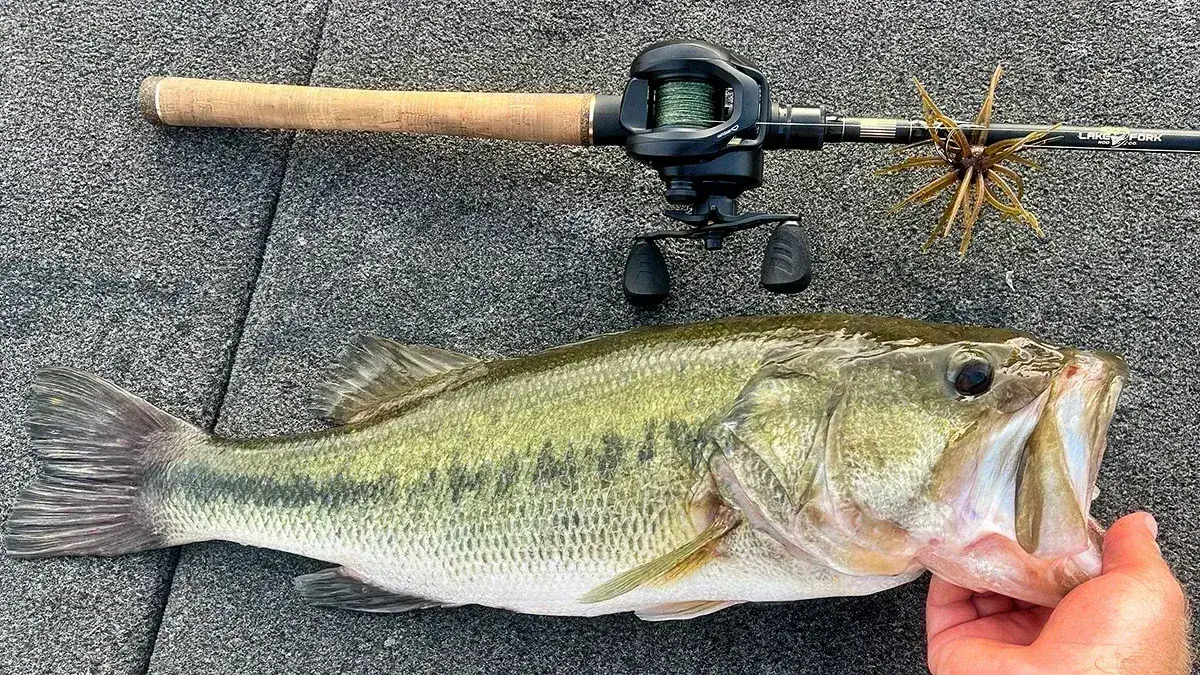
Swedish reel manufacturer Svivlo burst onto the scene at ICAST 2025. After dozens of videos popped up of media members, pros, and other anglers casting the Draken One and Genesis One reels, the consensus was clear. These reels were really hard to backlash.
That’s the result of Svivlo’s proprietary CastGuard design. It measures the lure pull throughout the cast to know exactly how much pressure to put on the spool so it brakes without backlashing. This means the reel adjusts automatically to both different wind conditions and different bait types. CastGuard does all of this without the use of any electronics or sensors, solely relying on Euler’s force, which keeps the brake arm sitting inside the spool until the lure pull starts to fade. Then, the brake engages automatically.
Svivlo shipped one of their Draken 1 reels to me from across the pond, and I found CastGuard as effective as advertised. To set this reel up, you put your thumb on the spool and then try to slide it left or right. If there’s any play in the reel, tighten the spool tension knob. Test for play again and repeat the process until the spool stops sliding side to side, but don’t just crank it all the way down. You want to land on the fine line where the play disappears. Once you set up the reel, you don’t have to adjust it again — unless you bump it in transit or the brake becomes dislocated.
I made some bomb casts with this one and completely took my thumb off the spool. Sure enough, the spool comes to a slow halt without the least bit of overrun. While I couldn’t throw quite as far this way as I could thumbing a free spooling reel, I can definitely see the benefit of this CastGuard for an angler early in their baitcaster journey.
Lew’s HyperMag ITB 150
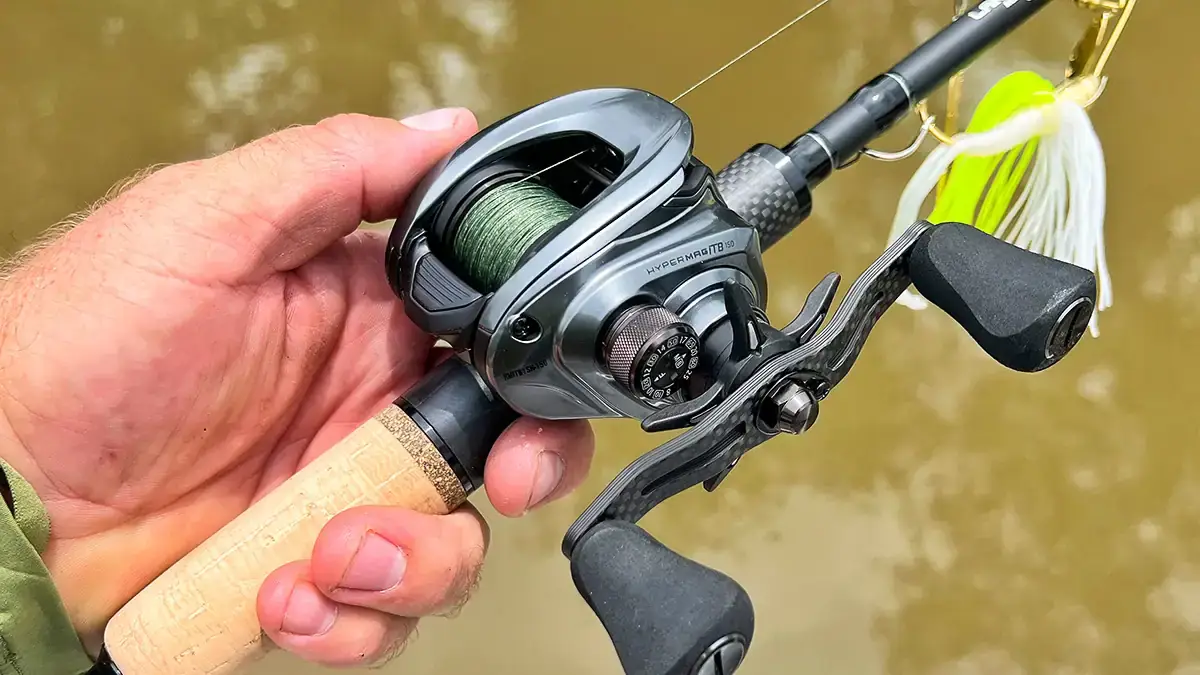
Lew’s introduced the ParaMag ITB (Intelligent Tension Braking) system in 2024 with the release of its Custom Pro baitcasting reel. Subsequently, it has released other reels with the ITB system, the latest being Lew’s HyperMag ITB 150.
This system doesn’t use brake shoes, effectively eliminating friction from the equation. Instead, the ITB system uses magnets. There’s a Turbo Disc Collar that moves out toward the magnets at the start of the cast to manage spool speed, and then retreats as the spool speed slows to reduce the amount of magnetic braking. No electronics in this one, and thus no loud shrill like in some other advanced braking systems.
I’ve had the pleasure of fishing with Lew’s HyperMag ITB, and it is sensational. The Custom Pro with the first iteration of the ITB is still one of the best reels I’ve ever fished with, and so is the original Lew’s HyperMag that came out a few years ago. The HyperMag ITB is the lovechild of these two reels, and it’s the perfect culmination of what’s great about each: a lightweight reel that’s extremely capable.
The ITB braking system is legit. But, for me, it’s the trimmings of this reel that set it apart: the Speed Knot system for quick line attachment to the spool; the Speed Dial on the spool tension knob, which you can adjust to indicate the size and type of line on the reel; and the Speed Keeper, a bait keeper that can flip out to store a bait or flip in for a snag-free finish.