Yellowstone National Park will temporarily close Buffalo Creek, a tributary of Slough Creek in the park’s northern reaches, from Aug. 31 through Sept. 6 while fisheries biologists treat the stream to remove invasive rainbow trout. The project will use rotenone, a piscicide or fish poison. Buffalo Creek is closed from the northern park boundary downstream to its confluence with Slough Creek. Park officials say the treatment will not affect the potability of water at Slough Creek Campground, and the creek is scheduled to reopen to the public Sept. 7.
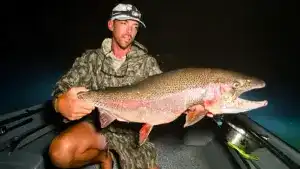
The project targets a population of rainbow trout (Oncorhynchus mykiss) that serves as a source of invasive fish moving into Slough Creek, Soda Butte Creek, and the Lamar River, where they compete and hybridize with native Yellowstone cutthroat trout (Oncorhynchus virginialis bouvieri). Removing the source population in Buffalo Creek is considered an important step in protecting the long-term persistence and genetic integrity of Yellowstone cutthroat in the Lamar River watershed.
Although Yellowstone cutthroat rarely occur in Buffalo Creek, biologists will electrofish the stream before treatment and relocate any native cutthroat they find outside the treatment area. The effort is part of Yellowstone’s broader native-fish conservation program, aimed at addressing the pressures that non-native fish, hybridization, and habitat degradation all place on the park’s native trout.
What Are Yellowstone Cutthroat Trout?
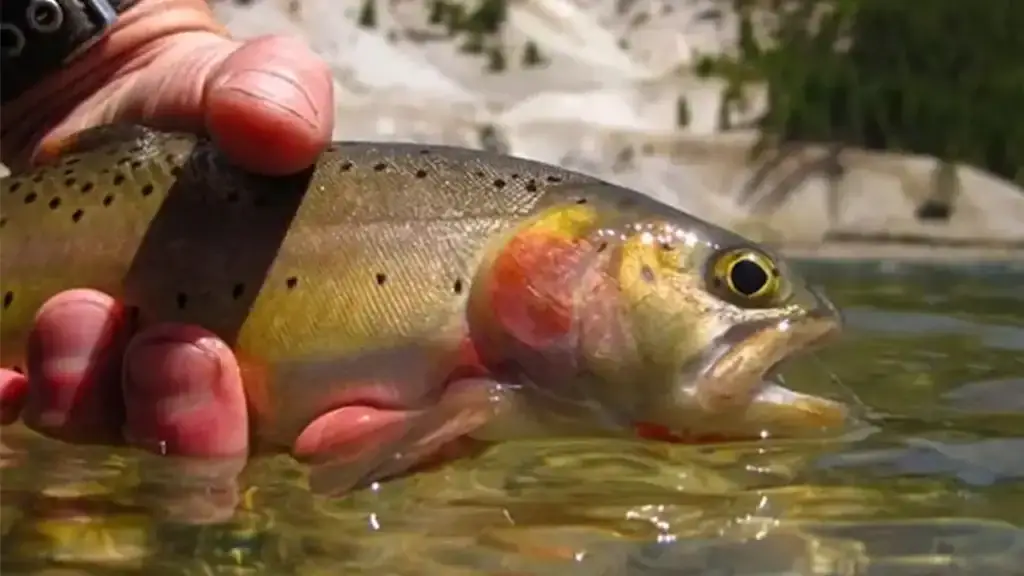
The Yellowstone cutthroat trout is one of the defining native fish of the northern Rocky Mountains, with a natural range centered on the Yellowstone River drainage and extending through parts of Wyoming, Montana, and Idaho. Shaped by cold, clear mountain streams, rivers, and lakes, these trout are well-adapted to the rugged waters of the Greater Yellowstone ecosystem. They typically spawn in the spring, moving into tributary streams as rising flows and warming water signal the start of the spawning season. Young trout spend their early lives in shallow, well-oxygenated water before dispersing into larger rivers and lakes as they grow.
For anglers, the Yellowstone cutthroat is especially prized for its willingness to take a fly and its connection to some of the West’s most spectacular wild places. Their diet shifts with the seasons, ranging from aquatic insects and other invertebrates to terrestrial insects, fish, and occasionally small animals. Historically, Yellowstone cutthroat occupied an extensive network of interconnected waters; introduced trout, habitat changes, and other pressures, however, have reduced or fragmented some native populations.
Today, protecting their cold-water habitat and maintaining genetically and ecologically important native populations are central to conservation efforts and help ensure that future generations can experience the thrill of catching this iconic Yellowstone trout in its native waters.
Rotenone: An Old Tool for Managing Fish
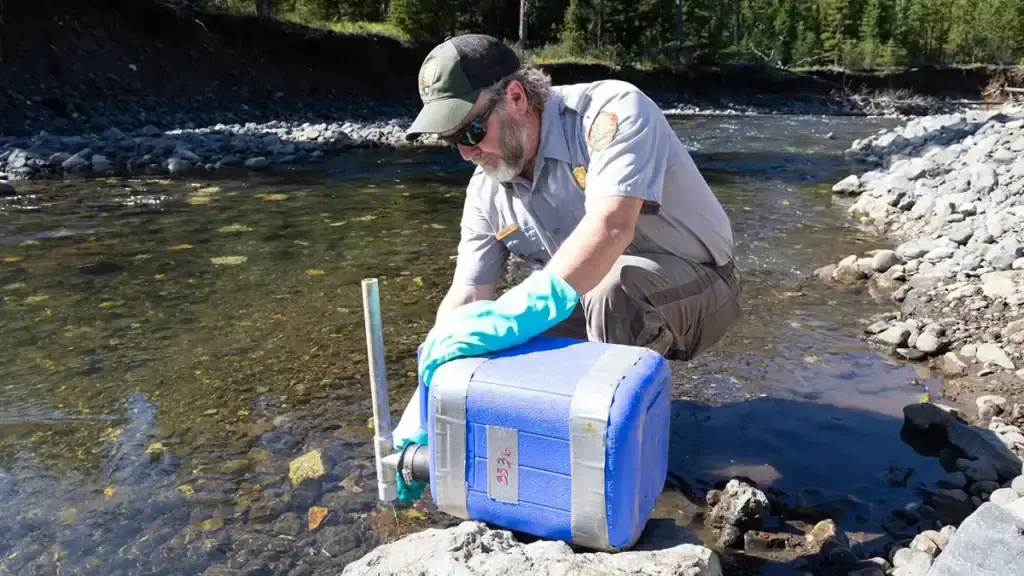
Rotenone is a naturally occurring chemical compound found in the roots of several tropical plants in the legume family. Long before it became a tool of modern fisheries management, Indigenous peoples in parts of South America and Southeast Asia used rotenone-containing plants to harvest fish for food. The plant material could be introduced into localized areas of water, temporarily stunning or killing fish — making them easier to collect. Rotenone later became a commercial insecticide. By the 1930s, fisheries managers in North America were using it as a piscicide, a chemical used specifically to remove fish from a body of water.
Today, fisheries biologists primarily use rotenone when they need to remove an entire fish population or eliminate unwanted, invasive, or non-native fish from a particular waterbody. Because it is absorbed through the gills and disrupts cellular respiration, rotenone is highly effective against fish at very low concentrations. Managers may use it to restore a lake or stream to a native fish community, prepare waters for a new fishery, eliminate illegally introduced species, or control fish populations for scientific studies. The Environmental Protection Agency (EPA) registers rotenone as a restricted-use pesticide for fish management, and applications are conducted under carefully prescribed conditions and product-label requirements.
A Necessary Evil?
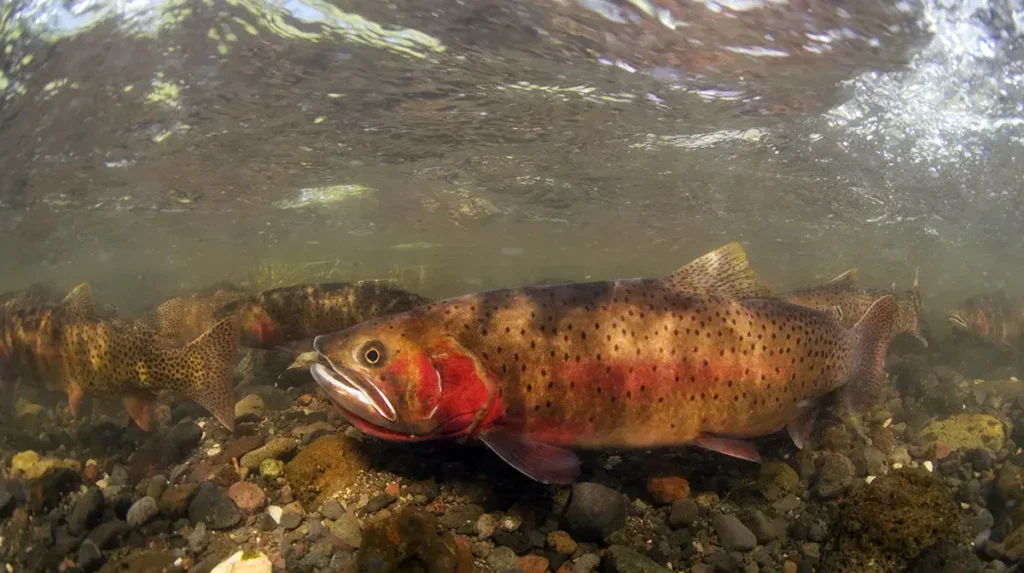
For native-trout restoration, rotenone can be particularly valuable because mechanical methods such as electrofishing, netting, trapping, and angling may not remove every unwanted fish. In some western streams, for example, managers have used rotenone to eliminate non-native trout before reintroducing native cutthroat trout. Yellowstone National Park has used it in several restoration projects to remove non-native fish from streams and lakes.
The technique is not without ecological tradeoffs: Rotenone is nonselective among gill-breathing organisms, and studies have documented short-term effects on aquatic invertebrates and amphibians. A 2026 USGS study of two Colorado alpine streams found substantial short-term effects on some invertebrate communities following treatment, with most measured community characteristics returning toward pretreatment conditions within one to two years.
For fisheries biologists, rotenone is therefore less a “poisoning” of a fishery than a carefully planned — and sometimes controversial — restoration tool used when the long-term goal is to rebuild a healthier native fish community.