Experienced anglers know that successful fishing often comes down to details. Lure profile, color, retrieve and location all matter, but there is another piece of the puzzle that can be easy to overlook: scent.
Fish experience the underwater world very differently than humans do. Rather than relying on a pleasant smell, they respond to chemical cues associated with feeding and their environment. That is the thinking behind BaitFuel, a fish attractant developed around the science of triggering predator response rather than simply creating a scent anglers find appealing.
Partner Content
The Science Behind the Scent
BaitFuel was developed in a laboratory with a different goal than traditional fish attractants. It’s F.A.S.T. — Fish Active Scent Technology — was engineered to stimulate a fish’s natural predatory instinct and encourage more bites and longer hold times. The company says its development involved more than 24 months of research, development and testing by fisheries biologists who also fish tournaments.
At the heart of that approach is the idea that fish respond to specific chemical cues associated with prey. BaitFuel’s formula incorporates amino-acid profiles derived from real forage species, giving the scent a biological connection to what predators are accustomed to feeding on.
Once BaitFuel enters the water, its water-based formula disperses readily, creating a scent cloud around the bait. Rather than simply making a lure smell different, the objective is to put feeding-related chemical cues into the water where a predator can detect them. BaitFuel describes this scent dispersion as a way to stimulate predator instinct, helping fish find the bait and remain engaged after they bite.
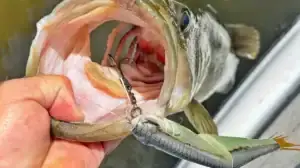
That last part can be particularly important. A fish that merely investigates a lure doesn’t necessarily become a landed fish. A longer hold can give an angler that extra moment to recognize a subtle bite, react and drive home the hook.
For anglers interested in seeing the science and testing behind the technology, BaitFuel offers an archive of educational videos covering topics including underwater scent dispersion and the development of FAST.
Now You Can Match the Hatch With Scent
The concept of “matching the hatch” is nothing new. Fly anglers have built entire approaches around imitating the insects fish are feeding on, while bass anglers routinely adjust lure size, profile and color to resemble the dominant forage.
BaitFuel is applying that same philosophy to scent.
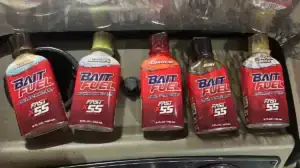
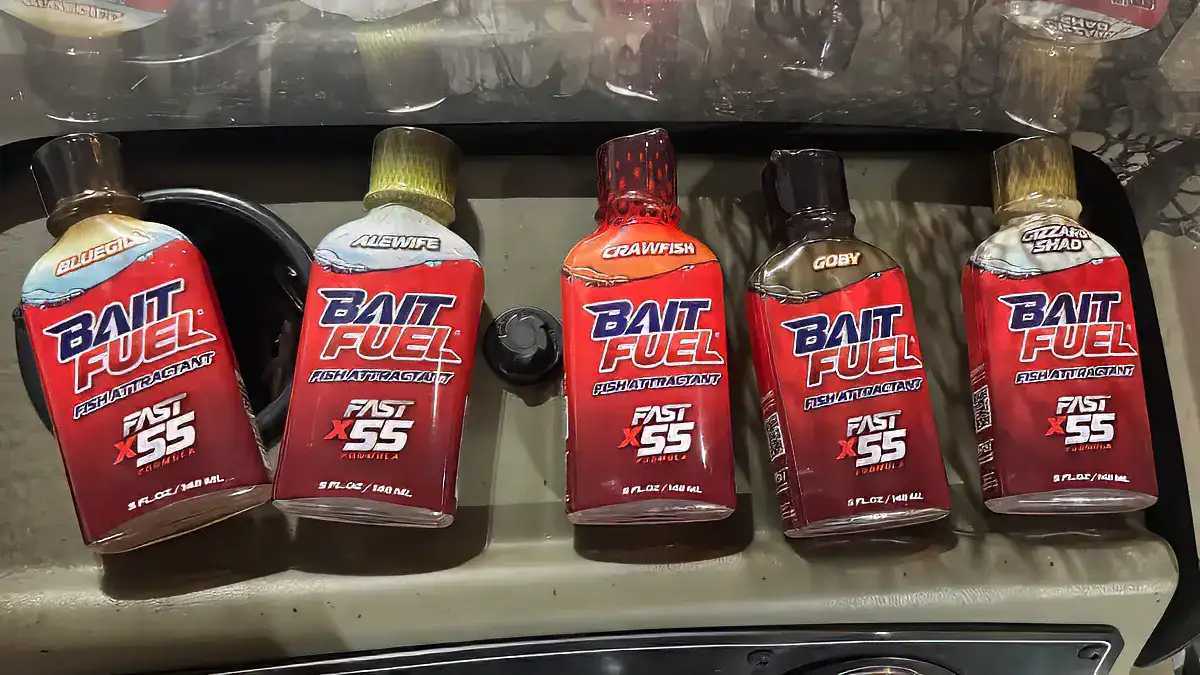
The new Forage Specific Gel Series expands the company’s scent technology into five forage-inspired options:
- Gizzard Shad
- Bluegill
- Crawfish
- Goby
- Alewife
The idea is straightforward: if you know what the fish are eating, why not make the scent component of your presentation relevant to that forage, too?
A shad-heavy reservoir can call for a different approach than a Great Lakes smallmouth fishery dominated by gobies. A lake full of bluegill offers another set of feeding cues, while crawfish can become a major seasonal food source as water temperatures and conditions change.
The new lineup gives anglers a way to make that decision deliberately instead of reaching for a generic attractant.
A Technology Already Trusted by Tournament Anglers
The forage-specific concept may be new, but the underlying technology has already earned time on the water with professional anglers.
BaitFuel has been represented by tournament competitors including Jacob Walker, Justin Hamner, Greg Vinson, Bryan Thrift and Patrick Walters. It has also been developed in conjunction with American Baitworks’ pro staff, including Thrift, Vinson, Hamner and Walters.
That’s an important distinction. BaitFuel wasn’t created simply as a product designed to sound scientific on a tackle-store shelf. The company has emphasized a development process that combines laboratory work with testing on the water.
Now, the same basic FAST approach that has been used by tournament anglers is available in forage-specific options designed to help anglers fine-tune their presentation to the fishery they’re fishing.
The Easiest Way to Add It to Your Game
Another advantage of gel is simplicity.
BaitFuel’s water-based formula is designed to be easy to apply, mess-free and relatively unobtrusive to anglers. Because it disperses in water rather than readily evaporating into the air, BaitFuel says anglers won’t encounter the overpowering odor associated with some traditional attractants. The gel is also clear and won’t stain hands or carpet.
The simplest application may be one anglers can do before they ever launch the boat.
Add BaitFuel directly to the package of soft plastics you plan to fish and let them marinate between trips. The result is a bag of baits that’s ready to go when you hit the water. BaitFuel specifically recommends marinating soft plastics before fishing to maximize the benefit of its FAST formula.
There’s no complicated preparation and no reason to stop fishing to continually reapply scent to every cast.
Which Forage Should You Choose?
The best starting point is the same question you’d ask when selecting a lure: What are the fish eating?
Gizzard Shad
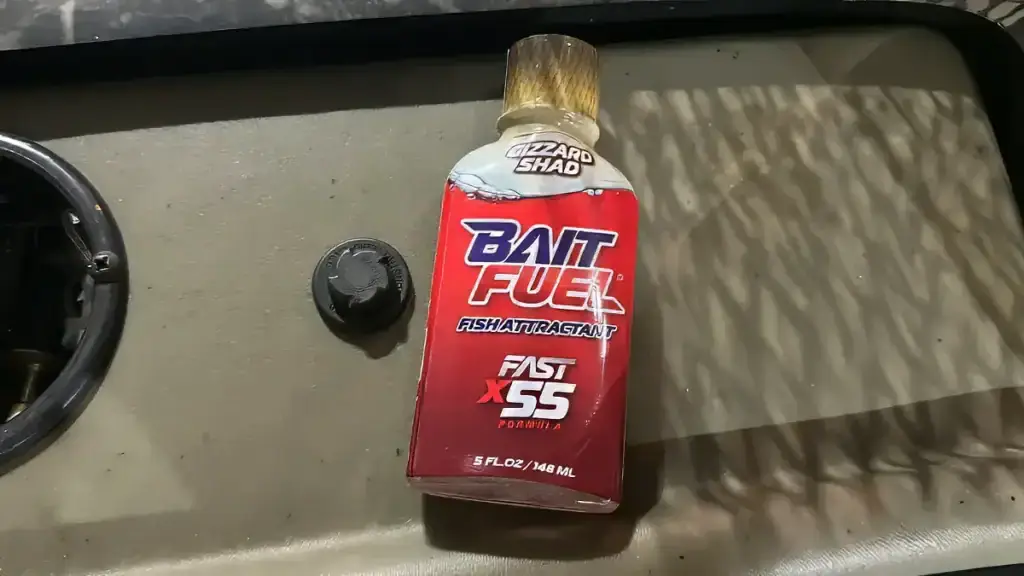
Gizzard shad are important forage in many bass reservoirs and can become especially relevant when predators are actively chasing baitfish. The Gizzard Shad gel is a natural choice when shad are abundant or bass are visibly feeding on baitfish.
Pair it with swimbaits, flukes, jerkbaits or other baitfish imitations when you’re trying to make the entire presentation reinforce a shad pattern.
Bluegill
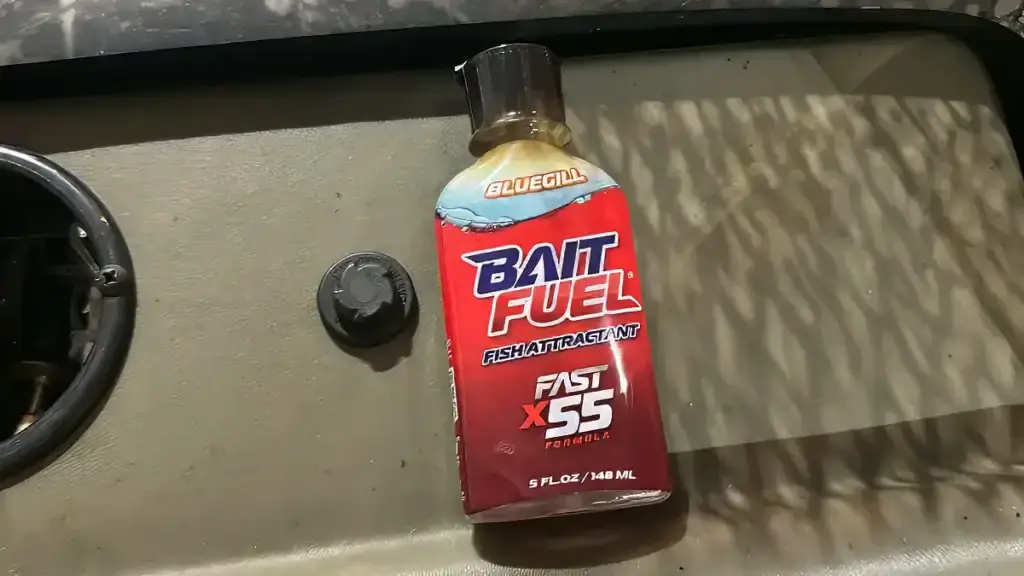
Bluegill and other sunfish are staples on many bass waters and provide a substantial meal for larger predators. The Bluegill gel makes sense when bass are relating to shallow cover, bluegill beds or areas where panfish are especially abundant.
It’s particularly interesting when you’re already throwing a bluegill-profiled creature bait, jig trailer or other substantial soft plastic.
Crawfish
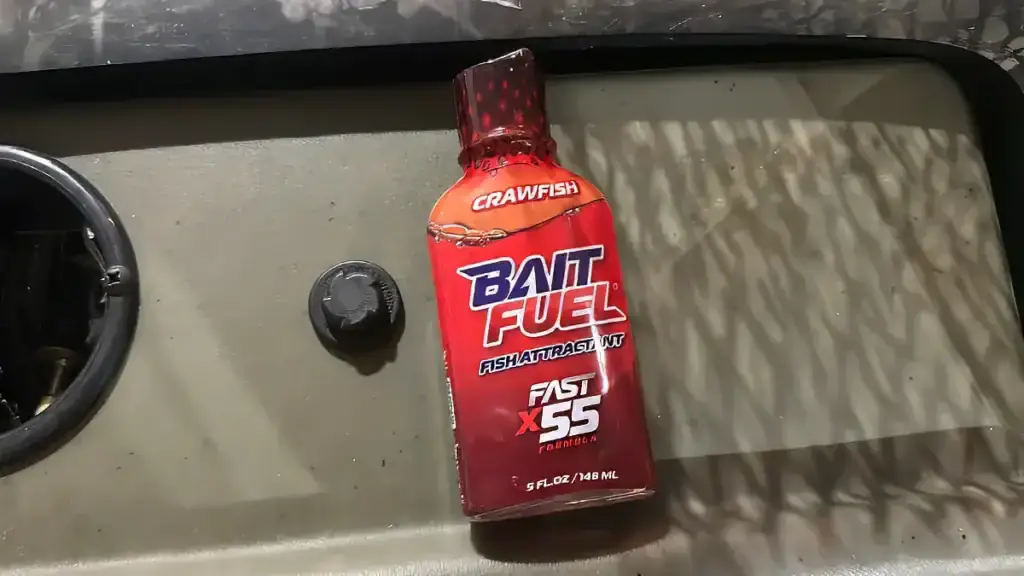
Crawfish can be a major part of a bass’s diet, particularly around rocky banks, hard-bottom areas and periods when crawfish activity increases. The Crawfish gel is an obvious complement to craw-style plastics, jigs and bottom-contact presentations.
When fish are feeding close to the bottom, adding a forage-specific scent can help reinforce the story your lure is already telling.
Goby
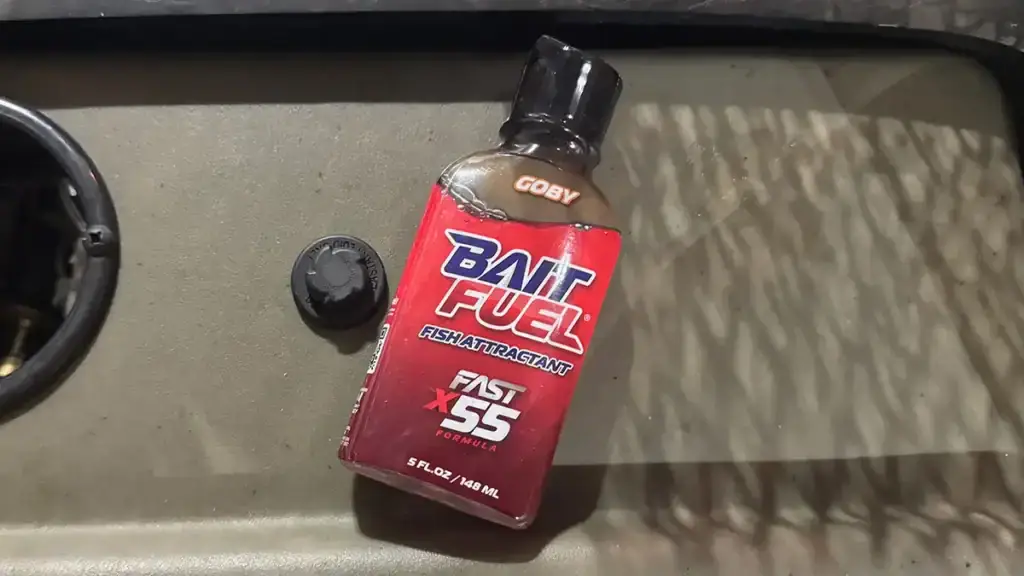
For anglers targeting smallmouth and other predators in goby-rich fisheries, the Goby option offers a way to extend the match-the-hatch concept into scent. Goby fisheries can produce some of the most forage-specific fishing situations in the country, particularly around rocky structure and deeper areas.
A goby-imitation soft plastic paired with a matching forage scent creates a presentation built around the same food source from profile to scent.
Alewife
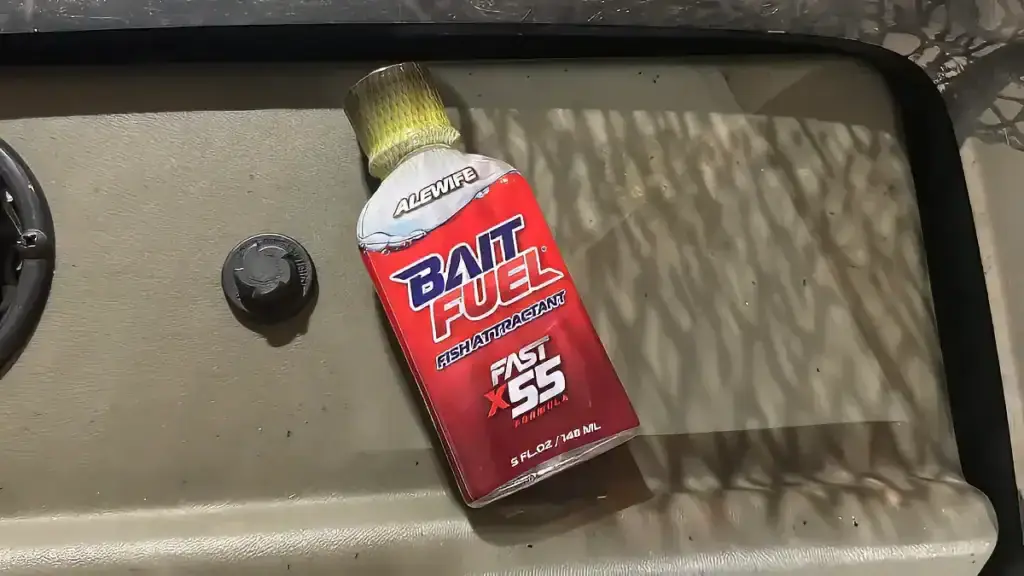
Alewife are an important forage species in several northern and Great Lakes fisheries. When predators are focused on alewife, the Alewife gel gives anglers another way to make a baitfish presentation more relevant to the local food chain.
As with any forage pattern, the goal isn’t to blindly choose a scent because it sounds good. It’s to observe what the fish are eating and make the lure presentation reflect those clues.
Match the Hatch — Then Add the Science
Scent has always been one of the more mysterious variables in fishing. Anglers have experimented with everything from garlic to coffee to anise, often choosing products based as much on what smells appealing to people as what might actually matter to a fish.
BaitFuel takes a different approach.
Its FAST technology was developed around fish behavior and chemical cues, and its water-based formula is designed to disperse in the water and create a scent cloud around the bait.
The new Forage-Specific Gel Series adds another layer to that concept: relevance.
Instead of choosing between a scientifically developed attractant and a forage-specific presentation, anglers can now combine the two. Gizzard shad, bluegill, crawfish, goby and alewife give fishermen the ability to make scent selection part of the same pattern-matching process they already use for lure profile, color and location.
That’s ultimately what matching the hatch is about. The closer every piece of the presentation fits the conditions beneath the surface, the more convincing the overall package can become.
And when a fish does commit, BaitFuel’s goal is simple: help turn that decision to feed into a bite the angler can detect, react to and land.
For anglers who want to learn more about the technology, application techniques and testing behind BaitFuel, explore the company’s educational video resources.