As soon as it hit, I knew it was a good one. But I tried to play it cool in case I managed to drop it, to save myself some embarrassment from my co-angler that day, Kazutomo Nakamura of Spro, and veteran guide Joe Fonzi, who had put us over some really productive bottom that day.
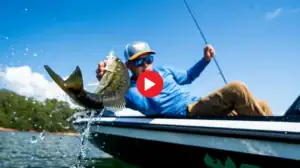
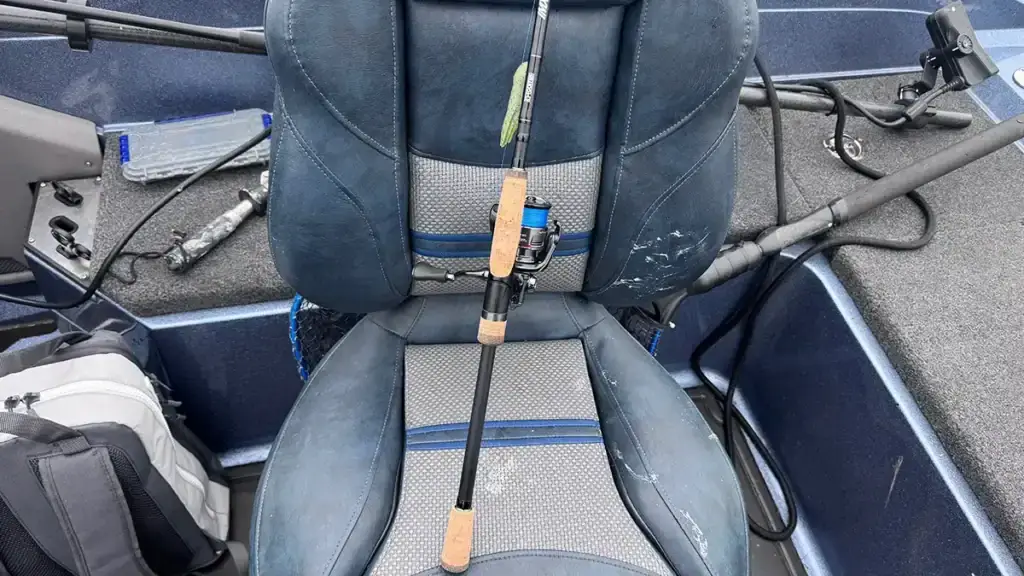
I reeled as nonchalantly as I could, gently moving her up through the 38 feet of water we were fishing in, but she was putting up some serious resistance. I leaned into her gently but firmly with the G. Loomis IMX Pro Bass Jig and Worm spinning rod that I had been tossing tubes with all morning, letting the rod do the work as she slowly climbed.
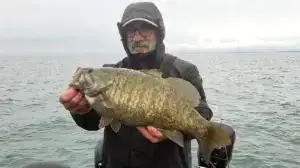
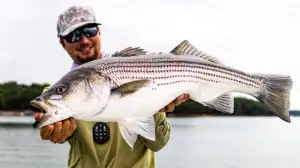
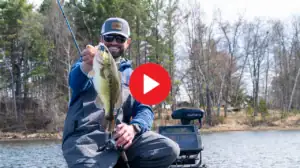
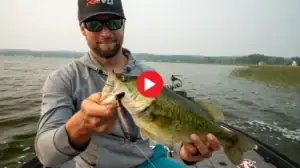
A few tense seconds later, we could see color, and got an idea of just how big she was. Fonzi grabbed the net, slipping it under her and pulling her aboard in one swift motion. Next stop was the scale: 6.4 pounds, making her my personal best smallmouth. We grabbed a few quick photos, and got her back in the drink as quickly as possible.
I would catch plenty of big smallies that day, including one that weighed 6.2 pounds, and many more over five. Nakamura also spent the day with his rod doubled over under the weight of hefty smallmouth. It was the kind of action you reflect on through the depths of winter.
Days like these are common for Capt. Fonzi of Thumbs Up Guide Service, who has been guiding full-time on the Big Pond for 26 years. But he’s been fishing Lake Erie for much longer. He’s a fixture here, and if you want to catch big smallies — or just about anything else — he’s your guy.
“I’m 64 years old. My dad bought me my first pair of hip boots when I was four years old,” Fonzi says. “I’ve been fishing ever since I could walk.”
Lake Erie: A Multi-Species Hotspot
For anglers, Lake Erie is synonymous with walleye. But spend a day on the water with a veteran guide like Fonzi, and it quickly becomes clear that the lake’s walleye reputation barely scratches the surface.
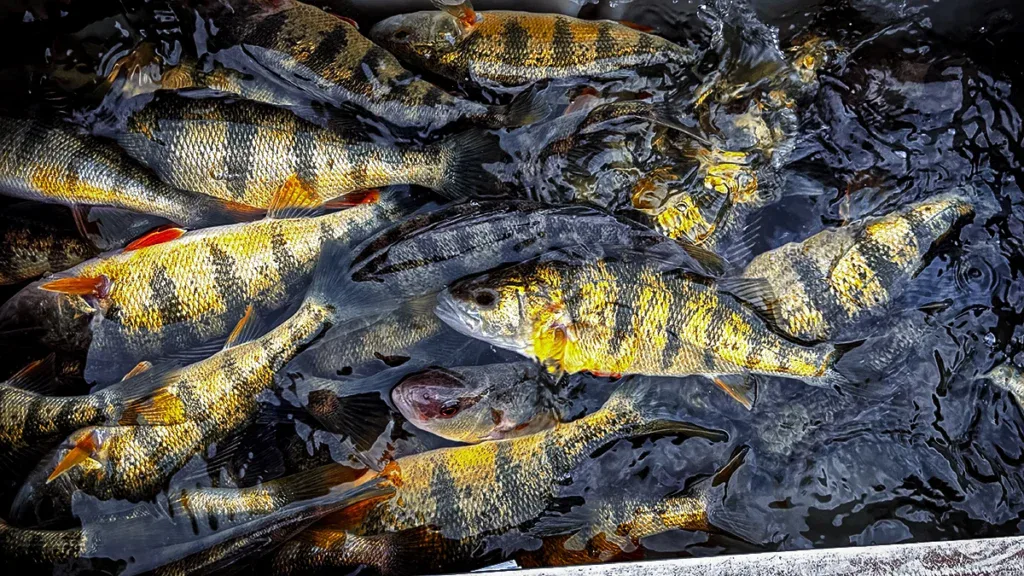
“Walleye, smallmouth bass, and perch — not necessarily in that order,” Fonzi says, rattling off Erie’s signature species. “For the locals, it’s walleye all the way. But for our out-of-town guests, it’s smallmouth, and everybody loves catching those jumbo perch that can get up to two and a half pounds.”
That diversity makes Lake Erie special. Depending on the season, anglers can chase trophy bass, limits of walleye, or some of the biggest yellow perch on the continent — all on the same body of water.
Jumbo Perch in Deep Water
While many anglers associate perch with shallow weeds and docks, Lake Erie’s fish have adapted to a different environment.
“We’re always fishing them in 48 to 58 feet of water,” he explains. “They’re always deep. We don’t have weed beds here, so they’ve adapted to spawning on the main-lake drop-offs.”
The prime windows come twice a year: April, then again in September and October, with October being the sweet spot. November can still produce, but the weather often becomes the limiting factor.
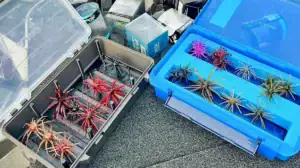
When it comes to presentations, simplicity wins. Blade baits excel during the cold-water periods of spring and fall, while emerald shiners fished on double drop-shot rigs account for plenty of fish throughout the season. The key, he says, is using the lightest sinker that conditions allow.
A Walleye Fishery Without Equal
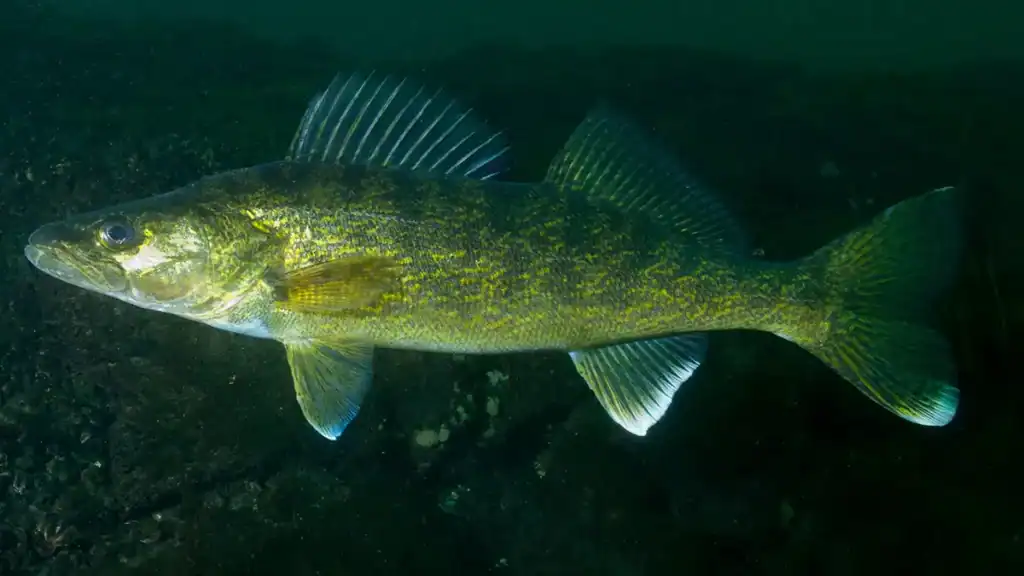
If perch are the opening act, walleye are the headliners.
“The lake is completely overrun,” he says with a laugh. “We’ve got about 90 million walleye in the lake right now.”
Whether that estimate is exact or simply a reflection of how healthy the fishery feels, one thing is undeniable: Anglers have options.
“You can catch them any way you see fit,” he says. “Fish shallow, bottom bounce, jig, troll with Dipsy Divers or planer boards.”
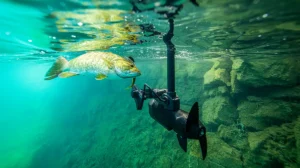
His current favorite approach is jigging suspended fish with the aid of forward-facing sonar, but traditional trolling techniques continue to produce year after year.
Timing matters, too. While fishing starts heating up in late June, the best action arrives after Independence Day.
“It normally takes until around July Fourth before we start seeing the migrants,” he says, referring to fish that move in from Michigan and Ohio waters. “Our population will triple during that time, so it makes it that much easier to find them.”
For him, the peak runs from mid-July through the end of August.
Trophy Smallmouths, All Summer Long
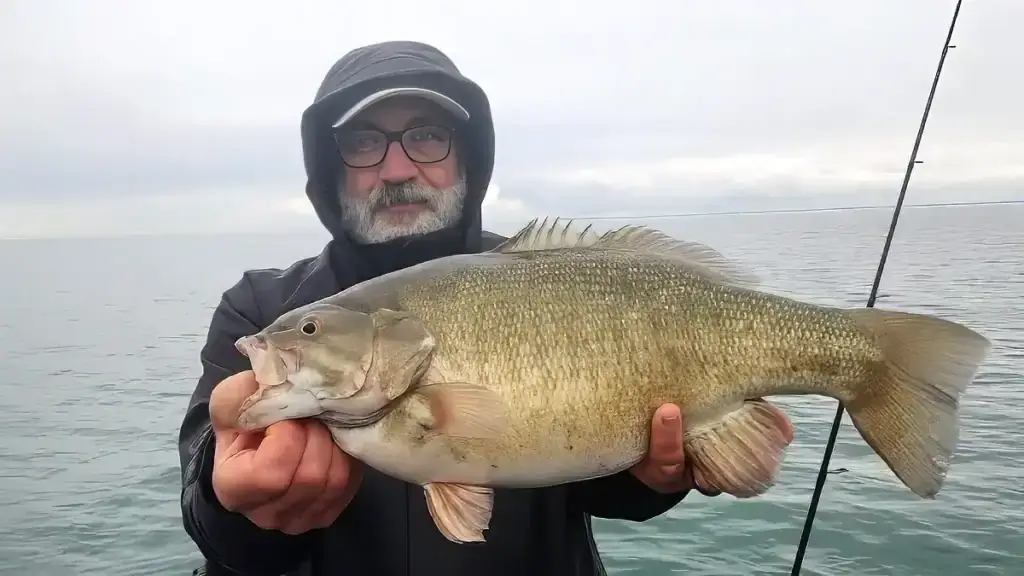
Many anglers target Lake Erie’s famous smallmouth bass during the spring spawn, but Fonzi believes summer deserves far more attention.
“May is great, and then again in October and November,” he says. “But you can catch big, big fish all summer.”
The fish simply move deeper.
“I like fishing them more in the summer because it’s a drop-shot game. It’s almost like a video game. Once you find the structure where they’re at, you’ll catch way more numbers.”
Forty-fish days are realistic when conditions line up, and those catches aren’t made up of small bass.
“You should have three fish over five pounds on an average day,” he says.
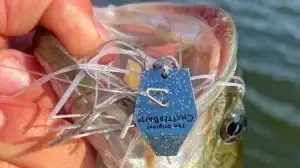
His lure selection reflects decades on the water. Tubes remain his confidence bait during the cold-water period, while blade baits produce in spring, fall, and even summer when worked over deep structure in 40 to 50 feet of water.
“My all-time favorite way to fish is drop-shot,” Fonzi says. “I’ve always been a fan of shad-shaped worms, Gulp!, and, of course, the flat worm everybody’s throwing.”
Then he adds a reminder that applies to any heavily pressured fishery.
“Sometimes you’ve got to get away from that flat worm because they’ve seen it 50 times a day.”
A Lifetime On Lake Erie
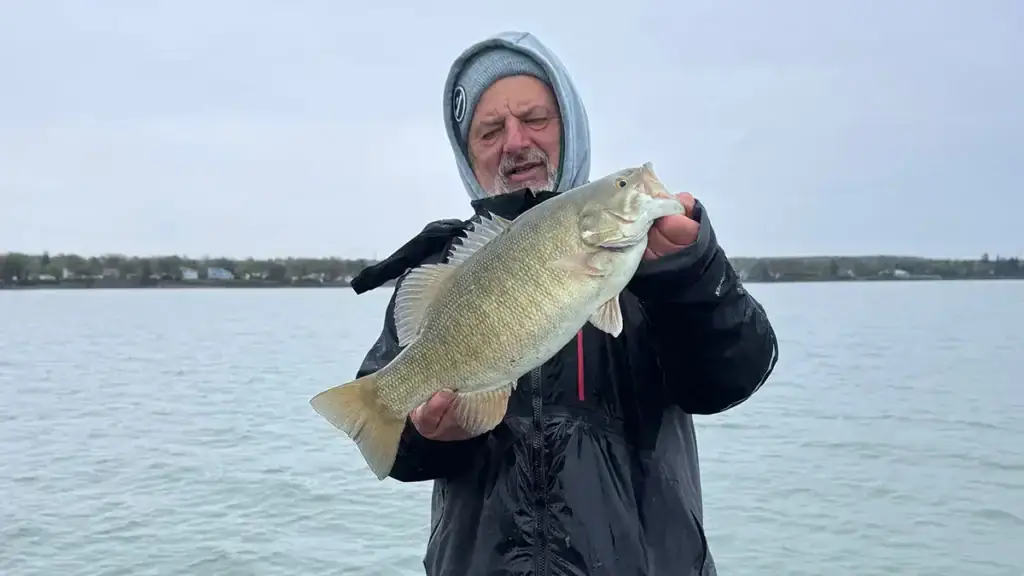
After thousands of days on the water, Fonzi’s enthusiasm hasn’t faded. And after seeing the numbers of fish Lake Erie continues to produce — from giant perch to world-class smallmouths and seemingly endless schools of walleye — it’s easy to understand why.
For anglers looking for one destination that truly offers it all, Lake Erie continues to make an exceptionally strong case.
Another advantage that Erie has is its proximity to the Niagara River, which offers exceptional fishing year-round. The mighty Niagara not only contains plenty of big smallmouth but also is packed with walleye, trout, salmon, and even muskie. Fishing varies by season and species, with smallmouths peaking from late spring through fall, walleye in summer, salmon and steelhead from fall through spring, and muskie in late fall.
Spro’s New Offerings: Following the FFS Trend, and Bringing JDM to the U.S.
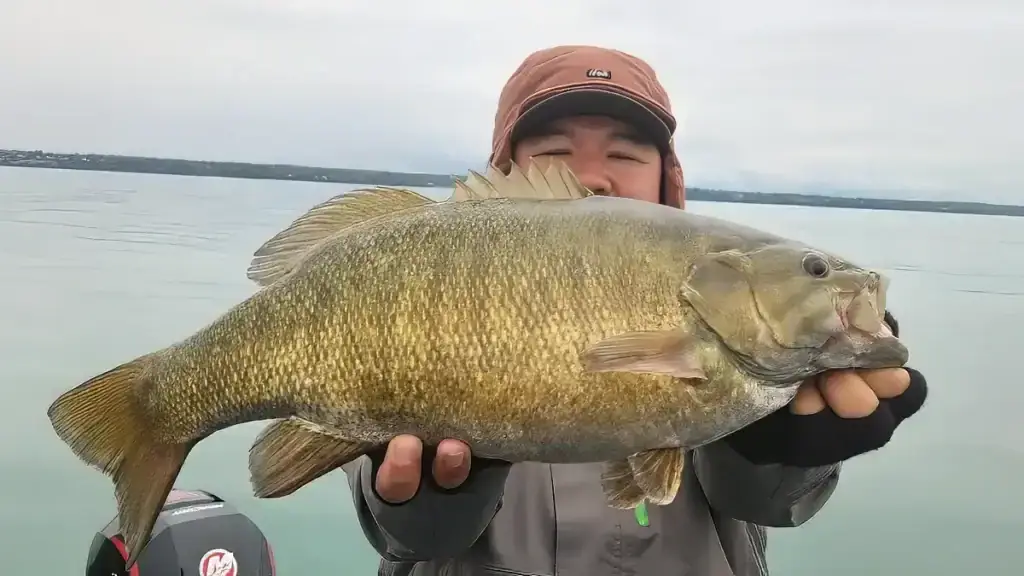
I got to pick Kazutomo “Katzou” Nakamura of Spro’s brain a bit as we fished that day. Hailing from Japan and spending plenty of time in the Netherlands as well as here in the States, Katzou has a wealth of experience across a wide variety of fisheries. It was really cool to learn how different species are pursued across the globe, and how different — and similar — they sometimes are.
Katzou may be a bass angler at heart, but his fishing interests extend well beyond largemouth. He counts spotted bass, smallmouth, redtail, amberjack, and tuna among his favorites, with Lake Toho as his preferred bass destination, and Key West and the Dubai area being his favorite spots for offshore jigging.
His favorite bass techniques are equally diverse. While he enjoys finesse fishing, he also likes frogs and other topwater presentations. That mirrors Spro’s current approach to tackle development, with the company continuing to support traditional techniques while expanding its lineup for the latest forward-facing-sonar-driven styles.
During his Lake Erie trip, Katzou also got a taste of what the fishery is famous for, catching a couple of smallmouth bass over five pounds and one that I think ticked the six-pound mark.
Following Forward-Facing Sonar
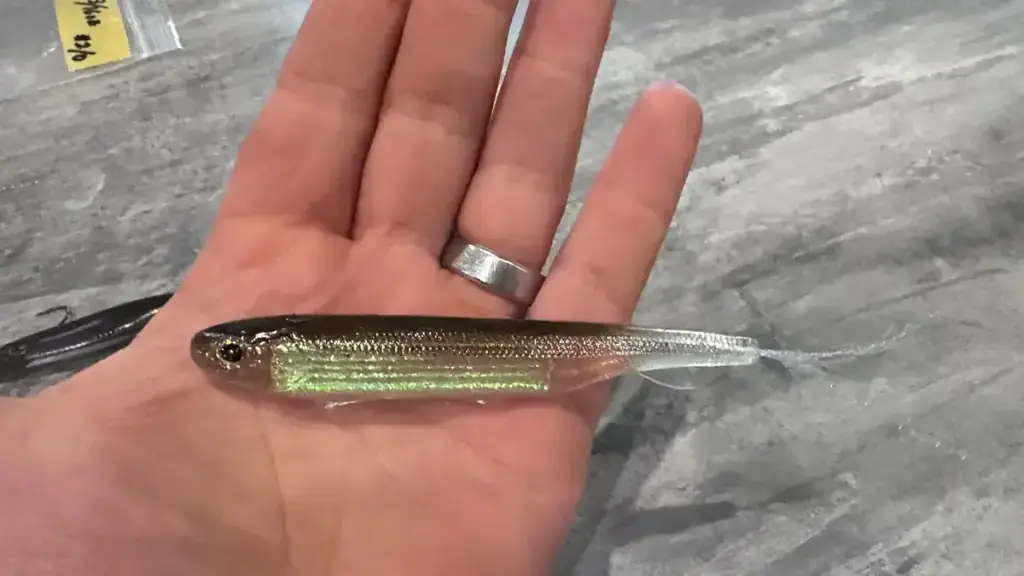
“Right now, the trend is forward-facing sonar,” Katzou says. Tournament anglers are increasingly focused on techniques such as mid-strolling and hover-strolling, and Spro is developing baits specifically for those applications.
At the same time, the company isn’t abandoning the proven products that built its reputation. Frogs, traditional hard baits, and other established offerings remain an important part of the lineup.
Spro’s RkCrawler 55 is currently its No. 1 hard bait, while the Little John series remains strong, particularly the Little John 50 MD. Jerkbait sales have softened somewhat as anglers turn to soft plastics for forward-facing sonar, but Spro continues to offer a mix of hard baits along with newer options such as its drop bait.
New Soft Plastics and JDM Offerings
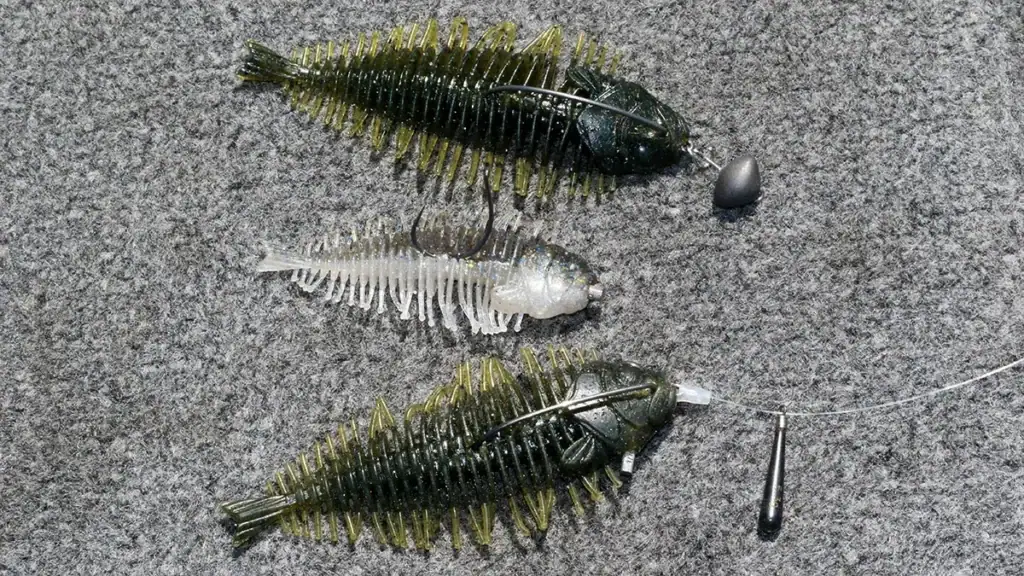
One of Spro’s biggest areas of growth is new mid-strolling-style soft plastics, which the company introduced at ICAST 2026.
Spro is also bringing more Japanese-developed products to the U.S., including offerings from D-Style and Engine. Both brands produce distinctive soft plastics that have already found success in Japan. D-Style’s Geelacanth, for example, was recently put to work successfully by Bryan New.
Engine takes a different approach to soft-plastic construction, using a material other than traditional PVC. According to Katzou, the result is excellent action and durability, allowing anglers to catch multiple fish on a single bait.
Wacky Snack and Surface Swimmer
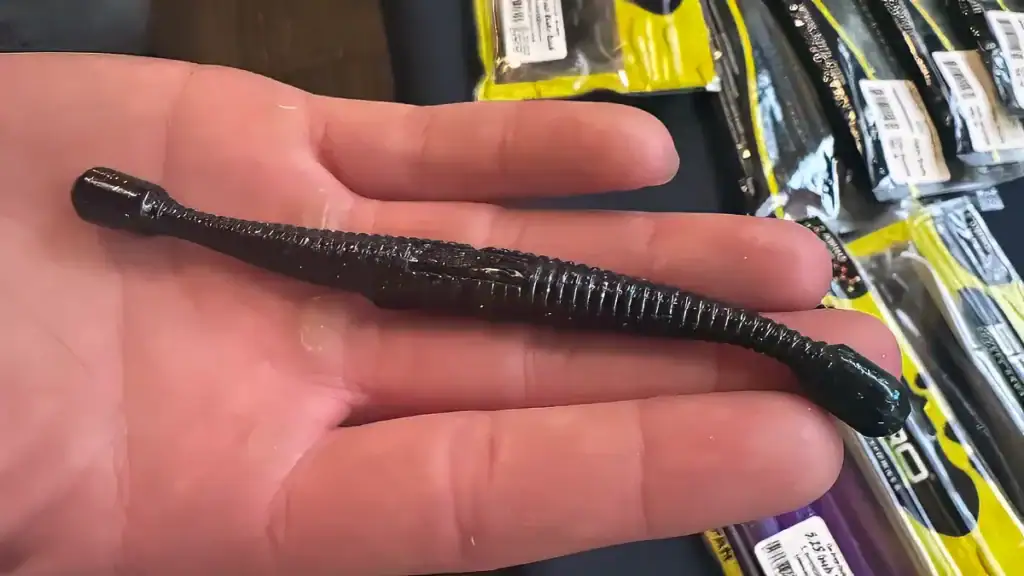
Spro is also expanding its lineup with purpose-built soft plastics such as the Wacky Snack. Designed by Spro’s pro staff for wacky and Neko rigs, the bait is also intended for sight fishing during the spawn. Its heavy salt content and built-in scent give it additional appeal, while the soft material produces plenty of action. It can also be fished on a shaky head or drop shot.
The Surface Swimmer offers another highly versatile option. Also designed by Spro’s pro staff, the bait can be fished weightless or modified by trimming the head to alter its action. Multiple rigging options give anglers plenty of ways to adapt it to different situations.
Katzou says Spro isn’t choosing between old-school bass fishing and the latest trends. The company is expanding in both directions, maintaining proven hard baits and topwater offerings while developing new soft plastics and bringing distinctive JDM designs to American anglers.