Last year, public access to Burt Dam, a popular stretch of Eighteen Mile Creek in New York, was challenged when a “No Trespassing” sign appeared along the trail to the waterway used by anglers. The signs called into question access to one of the stream’s most popular sections.
The Town of Newfane announced Aug. 14 that public access to the fishing grounds below Burt Dam has been protected through a permanent public access easement recorded with the Niagara County Clerk’s Office. The agreement ensures the existing pathway along the east side of Eighteen Mile Creek will remain open to the public.
The announcement ended the dispute casting uncertainty over the popular fishing destination during the 2025 season, and opened the door for anglers through the 2026 fall run and beyond.
A Fishing Destination Thrown Into Question
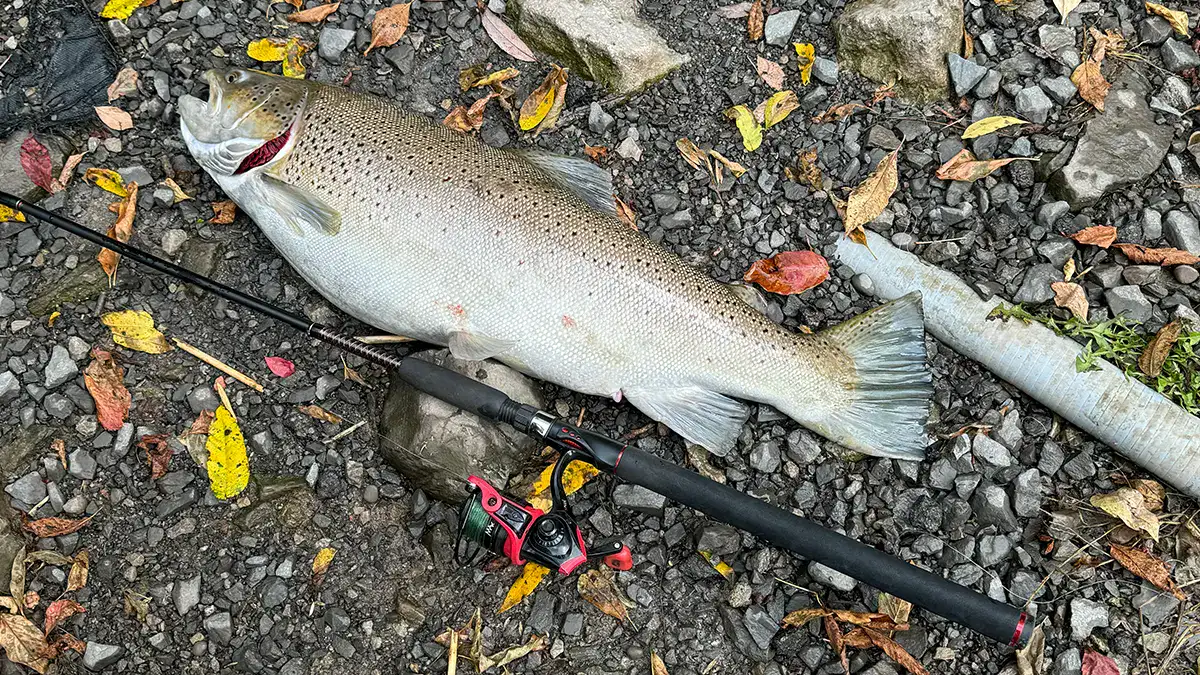
Burt Dam, located on Eighteen Mile Creek near Olcott, has long attracted anglers chasing Lake Ontario salmon, steelhead, and brown trout. Chinook salmon move into the creek during the fall, followed by the steelhead and lake-run browns that can provide fishing opportunities well into winter and spring.
But in 2025, anglers arriving at the dam found themselves caught in a dispute over the land surrounding the access trail.
The controversy began after “No Trespassing” signs popped up along a portion of the pathway that anglers use traveling toward the dam. The situation quickly grew beyond a disagreement over signs and property lines. Questions arose about not only the Town of Newfane’s longstanding management of access — including fees and its ATV shuttle service — but also who actually held the legal right to control the pathway.
At one point, the town explored legal options, including adverse possession and eminent domain, as possible ways to preserve access.
From Confrontation To Cooperation
According to the Town of Newfane’s latest announcement, the solution ultimately did not require a courtroom battle or taking private property.
The town reviewed property records and identified the record owner of the land where the disputed portion of the pathway runs. The town then worked directly with the owner to reach an agreement preserving public access.
The Newfane Town Board approved that agreement on July 22, 2026, and recorded it with the Niagara County Clerk’s Office Aug. 13. The permanent easement means the existing pathway to the Burt Dam fishing grounds will remain available to the public.
The result: a Permanent Public Access Easement Agreement covering the existing pathway on Eighteen Mile Creek’s east side. In other words, anglers can continue using the trail they have relied on for decades, and access is no longer dependent on an informal understanding or uncertain property-line dispute.
The town thanked the property owner for cooperating with the effort.
Good News For Anglers And The Local Economy
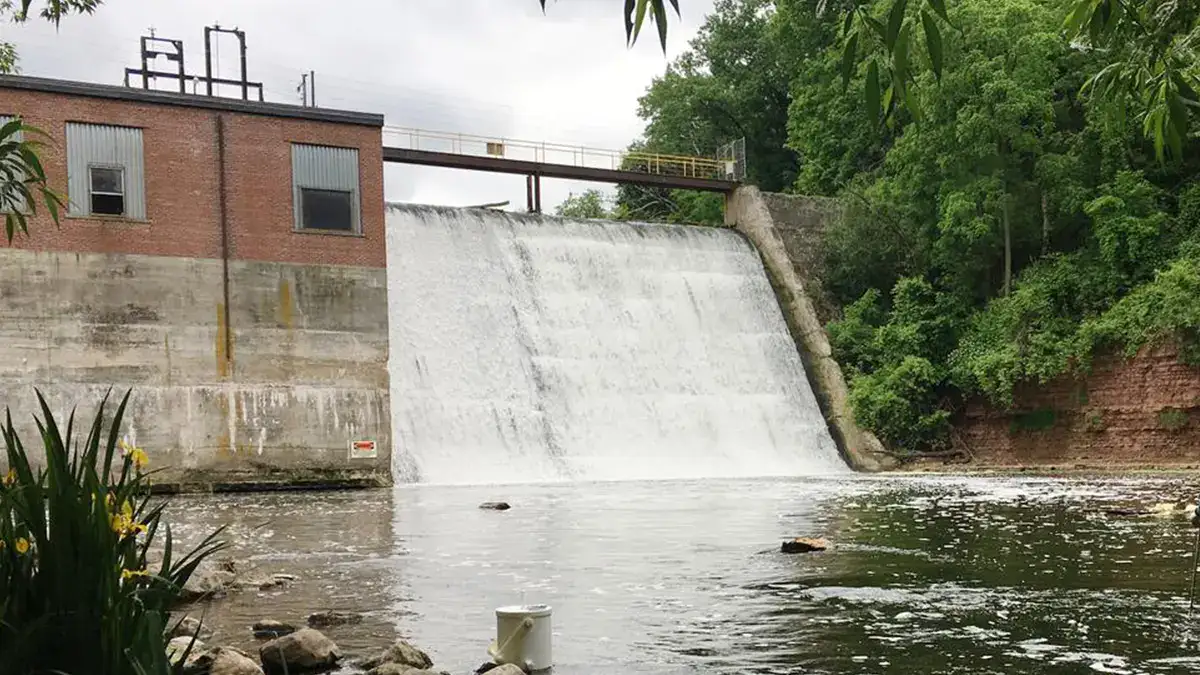
The Burt Dam fishery is a major draw during the fall salmon run and throughout the colder months, when steelhead and brown trout move through the system. Anglers travel from throughout Western New York and even much farther away to fish the creek.
Those anglers also spend money in the surrounding communities. Bait shops, tackle dealers, restaurants, gas stations, and other local businesses all benefit from the annual migration of fishermen chasing big Lake Ontario tributary fish.
The Town of Newfane acknowledged that economic impact in its announcement, noting that fishing activity supports businesses in Newfane, Burt, and Olcott.
And Now, Back To Fishing
Eighteen Mile Creek has plenty to argue about among anglers already: whether the fish are technically steelhead or lake-run rainbows, which fly or lure works best, and where the biggest brown trout are hiding.
With the access agreement now recorded, anglers can once again focus on fishing and not disputed over property lines.