Here’s the thing: Ice fishing isn’t for everyone. Some folks love drilling holes, setting up a shack, and staring at electronics in sub-freezing temps. Others? Not so much. Cold fingers, sketchy surfaces, and the thought of standing on ice for extended periods of time turns off a lot of anglers. And honestly, that’s fine.
After leaving the ice fishing game many moons ago, I’ve come to realize that your rods don’t have to collect dust in the winter. If you’re willing to think a little differently, winter offers some of the year’s most rewarding, underutilized fishing opportunities. The best part? There’s no auger required (and you can set the hook like a real man).
Open-Water Holdouts and Why That’s Okay
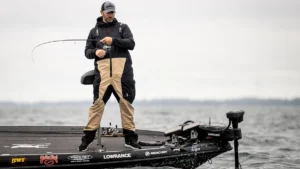
There’s a weird stigma in northern fishing culture that once ice forms, “real” anglers get on it. But winter open-water anglers are often fishing less pressure, more predictable fish, and calmer environments than any other season. Fish still need to eat. They still relate to structure, current, and forage. The only difference is the crowds are gone, and that’s a massive advantage.
If you don’t ice fish, winter becomes a season of specialization rather than shutdown. You just have to think outside the box a little, depending where you live.
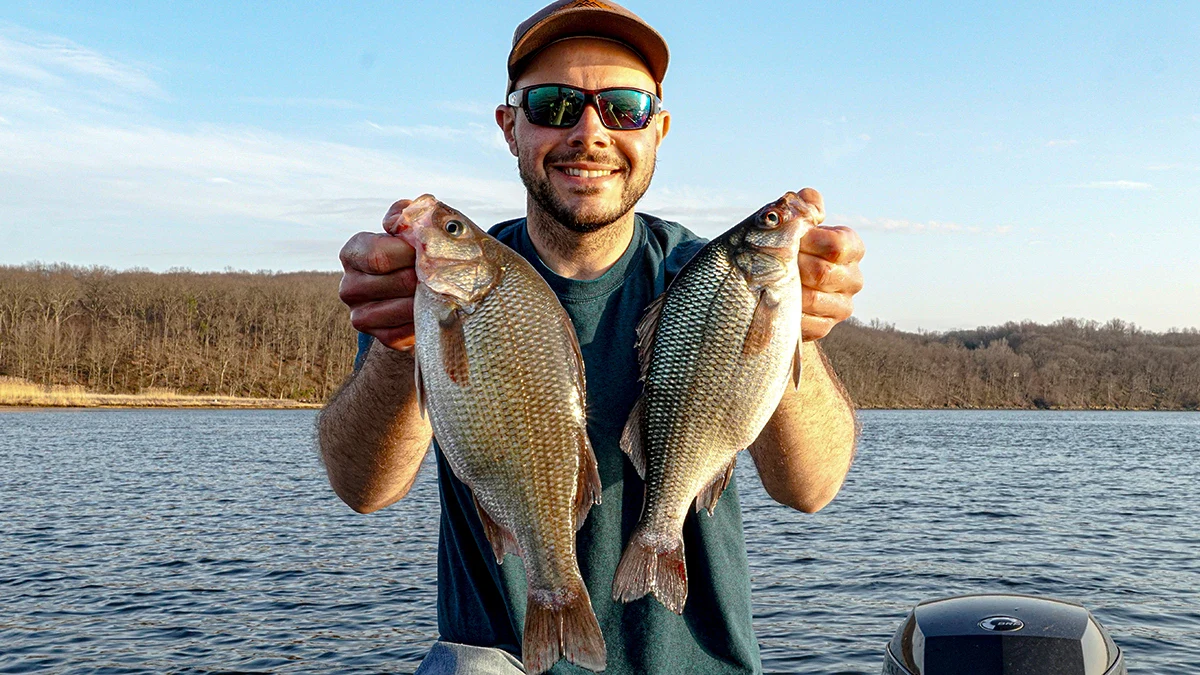
Tidal White Perch: Winter’s Best-Kept Secret
If you live anywhere near tidal rivers or brackish water on the East Coast, winter white perch fishing should be at the top of your list. This is one of the most overlooked cold-weather fisheries in the country.
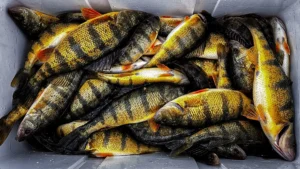
As water temperatures drop, white perch migrate into deeper holes, channel edges, and slower-moving tidal stretches. They school up tight, feed aggressively, and — best of all — stay catchable all winter long. You don’t need fancy gear to fish them, either. Light spinning tackle, small soft plastics, hair jigs, or grass shrimp on a simple splitshot rig will get it done.
Timing the tide is everything. The last half of the outgoing and first part of the incoming tide concentrate fish and keep baits moving naturally. Cold, clear winter water also makes perch less spooky than you’d expect. When you find them, it’s common to catch fish after fish from the same small stretch of river.
Bonus: You’re usually fishing in hoodies instead of parkas, with zero to little ice risk and almost no boat traffic. For anglers who hate ice but still want consistent winter action, tidal white perch fishing is hard to beat.
Steelhead and Trout: Winter River Classics
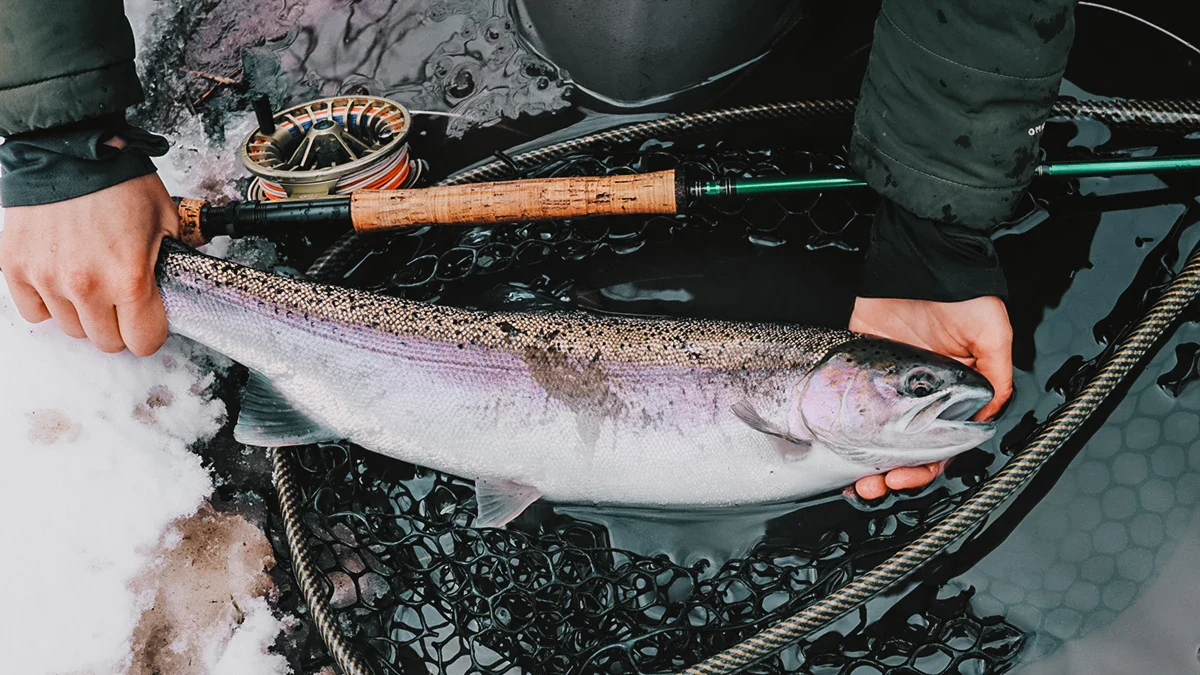
Winter steelhead and trout fishing is the obvious alternative for northern and Great Lakes anglers — and for good reason. Rivers and tailwaters remain open long after lakes lock up, and cold water keeps fish stacked in predictable locations.
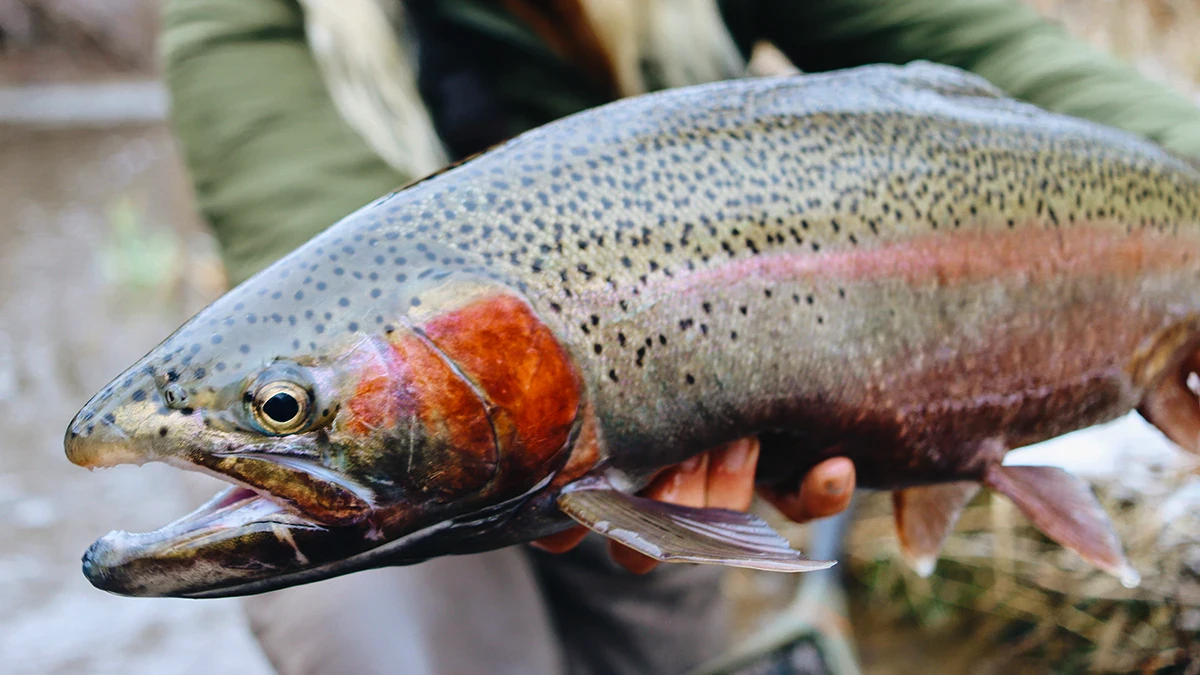
Steelhead, in particular, thrive in winter conditions. They hold in softer seams, deep runs, and tailouts where they can conserve energy. Whether you’re float fishing, bottom bouncing, swinging streamers, or nymphing, winter steelhead reward patience and precision. Fewer anglers brave icy guides and frozen boots, meaning less pressure and more cooperative fish.
Trout fishing follows the same logic. Tailwaters below dams maintain stable temperatures all winter, keeping trout active. Midday midge hatches, egg patterns, and small streamers can produce excellent action when most anglers assume the season is over.
Winter trout fishing forces you to slow down, read water carefully, and fish deliberately. The payoff for that patience is solitude and some of the biggest fish of the year.
River Smallmouth and Walleye
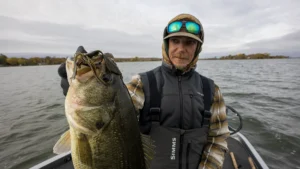
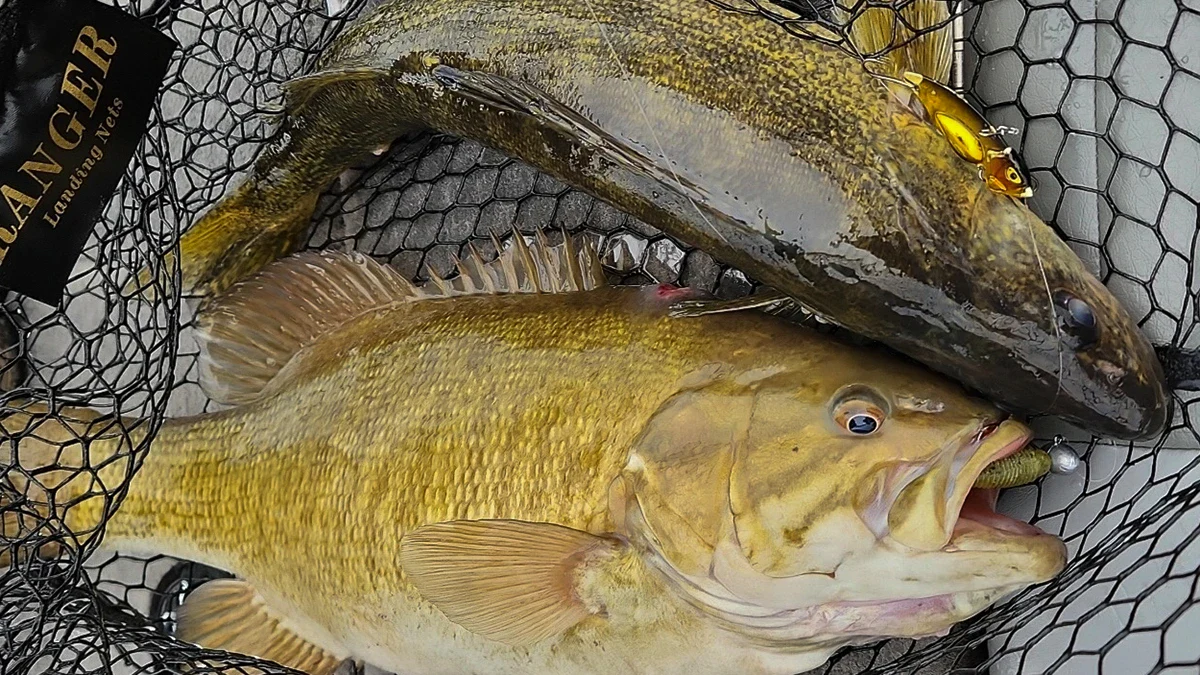
Many anglers don’t realize how good winter river fishing can be for warmwater species. Smallmouth bass don’t disappear in winter; they do, however, slide into deep wintering holes, often grouped tightly together. If regulations and ice conditions allow, slow-moving hair jigs, blade baits, or live bait presentations can be incredibly effective.
The same goes for river walleye. Cold water concentrates them below dams, in deep bends, and along current breaks. Vertical jigging spoons, blade baits, and soaking subtle live bait rigs shine in frigid water temps. It’s technical fishing, but winter walleye anglers often catch their biggest fish of the year during this period.
Coastal and Nearshore Saltwater Options
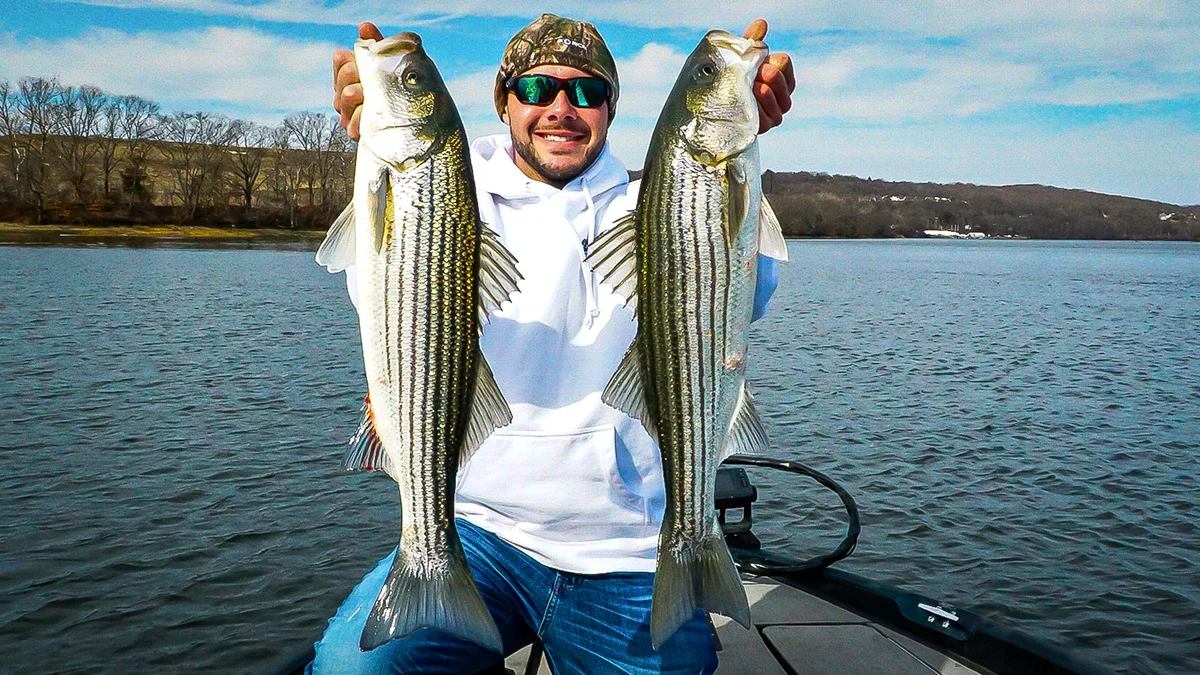
For anglers near the coast, winter opens up another world entirely. Striped bass fisheries remain open in many regions, especially in tidal rivers and estuaries where most fish holdover for the cold. Fish stack up in deep holes, feed selectively, and can be caught on soft plastics, jigs, and suspending plugs.
Other options include hitting your local pier for herring or mackerel, or even hopping on a party boat for some bottom fishing for Tautog or the occasional codfish. Saltwater winters demand attention to weather windows, but they also reward anglers with uncrowded boats and highly concentrated fish.
Urban Fishing and Power Plant Warm-Water Discharges
One of the most underrated winter opportunities is fishing warm-water discharges near power plants, industrial outflows, or springs. These areas stay ice-free and attract everything from panfish to bass, walleye, and carp.
Urban winter fishing might not look glamorous, but it can be shockingly productive. Fish pile into these areas for stable temperatures and food, and many anglers overlook them entirely once ice season starts.
Embracing a Different Winter Mindset
Not hitting the ice like everyone else doesn’t make you less of an angler, it just means you fish winter differently. Instead of mobility across frozen lakes, you’re reading tides, currents, weather patterns, and water temperature. You’re trading brute force for finesse, patience, and timing.
Winter fishing without ice often produces fewer bites, but bigger moments. It’s not a downgrade, just another option to help pass the time of long, harsh winters.
So if ice fishing isn’t your thing, don’t force it. Winter still has plenty to offer if you’re willing to chase fish where the water stays open. The rods don’t need to go away. They just need to point somewhere different.