I routinely field questions about the differences between aluminum and fiberglass fishing boats from prospective buyers.
And there is a lot to say. Today’s bass boats are exceptionally well built, and aluminum boats’ overall quality has been rapidly catching up in a field where fiberglass options dominated for years. Let’s dive in.
Advancements in Aluminum
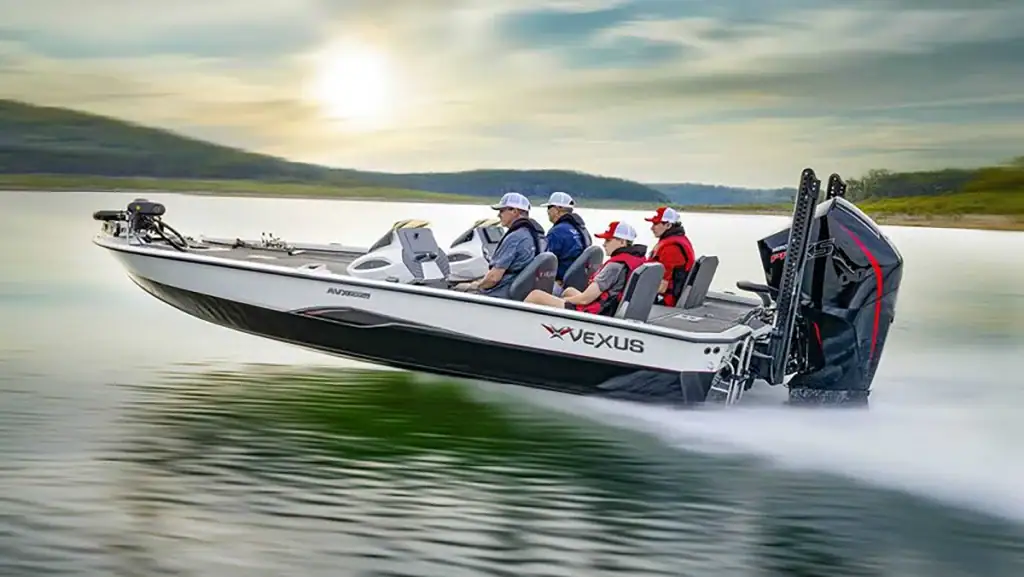
It used to be that techniques for symmetry, flotation and features were lacking, making aluminum the low-priced spread with wooden decks and lower-grade components. But now, new aluminum boat-building techniques allow for more rounded edges, more advanced coatings and paint, and the creature comforts that fiberglass manufacturers utilized for years.
Competition among leading brands like Lund, Xpress, G3, Crestliner, Vexus, and Ranger has made that possible. Better ride, level flotation with sound-defeating foam, and rough coats for sides and gunnels all have changed the game. A better overall fit and finish, plus better materials, also helped.
Boat width is an essential ingredient of today’s new aluminum boats; with width comes stability and a better riding surface. Their deck space today is much more spacious and fishable than in the past.
Tighter specifications and tight tolerance jigs and dyes in the manufacturing process mean that aluminum boats have pad-style running surfaces and better handling ability, both while running and cornering. Manufacturers are also building component parts with tighter tolerances, making the overall ride and feel more firm and comfortable in most new aluminums. Old-style aluminums were narrower and could be tippy, and were rougher riding than a Brahman bull.
Reasons to Consider Aluminum
Today’s aluminum buyers have a lot of choices, and should take into account their most-visited fishery’s type and size. Long-lasting paint schemes also make aluminum a great purchase for families and tournament pros alike: Keep in mind that buying aluminum doesn’t mean you are getting less boat for your bucks.
Modern options are still lightweight, but also built to withstand the pounding of big lakes and rivers. Intricate stringer and support systems are styled off their fiberglass cousins, and most models are built to be quiet while also taking a beating. And high-performance aluminum boats are sporting up to 250-horsepower outboards with jackplates and shallow-water anchors on the transom.
Depending on the type of bottom you want, V-Hull or bass boat-style allow anglers to pick big water rides most suitable to their preferred fishing style.
There are also inshore, hunting, and mid-range boat packages that can stand up to on-the-water activity. As duck hunters have known for years, aluminum boats handle even the toughest of conditions well and with tiller steering.
New aluminum boats’ costs are creeping up with the addition of more features and amenities, but they remain less expensive than fiberglass in an apples-to-apples comparison.
Fiberglass Then and Now
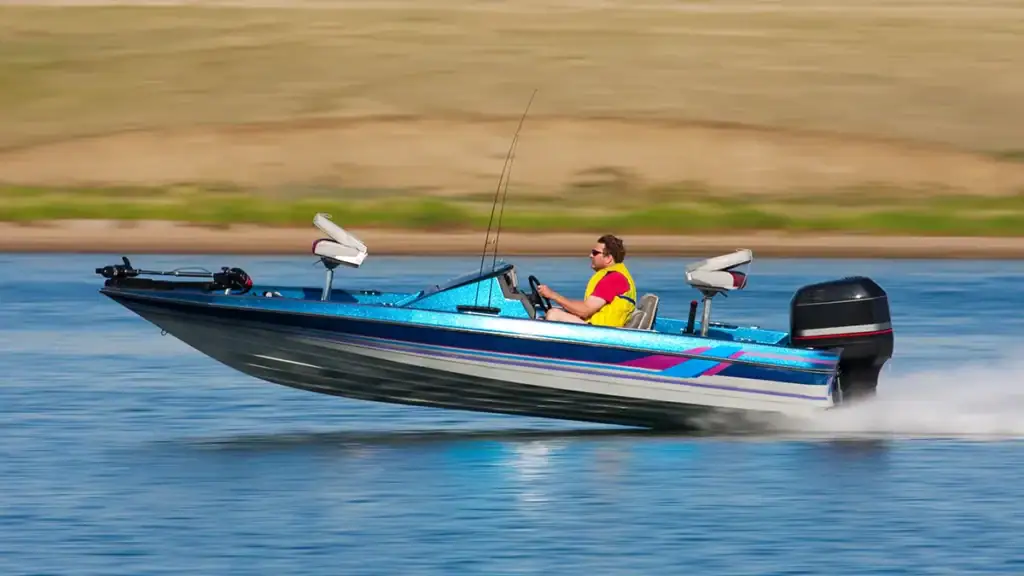
For years, fiberglass boats have been the go-to for tournament anglers. Some of that comes from performance attributes, but can also be a result of pro tournaments and pro anglers’ endorsements.
Fiberglass is a flexible and strong material formed with a mold to build boats. It has been a mainstay in high-performance fishing boats since the late ‘60s and continues to improve. Better resins and cloth — the matting used for strength — is engineered specifically for boats today. Better hull designs have also vastly improved with carefully designed strakes and chine contours that increase both speed and stability. Reverse chines on some models actually push the water away from the boat, which allows for a cleaner planing capability.
In the early days, the technology of forming fiberglass came from the automotive field before it migrated to boat-building. Specific resin and woven combinations vary by manufacturer, and each one has a different process for building their boats. Automation has made each boat more standardized by weight and dimension, while flex points have been strengthened with new composite materials like multi-layer fiberglass blocks and other materials that provide strength without absorbing water like wood in older models. Many new boats even have fiberglass transoms.
Why Anglers Still Love Fiberglass
Typically in fiberglass boats, there are no sharp edges inside or along the gunnels. You can customize slick finishes in almost any color; the gel coats protecting those finishes continue to evolve, too. Properly maintaining a fiberglass boat can keep it looking new even after years of use if you seal it with a good fiberglass sealer. Many anglers do not know that even the best clear can be porous and dirt can harm the finish. A good cleaner followed with a sealer can eliminate that oxidation and fading.
Fiberglass models like Ranger, Nitro, Bass Cat, and Phoenix are continually listening to pros and customers alike, and one of the last bastions of conquest is the inside of the gunnels of the boat. Modular tackle storage, better rod boxes, and even ventilation systems are add-ons in recent years.
What Material is Best for You?
A good rule of thumb for purchase is dividing the cost into how many times you get to go fishing. That quick formula will help determine what type of boat is best for you. Two things happen with this approach. One, it balances your time on the water with how much money it takes to get on it; and two, justifying that cost gives you an excuse to go fishing more.
Nothing is worse than buying a boat and not having the budget to use it. I recommend that you buy as much boat as you can afford, if money is an issue. Do keep in mind that fiberglass options will, on average, cost more. But with that said, I suggest getting as much trolling motor, as many electronics, and the best batteries you can afford, no matter what material your boat is made from — or whether you buy it used or new.
Buying a boat is a major purchase. Don’t just focus on how it looks: Rather, consider how it functions for your type of fishing. And do your research. You will be glad you did.