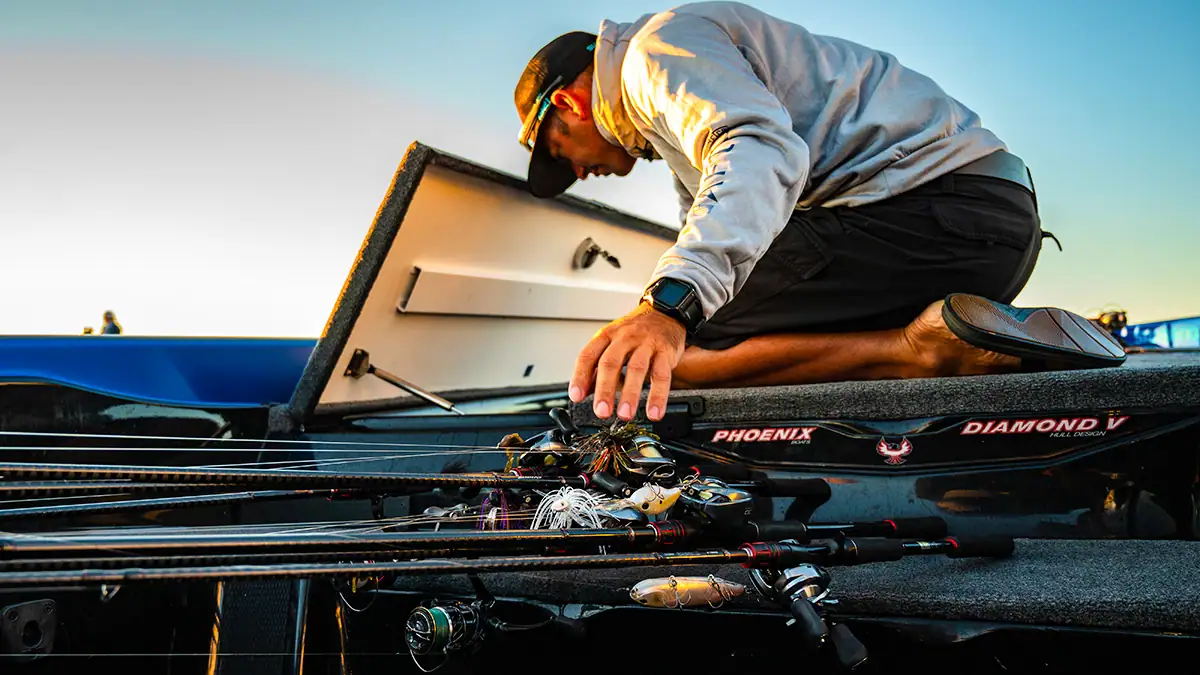
Walk down the reel aisle of any tackle shop or scroll through social media, and you’ll eventually encounter one of bass fishing’s oldest debates: Should you use a right-handed or left-handed baitcasting reel? Like Ford versus Chevy or fiberglass boats and tin rigs, anglers love to argue about which one is “correct.”
The truth? There isn’t one right answer. What matters isn’t which side your reel handle is on: It’s how efficiently you fish. Over the years, I’ve spent plenty of time with anglers who fish right-, left-, and both-handled baitcasters. I’ve fished with anglers who swear by one style while others switch between the two depending on the technique. Understanding why each option exists can help you decide what works best for your own fishing.
Everyone has their own opinion, but there is a side to every argument… or to every reel, in this case
The Traditional Right-Handed Baitcasting Reel
For decades, nearly every baitcasting reel sold in America featured the handle on the right side. Right-handed anglers would cast with their dominant hand, transfer the rod to their left hand, and then crank the reel with their right hand. That’s simply how generations of most fishermen learned, including myself. From what we know, or what we think, this is the right way to fish a conventional style reel.
Many anglers still prefer this setup because reeling is actually a fairly simple task compared to making an accurate cast or working a lure. By keeping the rod in their left hand after the cast, they feel like their dominant right hand is free to provide the power needed while retrieving bigger baits or fighting heavy fish.
If you’ve been fishing this way for decades, chances are you don’t even notice the hand switch anymore. It’s become muscle memory and it just seems like the right way to do it. Some anglers even argue that switching hands after the cast gives them a split second to engage the reel while allowing the lure to fall naturally, especially when pitching or flipping around heavy cover.
The Rise of Left-Handed Baitcasters
As bass fishing evolved, so did reel manufacturers. Today, nearly every popular baitcasting reel comes in both right- and left-handed models in a wide variety of gear ratios. At first, many companies started making left-handed reels only in one specific gear ratio. But as they became more popular, more gear ratios were added to cover a wider array of angling.
Many anglers who are right-handed now choose left-handed baitcasters because they never have to switch hands after the cast. They cast with their right hand, immediately begin reeling with their left, and stay ready for a strike from the instant the bait hits the water. My good friend Derek Horner — who I also used to fish college bass tournaments against throughout the northeast — is a lefty guru. After a recent media trip together, we dove headfirst into seeing which one was better, or the “right way.”
“I can’t stand switching hands, it’s my biggest pet peeve — especially when I’m in a tournament and every second counts,” Horner said.
He’s totally right: When money is on the line or time is of the essence, switching hands can take some time, and those seconds can add up quickly. This can be also important when throwing topwaters, buzzbaits, frogs, or spinnerbaits where fish often explode on the lure the second it lands. Anyone who’s watched a bass crush a buzzbait before they could even get the reel engaged knows how valuable those extra seconds can be.
Not switching hands also allows for smoother, faster presentations when you’re making hundreds of casts during a tournament day.
Is One More Efficient?
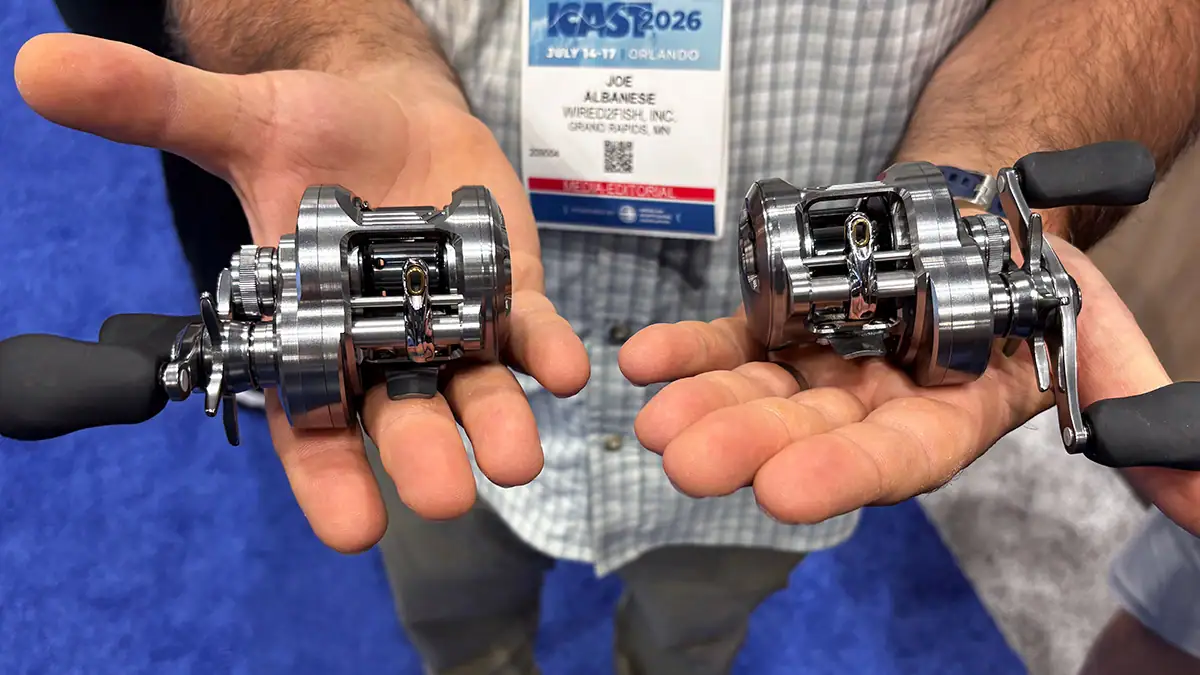
From a purely mechanical standpoint, eliminating the hand switch is slightly more efficient. Over the course of an eight-hour day, you may make well over a thousand casts. Saving even a fraction of a second each cast can add up.
“Certain things about being a left-handed reel just seem so natural. Controlling the rod and casting with your dominant hand enables more strength and seamless movement,” said former Bassmaster Elite Series pro Destin DeMarion. Being a righty his whole life, DeMarion wants to keep all the power in the rod as opposed to cranking with the reel. No hand switching, no worries.
To me, and many other anglers across the country, swapping hands and keeping the rod in your left hand is more of a natural feeling, which can lead to more efficiency on the water. Being comfortable, after all, leads to a more natural movement and easier-going trips on the water.
So is one more efficient? It’s all personal preference.
Why Many Pros Use Both
One thing that surprises many anglers is how many professional bass fishermen own both right- and left-handed baitcasters. Some use left-handed reels for slower presentations, like flipping and pitching, where immediate engagement matters. Others prefer right-handed reels for techniques that involve a more natural “chuck and wind” feel.
For example, an angler may throw a walking topwater, buzzbait, or frog on a right-handed reel. Later in the day, they may pick up a jig, football jig, Carolina rig, or Texas rig creature bait on a left-handed setup because that’s simply what feels most natural for those techniques and you can eliminate the hand switch when a bass bites on the fall.
There’s no rule saying every rod on your deck has to match. It’s all about being comfortable and efficient on the water.
Can You Learn Both?
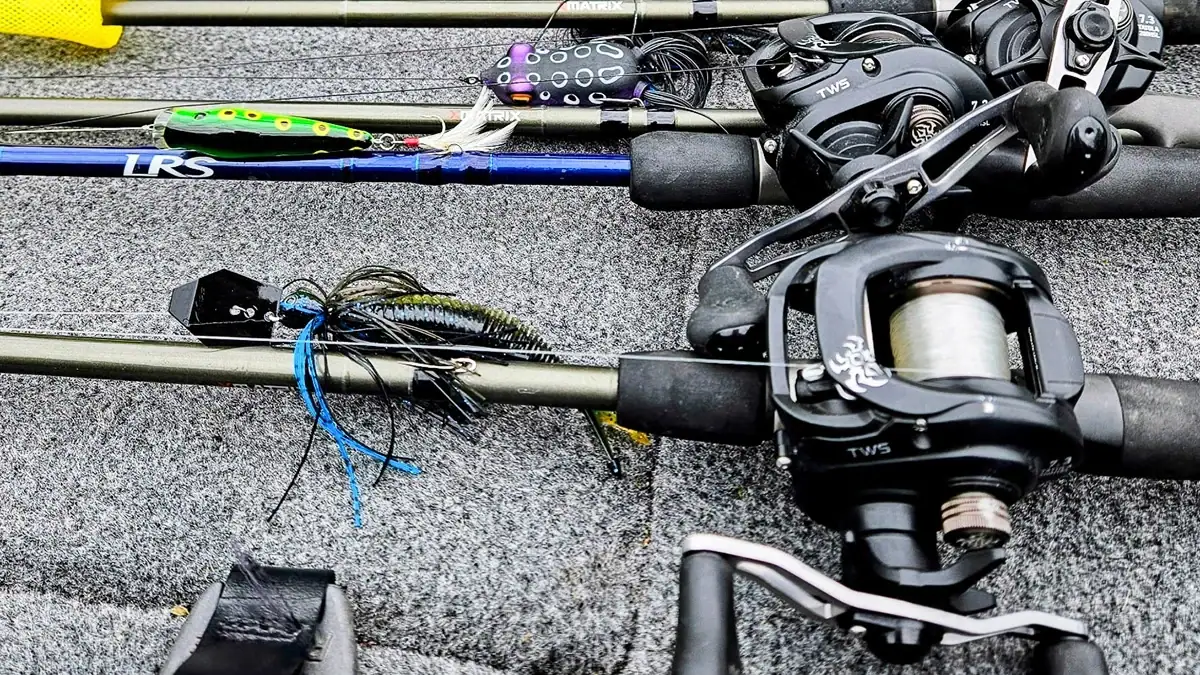
Absolutely you can. In fact, there’s a real advantage to becoming comfortable with both retrieve directions. It takes a little getting used to at first, but with a little practice, it can save you time and money on the water. It might feel a little odd, but worth the time and investment.
Fishing all day puts repetitive stress on your wrists, elbows, and shoulders. Switching between right- and left-handed reels throughout the day can reduce fatigue by changing what muscles do the work. It’s also helpful when fishing from awkward boat positions or around docks where one retrieve direction simply feels more natural. When fishing around boat docks, there are many instances that having a left-handed reel for a right-handed fisherman would be ideal if you are skipping them from the left side. Some anglers even become ambidextrous enough to skip docks with one setup and pitch heavy cover with another without ever noticing the difference. That’s efficiency!
Like learning to cast with your off-hand, using both retrieve directions simply takes practice. The more you practice, the better you’ll get — and more time you’ll spend fishing.
So… Which One Is Right?
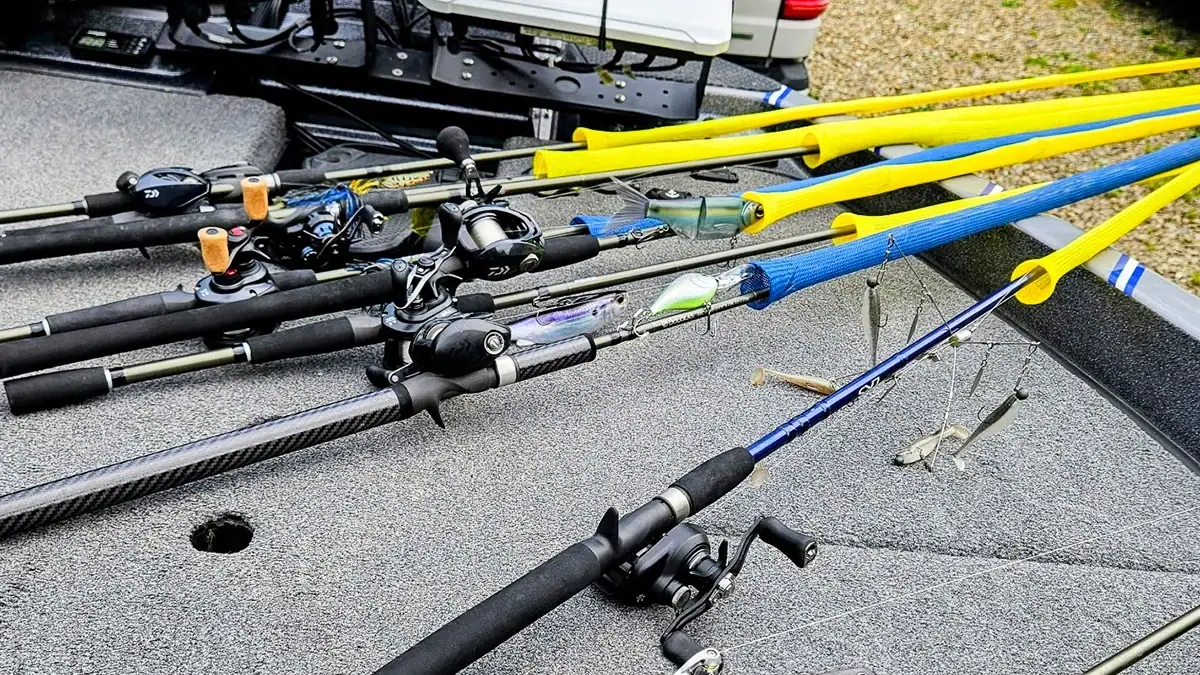
The honest answer: It’s whichever helps you fish more effectively. If you grew up using right-handed baitcasters and switching hands feels automatic, there’s no reason to change. If you’re buying your first baitcaster, a left-handed model may actually make learning easier since you won’t have to develop the habit of switching hands after every cast. And if you’re serious about bass fishing, don’t be afraid to own both. There is truly no right or wrong answer, just what’s best for you.
Many anglers naturally develop preferences based on techniques rather than sticking to one retrieve direction for every rod. At the end of the day, bass don’t care what hand turns the handle. They care about lure presentation, location, and timing. The right reel is the one that lets you make accurate casts, stay connected to your bait, detect subtle bites, and land more fish. Whether the handle is on the left or the right is simply personal preference.
Like so many things in bass fishing, confidence catches more fish than convention ever will.