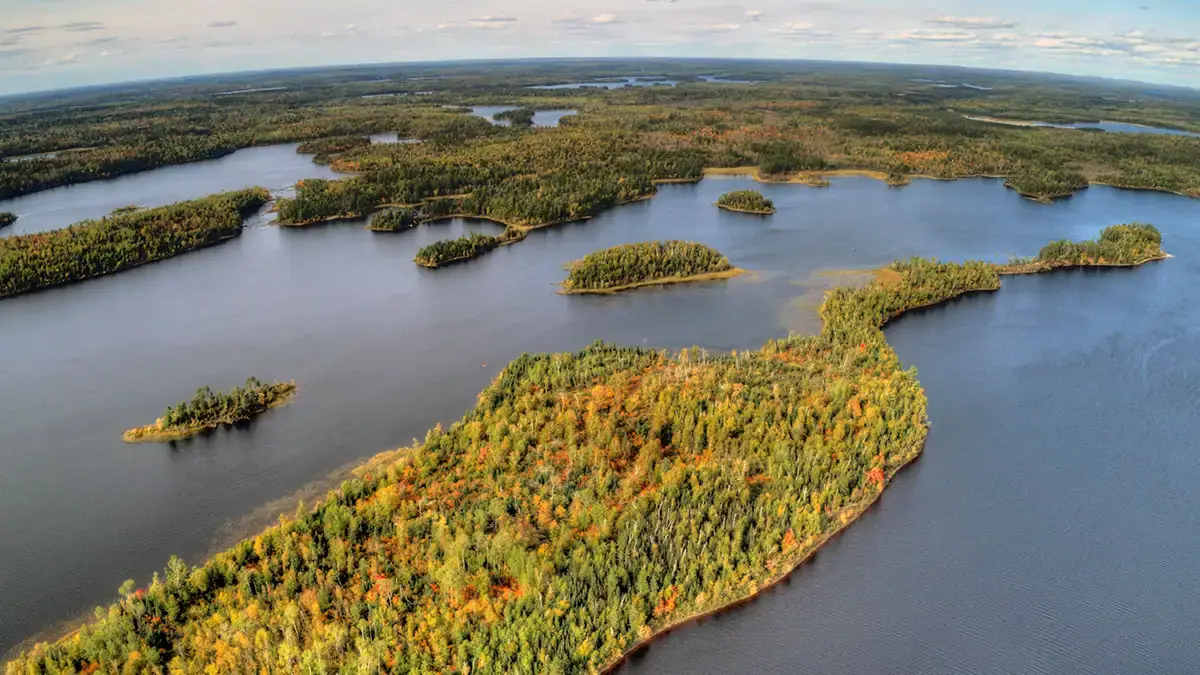
In late August, Minnesota Governor Tim Walz pushed back against recent federal deregulations with an executive order he hopes will prevent copper, nickel, and precious metal mining in the Rainy River Headwaters Watershed, right next to the Boundary Waters Canoe Area Wilderness (BWCAW).
By telling the state’s Department of Natural Resources (DNR) and Pollution Control Agency to freeze all new leases and environmental permits immediately, Minnesota effectively shut the door on new proposals. On top of that, state agencies are barred from helping federal officials with environmental reviews, making it clear that Minnesota isn’t going to play ball.
“The Boundary Waters is a national treasure and home to some of Minnesota’s most pristine waters and wilderness,” said Governor Walz. “This place is deeply personal to me, to Minnesotans, and to people across the country who have paddled these waters. I am using my full executive authority to protect the waters and wildlife of the Boundary Waters and to ensure the outfitters, small businesses, and communities that depend on it continue to thrive for generations to come.”
This move hits big mining proposals like the controversial Twin Metals project near Birch Lake. (Part of the controversy is that Twin Metals is a subsidiary of Antofagasta, a massive mining conglomerate that’s based in Chile and controlled by the Chilean billionaire Luksic family.)
In Minnesota, even if a mine sits on federal land, it can’t actually operate without state permits, so this executive order brings current plans to a grinding halt. And it’s a direct response to Washington recently undoing a 20-year ban on mineral leases in the Superior National Forest. Further, the state is now auditing all 38 existing mineral leases in the area to see if they’re affecting local waters.
A Quick Backstory
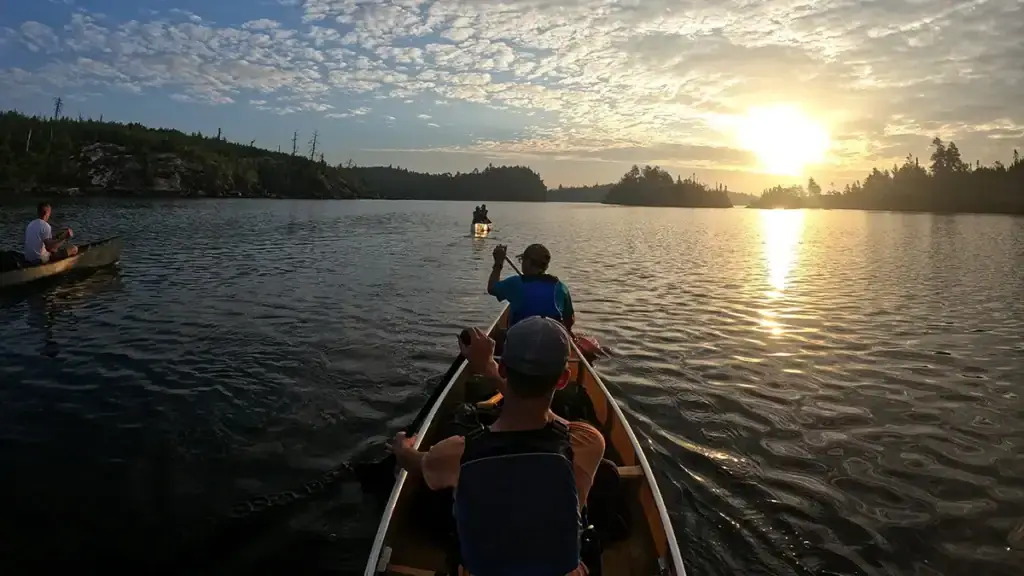
Wired2fish first covered when the U.S. Senate removed key protections from mining for the Minnesota Boundary Waters. At the time, a host of hunting, fishing, and outdoor groups submitted a joint letter to Congress opposing House Joint Resolution 140. Organizations included the Backcountry Hunters & Anglers, Bass Anglers Sportsman Society (B.A.S.S.), Theodore Roosevelt Conservation Partnership, Trout Unlimited, Whitetails Unlimited, Angler Action Foundation, and many others.
But Congress used a Congressional Review Act (CRA) to overturn a Bureau of Land Management (BLM) order that had previously safeguarded the Boundary Waters watershed from mineral withdrawal. The original order was called “Public Land Order No. 7917,” and it protected 225,504 acres of National Forest System land from mining in Cook, Lake, and Saint Louis counties for 20 years starting in 2023.
Minnesota Rep. Kelly Morrison opposed the CRA decision. “The Boundary Waters is the most visited wilderness area in the country — there is literally no other place like it on Earth,” she said. “And it’s a major driver of the nearly $13.5 billion outdoor recreation economy in Minnesota. All that is at risk if sulfide-ore copper mining is allowed in the watershed of the Boundary Waters. It’s known as the most toxic industry in America.”
Getting into the Weeds
The land surrounding the Boundary Waters operates as a complex checkerboard system of overlapping jurisdictions. While the federal government manages the majority of the surrounding surface land and subsurface minerals within the Superior National Forest, Minnesota owns significant interspersed tracts, including School Trust Lands, and holds sole regulatory authority over state waters.
The core distinction between federal and state leases comes down to subsurface property ownership and administrative control. Federal leases are issued by the BLM and the U.S. Forest Service for minerals owned by the national government. State leases are granted by the Minnesota DNR for minerals owned directly by the state. Because major copper-nickel deposits span both federal and state subsurface rights, a mining company typically needs access to both types of leases to build a contiguous, viable mine.
This overlapping setup creates a natural system of checks and balances where both levels of government hold effective veto power over a project. Even when the federal government lifts a mineral ban or grants federal leases, a mine cannot operate without state-issued environmental approvals, including water discharge permits, air quality clearances, and dam safety permits.
Next Steps
By halting state permits and state mineral leasing, Minnesota’s governor used state regulatory authority to block project development regardless of federal policy.
But executive orders don’t last forever. Since this directive automatically expires 90 days after the governor leaves office, the current action serves more as a temporary shield. And future litigation against Minnesota is likely coming from mining interests and/or the Trump administration, so we’ll continue to keep you updated as new details emerge about the protection or monetization of Minnesota’s Boundary Waters.