After any bass tournament, all you ever want to see is your fish swim away safely and healthy enough to be caught another day. Sadly, whether it’s a local club derby or big-name event, that’s not always the case.
Since you’re always going to get some fish mortality, the main question is: How can you prevent it? And how can you keep fish healthy and alive all day in a small livewell? There are many different answers — as well as right and wrong ways to go about it — along with everyone having a different opinion. Countless articles provide bits and pieces of information, but there’s not just one definitive place for fish-care information.
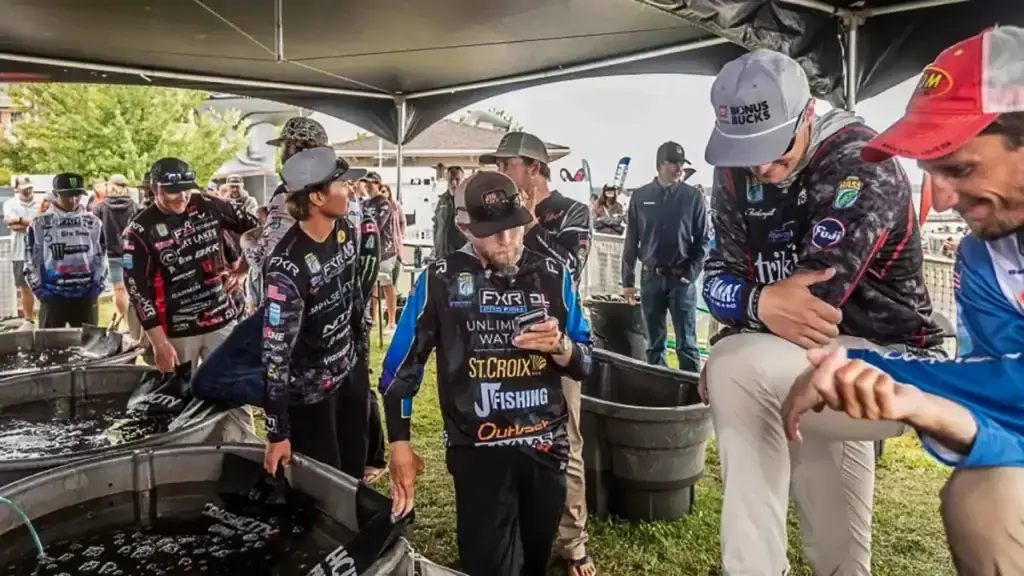
I recently had a long talk with Gene Gilliland, renowned fish biologist and current Bassmaster Conservation Director. He’s the man behind the scenes when it comes to keeping fish alive at the Bassmaster tournaments across the nation each year. Gilliland is in charge of making sure every bass that makes its way across the big stage safely returns to the water. In short, if there’s someone who knows how to keep fish alive during an eight-hour tournament day in high water temperatures, it’s Gilliland.
Here’s a few tips and considerations for the next time you have to put some bass in your livewell.
What Makes a Good Livewell?
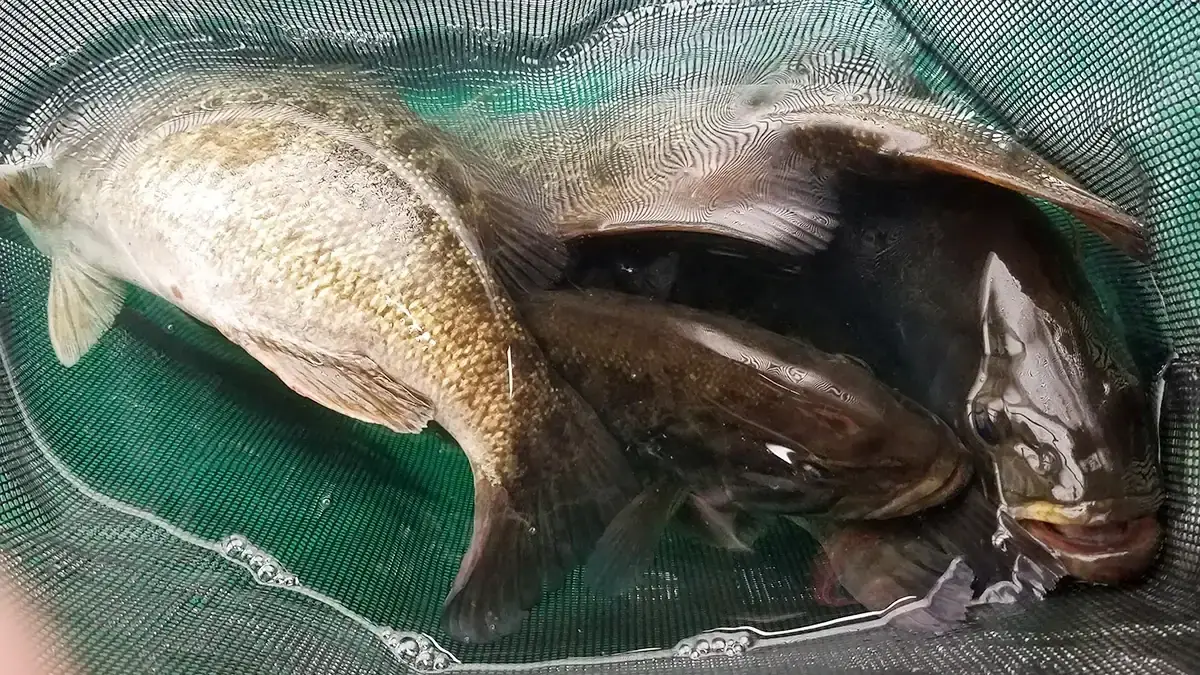
This might seem like a loaded question, as one may feel that all livewells in bass boats are great. But the answer is that any livewell can work well if it has two main factors.
“To maintain a happy and stress-free environment for bass in your livewell, the two most important factors to consider are temperature and oxygen,” Gilliland explained. Without these two things, you cannot have fish live well in your boat. Stress becomes an issue when one of these factors goes out of balance.
Temperature
Temperature is the most important factor when it comes to keeping fish alive: A high water temperature means more stress is on the fish and less oxygen is in the water. Anyone can keep fish alive when it’s cool out and that water temperature is in the 50’s. It’s during the dog days of summer when that surface temperature feels like bath water when it’s harder to keep bass alive.
Gilliland has a general rule of thumb when it comes to his protocol he developed for the Bassmasters back in 2003. The tournament protocol dictates that:
- If the water temperature is less than 70 degrees, to maintain good fish health in your livewells, you can get away with pumping water continuously into your livewell all day
- If the water temperature is greater than 70 degrees, have your main livewell full all day, along with your recirculation pumps, possibly some oxygen, and even some ice.
When you add water to your livewell also makes a difference in terms of temperature. Adding more water early in the morning ensures slightly cooler water than if you’d add it during the heat of the day.
Oxygen
The second most important factor in fish care is oxygen. Without the right oxygen levels, fish — or any other organisms — can’t live, right? In a perfect situation, water can never be too oxygenated, especially during the warmer months when bass are using more oxygen than during colder weather periods.
“Smallmouth bass tend to use up more oxygen than largemouth bass,” said Gilliland. This is mainly because smallmouth evolved in a colder environment in moving water, as opposed to the largemouth that thrive in stagnant ponds and lakes.
So getting more oxygen in the water is very important. When I used to commercial fish with my father, we always carried pure oxygen in a big tank to pump into our recirculated livewell to bring life back to our catch. But that’s not really practical on a bass boat. Gilliland recommends the PiranahO2 system for the most practical on-board oxygenation setup. Its small size ensures bass will get more oxygen than normal while still being a better option than a recirculating pump.
Ice: A Lifesaver in Warm Weather and Hot Water
While adding ice to your livewell helps keep fish alive, it can become a problem if you use it incorrectly. Too much ice makes fish go into shock. But if there’s too little, the water won’t get cool enough to make a difference.
“Anglers make the mistake of putting a bag of ice in each livewell to start the day — that’s probably the worst thing you could do for the health of your fish,” Gilliland warned. Instead of putting bags of ice or constantly filling your livewell with scoops of ice, he recommends filling water bottles with ice and freezing them. As they thaw, they deliver an even cooling distribution so fish can acclimatize to the water.
A study by Todd Driscoll and the Texas Department of Fish & Wildlife showed that lowering the water temperature by five to seven degrees with a closed recirculating water system resulted in the most successful fish survival during an eight-hour tournament day. Ice in moderation is key to supporting bass in your livewell for long periods of time in the heat.
Handle Fish Carefully
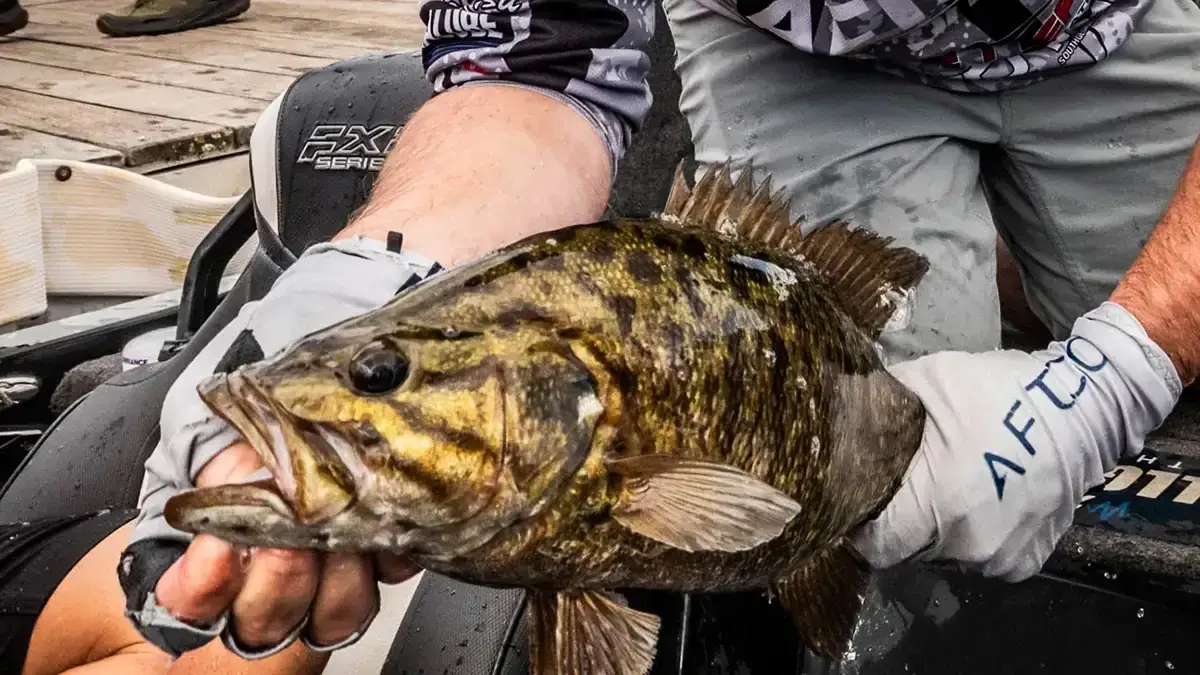
Livewell management isn’t just about water quality. It’s also about how you handle the fish. Wet your hands before touching your bass you just caught, especially if you’re handling it outside the livewell. Avoid squeezing the fish or grabbing it by the jaw and bending it excessively. Keep the fish away from the boat floor and other hard surfaces. The slime coat of the fish is the fish’s immune system. If that gets stripped away, then the fish won’t be able to survive well after releasing at the end of the day. A bass may look tough, but unnecessary handling can create injuries that make post-release survival more difficult.
If you’re culling fish, handle both the fish you’re keeping and the fish you’re releasing carefully. Use tournament-approved culling systems that minimize damage to the fish.
Check Your Fish Throughout the Day
Don’t wait until you’re pulling into the weigh-in line to check your bass. Every time you open the livewell, take a quick look at the fish. Are they swimming normally? Are they upright? Is one fish acting differently than the others?
Tournament fishing can become hectic, but checking your livewell should become second nature. A problem caught early is much easier to address than a fish that has been struggling for several hours.
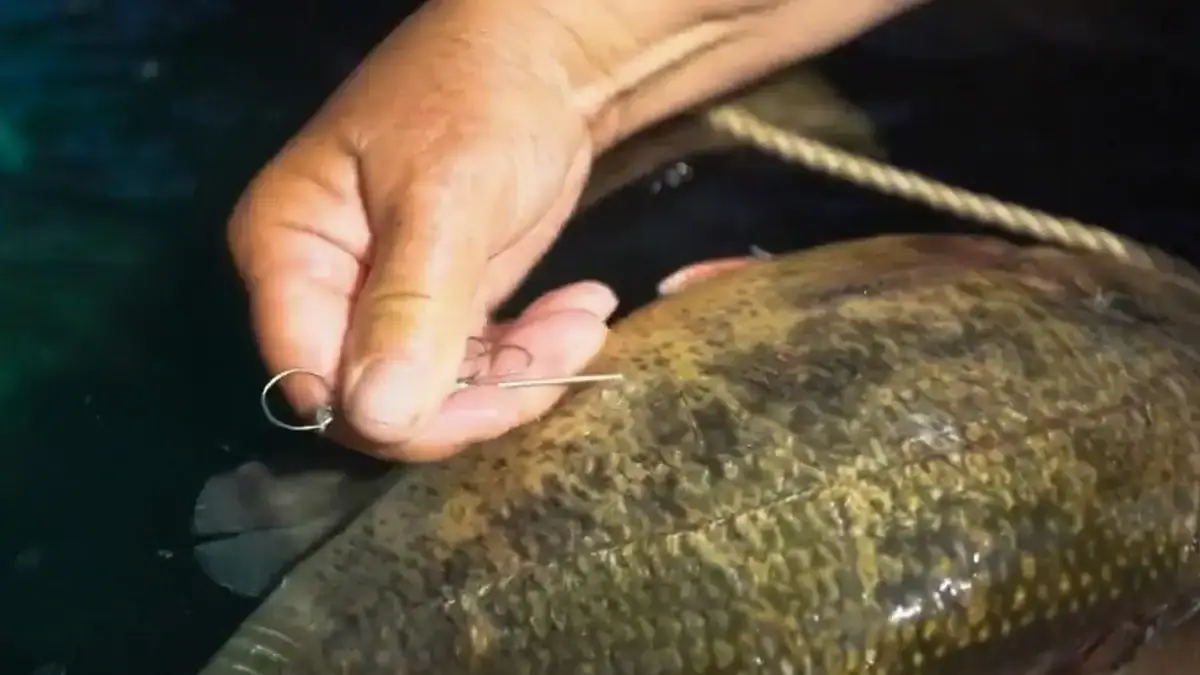
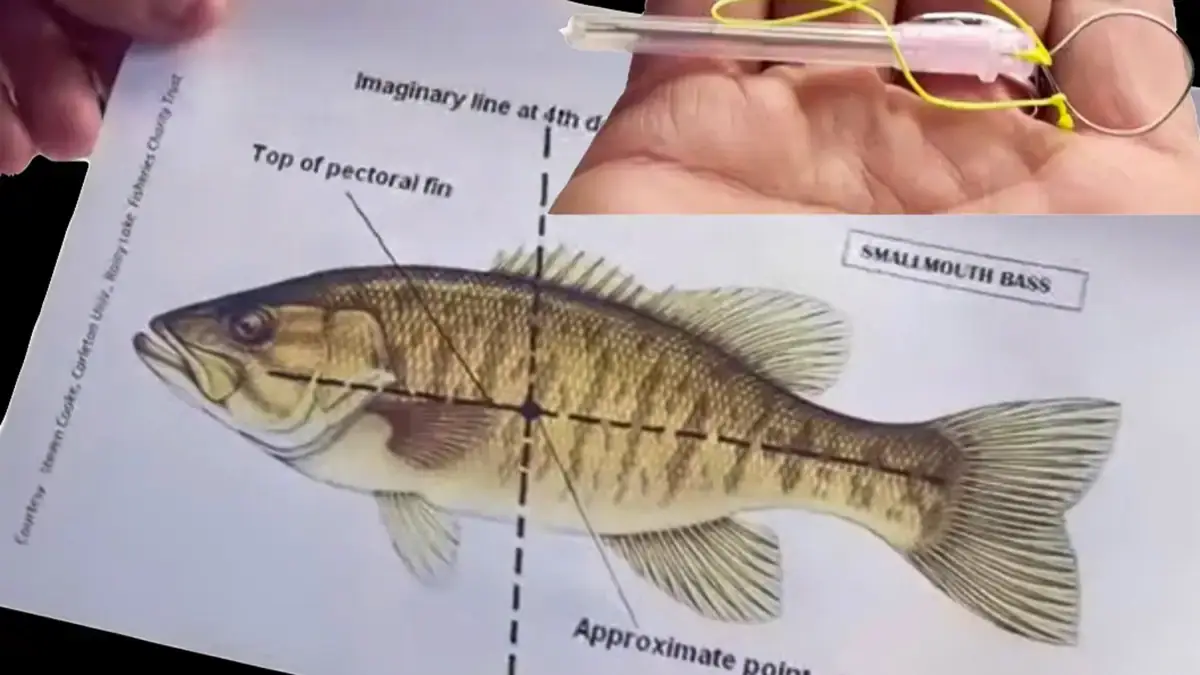
If you observe the fish swimming upside down or floating, they are probably suffering from barotrauma or what we call “the Benz.” This means that a fish can’t regulate its swim bladder and expel the air to make it swim upright. Utilizing a fizzing needle and releasing that air can make your fish survive. Barb Elliot of the New York BASS Nation has constructed a fizzing kit with complete instructions on how to properly fizz largemouth and smallmouth bass to increase the tournament survival rate.
Another way to decrease stress in the livewell is adding table salt into your water. Adding some salt to freshwater has been a fish hatchery technique for centuries. It’s used around the world to help calm fish while decreasing bacteria levels. Gilliland even recommends it in his BASS fish care protocols at one cup of salt per 15 gallons of water.
Keep in mind that the U.S. Food and Drug Administration does not approve of using outside chemicals for the live release of fish that could be deemed for consumption. That’s why even livewell treatment chemicals are not recommended for proper fish care. They ultimately do more harm than good.
Delayed Mortality
This is something that most anglers often overlook. When their fish swim away at the end of the day they are probably fine, right? Not in most cases. Your fish could be perfectly healthy all day in the livewell; as soon as you get them out in a weigh bag and in line for weigh in, however, that’s when the stress levels come into play. And that’s when things can get dangerous.
Healthy fish can turn into stressed, dead fish in no time. Try to limit handling and bouncing around as much as possible. Keep your fish in your livewell before weigh-in to ensure maximum survival. If you see those fish swim off all lethargically, even though they swam off, they probably will be dead in a few days. That’s delayed mortality.
Unfortunately, it’s a common thing — especially with smallmouth. Always take extra precautions when handling your fish, from when you catch them to when you release them later in the day.
The Goal is More Than Winning
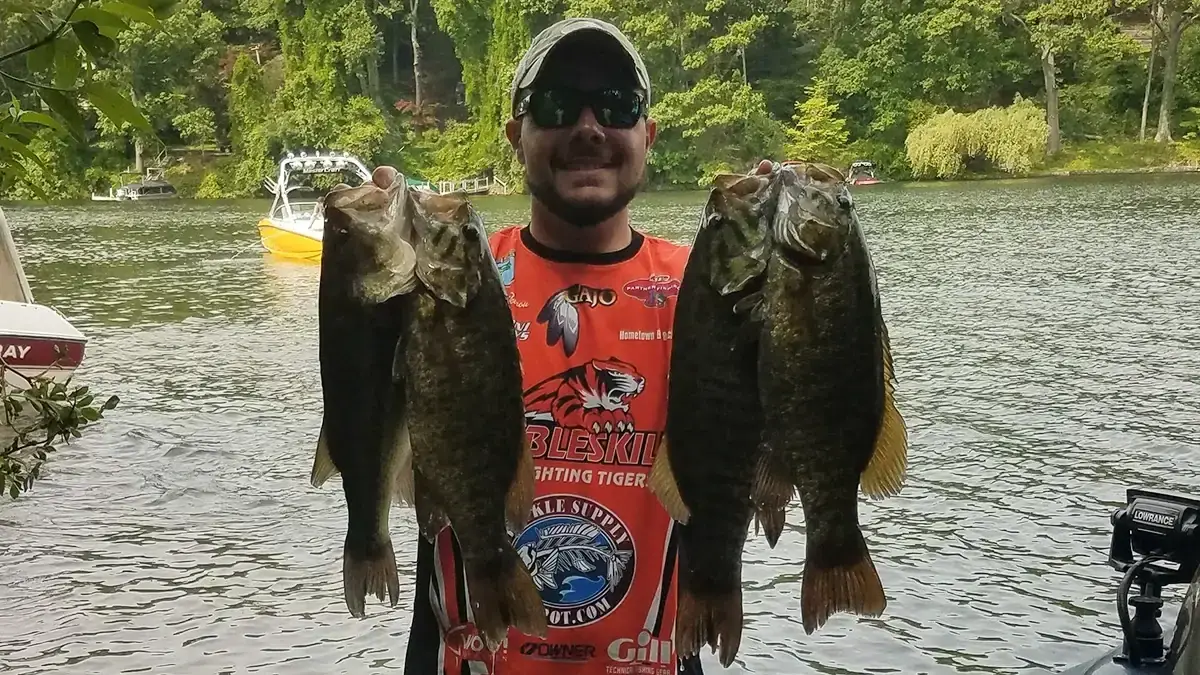
At the end of the day, we all want to weigh the biggest bag possible. That’s what tournaments are about. But as bass fishermen, we should also want those fish to be — and remain — healthy when they swim away after the weigh-in.
Proper livewell care is part of being a responsible tournament angler. It protects your investment in the tournament, protects the fishery, and gives bass the best possible chance of surviving after release. Keeping tabs on your fish throughout the tournament day helps ensure a healthy release back at the dock.
A tournament isn’t successful simply because you caught five big bass. It’s successful when you can put those fish on the scales, collect your paycheck or trophy, and watch those same bass swim back into the lake.
If we all take care of the fish, the fishery will take care of us for years to come.