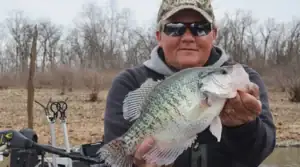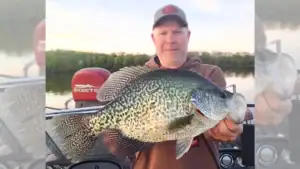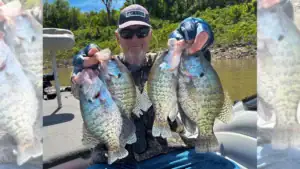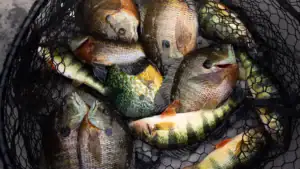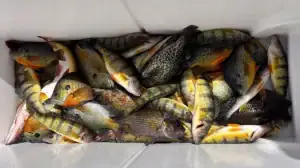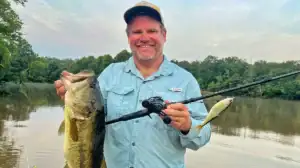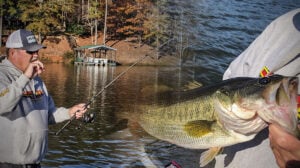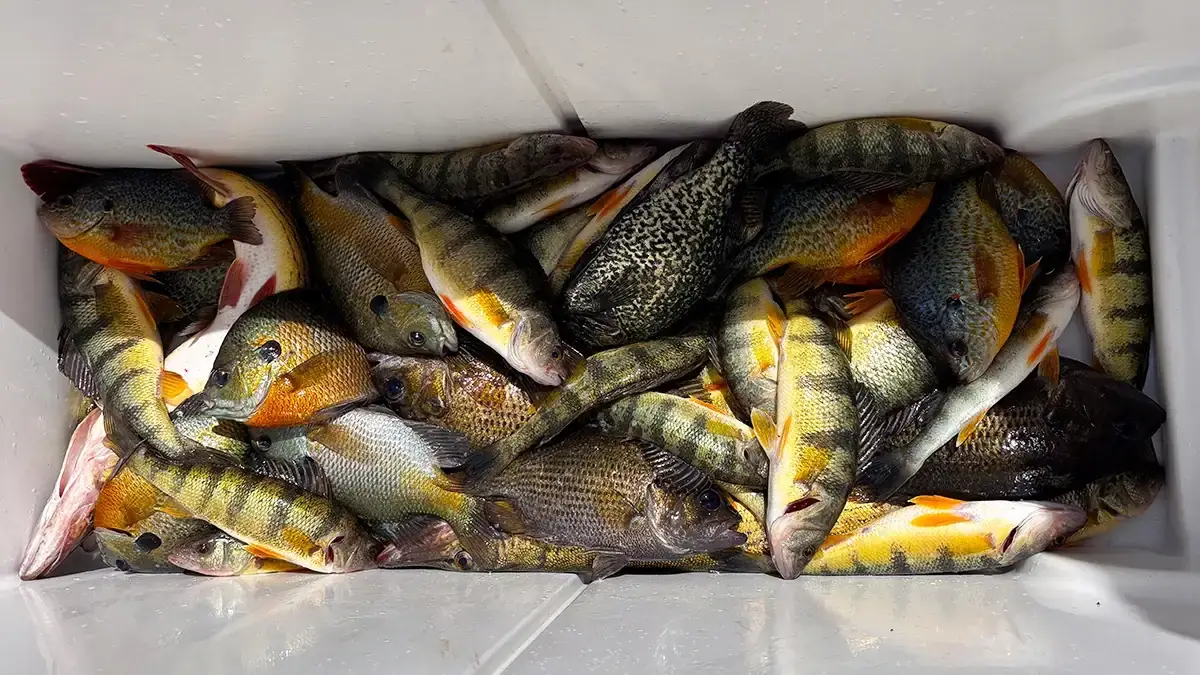
Summer isn’t over yet, and there’s something about its heat that changes the way I fish for panfish. The water is warm, the weeds are thick, and the biggest bluegills, crappies, and other panfish often aren’t hanging around the same shallow cover where we found them in spring. When the sun gets high and the water temperatures climb, many of these fish slide farther down, suspend over open water, or position themselves around deeper structure. You usually never think of panfish as deep suspending fish — but anything is possible when the water gets hot.
That’s when I reach for some of the smallest baits in my boat. One of the biggest mistakes fishermen make during the summer is throwing baits that are simply too large. Panfish have no problem eating bigger offerings when they’re aggressive, but summertime panfish can become surprisingly selective. Downsizing your presentation to match the tiny insects, young-of-the-year baitfish, and other small forage available can make a huge difference.
Trout Magnets: A Summer Panfish Staple
One of my favorite micro baits for summer panfish is the Trout Magnet. These tiny plastics were designed with trout in mind, but they’re absolutely deadly on panfish. It’s one of my go-to baits through the summertime months when panfish, especially big bluegills, feed on larger invertebrates.
A Trout Magnet is small enough to imitate a variety of natural forage without looking intimidating. Bluegills, crappies, perch, and even smaller bass will readily eat them. The beauty of these little plastics is how many ways you can fish them: Put one on a tiny jighead and swim it slowly through the water column, pitch it around cover, or fish it beneath a small float. When fish are suspended, I like using a light jighead and keeping the bait moving slowly. A jighead in the 1/32- to 1/16-ounce range is more than enough to keep the bait looking natural.
The key is not to overwork it. During the hottest days, panfish may not want a bait ripping through the water. A slow, subtle presentation can be much more effective. I like to give these baits a slow and steady reel, sometimes without even jigging it. It just mimics macro invertebrates swimming though the open water that big panfish rely on during the summer.
Small Flies on a Dropshot
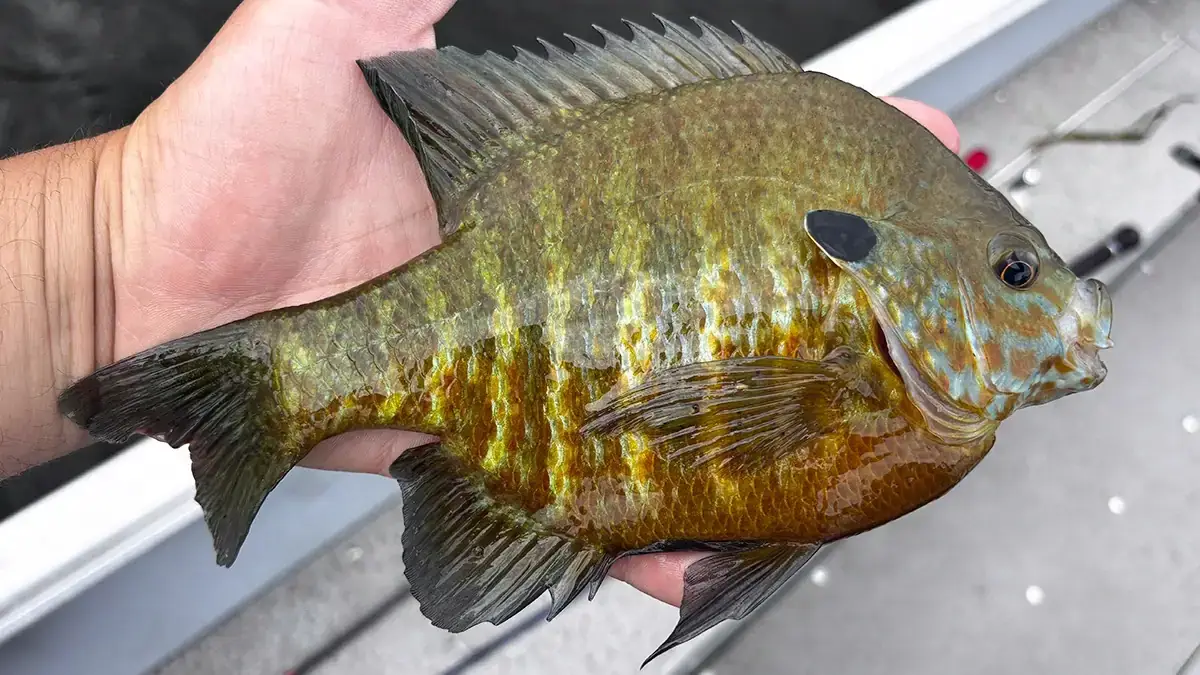
Another presentation that has become one of my favorites for deep-water panfish is a small fly tied on a dropshot rig.
Most think of dropshotting as a bass technique, but there’s no reason to limit its use. A dropshot is an excellent way to keep a tiny bait suspended just above the bottom where panfish are feeding. That’s especially true around vegetation where panfish are pecking invertebrates off the weeds.
Small nymphs, wet flies, midge patterns, and other miniature flies can be extremely effective. The advantage is that you can put your bait directly in front of fish without constantly moving it away. I’m a huge fan of a San Juan Worm-style pattern, as it imitates a lot of the red worms that live within the mats of vegetation in the summertime.
I’ll use an ultralight spinning rod, light line, and a small dropshot weight under 1/8-ounce. Once I locate panfish schooled up on my electronics, I can drop the rig down to their depth and barely shake the rod tip. Sometimes, the fly will only move an inch or two — and that’s all that it takes to get bit.
Small Plastics Have a Place
There are more micro-sized plastics available today than ever before. Tiny curly-tail grubs, small tubes, miniature creature baits, and little paddle tails can all produce when panfish are feeding deep.
The advantage of these micro plastics is that you can match whatever the fish are eating while still having enough action to attract them. A tiny curly-tail grub or small boot-tail swimbait is a great example. Even though the bait may only be an inch or so long, the tail produces movement with very little effort. It can be slowly crawled along the bottom or suspended above structure. Baits like a two-inch Keitech Swing Impact have a lot of salt in the bait to make it flexible: With the slightest reel, that bait looks extremely natural swimming through the water.
Don’t be afraid to go ridiculously small. If you think your bait is too tiny, it might actually be just right. And just because it’s a little bait doesn’t mean that it will only attract small panfish.
Let the Electronics Find the Fish
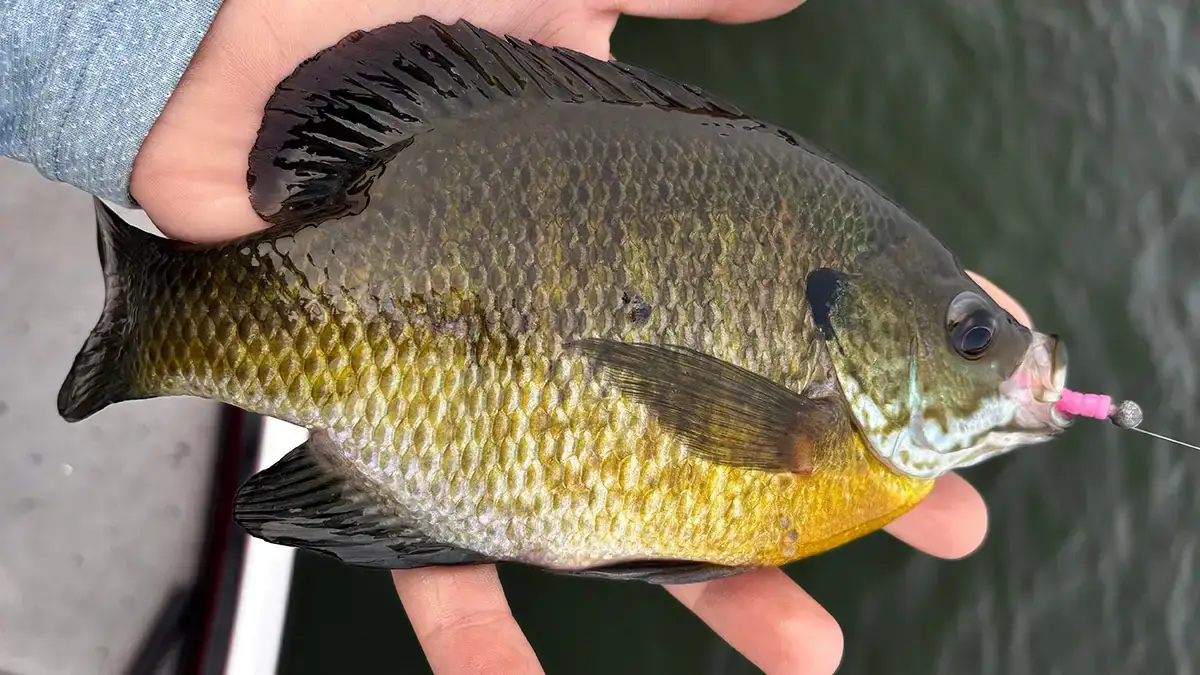
Downsizing your bait doesn’t matter if you aren’t putting it in front of fish. During the summer, I spend more time looking for panfish than I do fishing. Deep water and even open water over structure can hold huge numbers of fish, but they aren’t necessarily spread evenly across the lake.
Electronics can help locate suspended schools, deep weed edges, drop-offs, and other areas where panfish concentrate. Once I find fish, I want to know their exact depth. If they’re suspended 15 feet down over 30 feet of water, there’s no reason to fish the bottom. You need to keep the bait in the strike zone as long as possible to get a bite.
Sometimes you can see these schools moving through open water. I spend a lot of time scanning off weed beds with my Garmin Livescope looking for isolated schools of crappie and bluegills. Sometimes these fish will be suspended only a few feet below the surface over 20 to 30 feet. That’s where a small fly on a dropshot or a micro plastic beneath a float can really shine.
Light Gear Makes It More Fun
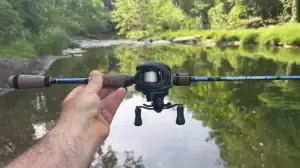
Fishing tiny baits is where ultralight equipment really earns its keep. A light spinning rod paired with a small reel and lightweight line allows you to both cast micro baits farther and detect subtle bites. I generally prefer light braid with a fluorocarbon leader for these presentations, depending on the situation. I love using either three- or five-pound Power Pro braid to a four-pound fluorocarbon leader. Sometimes, I even go down to two-pound test when the offshore fish get super finicky. It sounds light, but sometimes it can make all the difference when the fish are skittish and pressured.
The lighter the presentation, the more natural the bait tends to look. And when a big summer bluegill eats a tiny bait on ultralight tackle, you’re going to remember that fish.
Think Small When Getting Bites Gets Tough
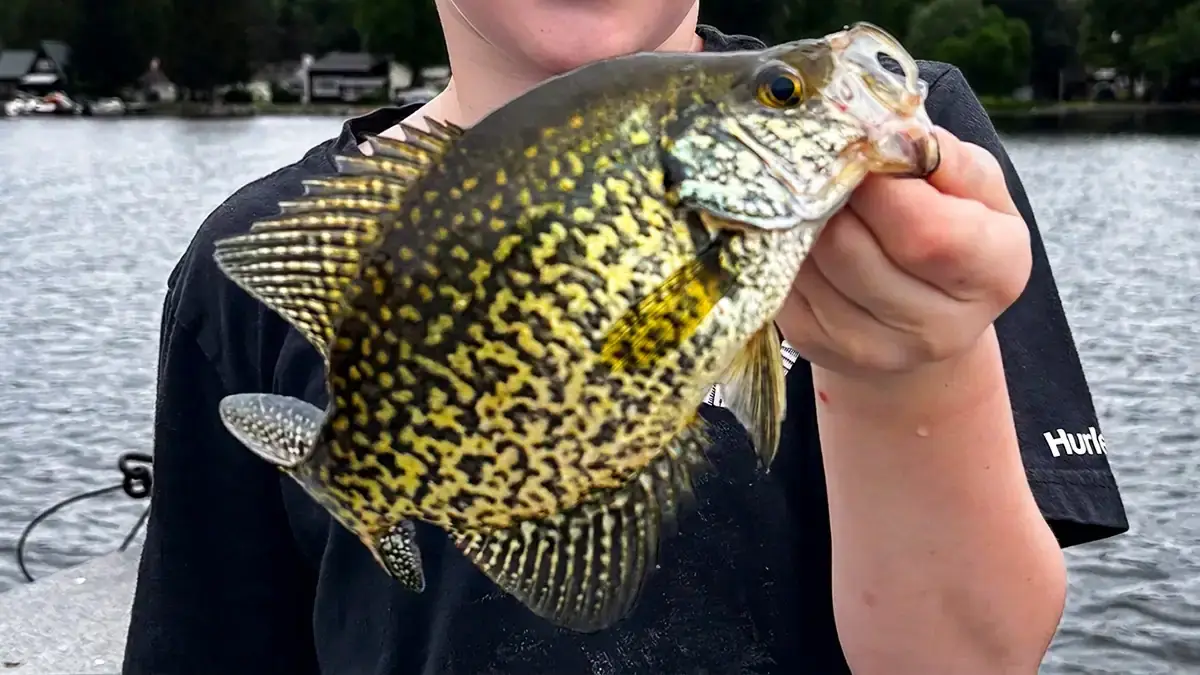
Deep, offshore summertime panfish don’t always need a complicated presentation. Sometimes they just need something that looks like what they’re actually eating.
When the water is hot and the bite gets tough, I start thinking smaller. A downsized bait can turn a frustrating day into one of the most productive outings of the season. The biggest lesson is simple: Don’t assume bigger fish require bigger baits. Some of the largest panfish in the lake spend their summers feeding on incredibly small forage. Match that forage, find the fish, and slow down your presentation. You just might be surprised by what you find.