In the mood for a whopper of a fish story?
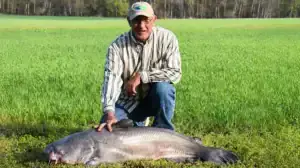
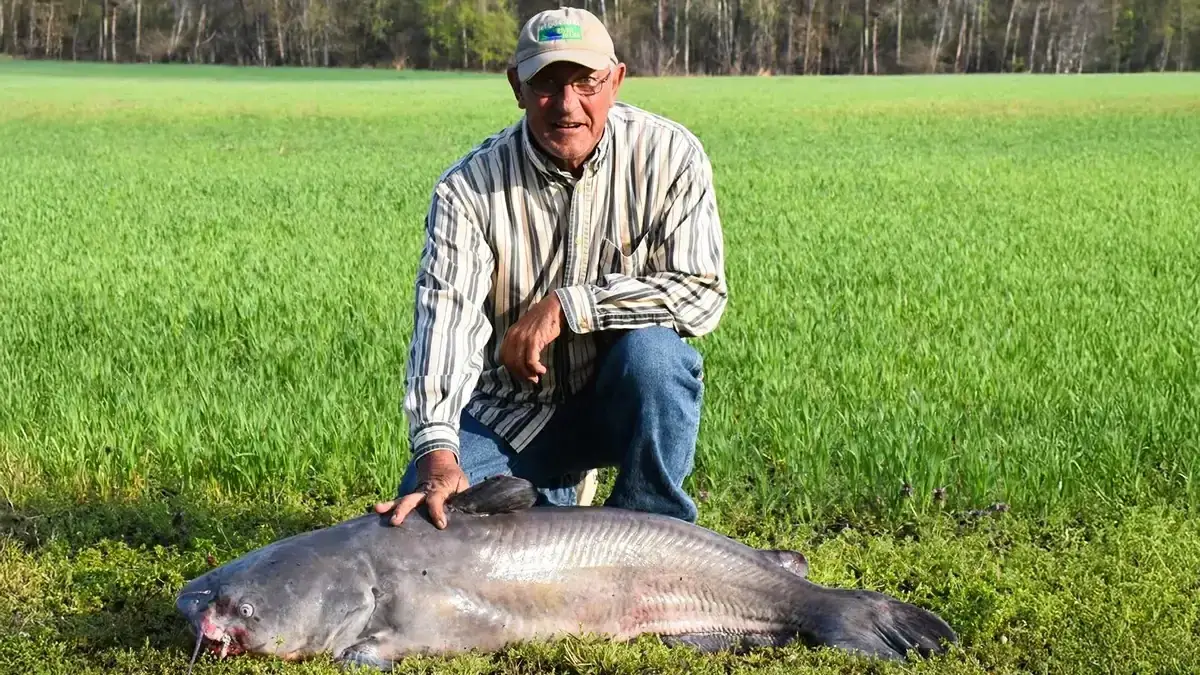
Check out the tale that self-proclaimed river rat Soda Popp spins about the 100-pound blue catfish he caught about 10 years ago on the Missouri River.
A Catfish Tale
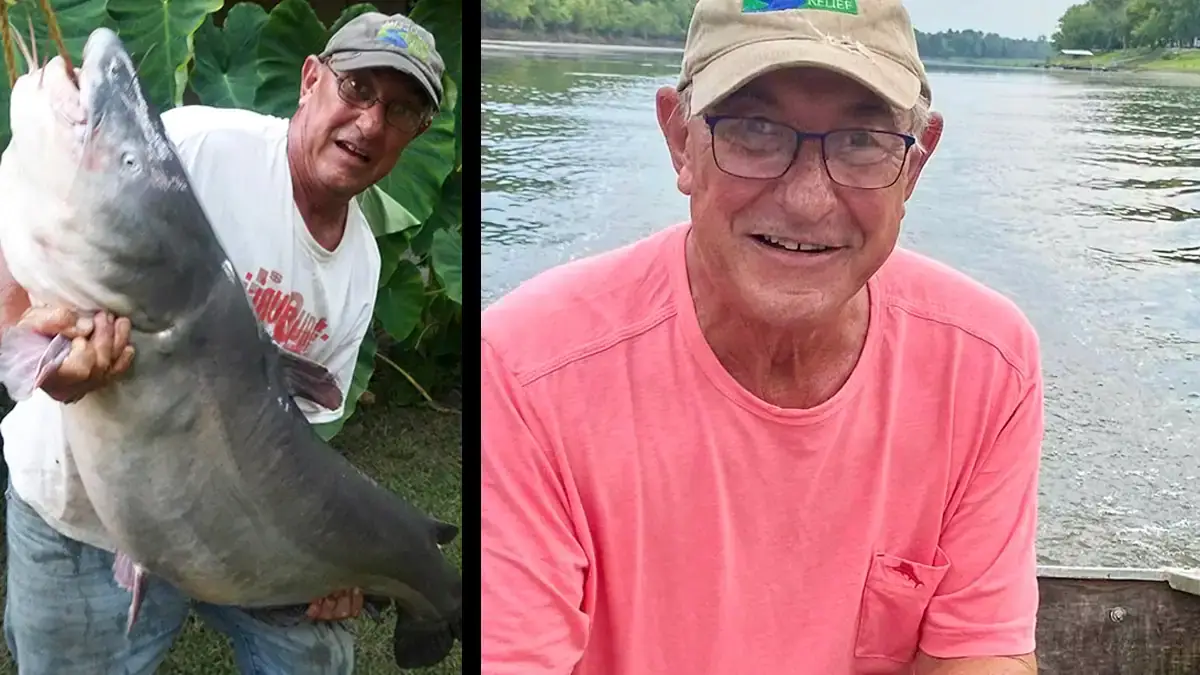
“It was in the middle of summer, and it was hot,” Popp told Wired2fish. “I set my trotline the night before, then I came back in the morning to run it.
“At first, I didn’t think I had anything. Then I lifted one end of the trotline and there was a huge blue cat on it. He was playing possum on me in that hot water. I just lowered that fish back into the water and called my friend to help me get it out.
“He came over and it took both of us all we had to lift the net with that fish in it. My buddy threw out his back and I had to get him to the truck. Then I had to get the fish into the bed of that pickup, too.”
Popp paused, then continued his story.
“I had the hooks baited with bluegills that day,” he said. “I had a couple dead ones that were only three inches long and I put those on the last hooks, closest to the bank.
“Wouldn’t you know, that’s one of the baits that big catfish hit?”
Popp insists he isn’t making things up. Just like he insists that Soda is his real name, not a nickname.
“My mom wanted to give me a name that people would remember,” said Popp, 74, who lives on the Osage River near where it joins with the Missouri River in central Missouri.
“Back then, there were a lot of people who would name their boys Thomas, Sam, John, things like that. But I’ve never heard of another Soda.”
Yes, Soda is unique. He’s a catfish-catching, turkey-hunting, river-loving, morel-picking original.
Popp’s Early Life on the River
Popp definitely stands out, and not only because of his name.
He isn’t some old hermit content to live someplace in the woods. A retired school teacher, he followed family tradition by living on a riverfront farm: His grandparents did it, and so did his parents.
He has spent more than 50 years living on land once owned by his grandmother.
There’s plenty of family history there. Popp was born in Jefferson City, Missouri, but was introduced to river life at a young age.
He spent summers on his grandparents’ farm on the Osage River. He and his brother had short bamboo rods and they would turn over cow piles to gather worms for bait. Then they would fish the stream that meandered through the property.
“We would carry an old paint bucket with us,” Popp recalled. “We would throw all the bluegills we would catch into the bucket and carry them back to the house. My grandmother would clean them and fry them up for us for dinner.”
When the flood of 1973 destroyed his grandparents’ house, Popp and his teenage friends turned the old structure into a clubhouse — and a base camp for their fishing and hunting adventures.
Eventually, that structure became unsafe, but Popp dreamed of one day building another house there.
When he started teaching, he would set aside $200 from each paycheck to slowly build the house from scratch.
“It was a slow process, but I made it happen,” he said.
‘A Great Place to Live’
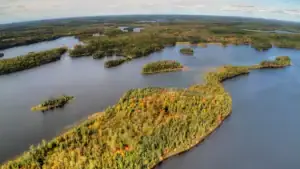
Popp lives in a house situated on a peninsula separating the Osage River from the Missouri. There’s water on two sides of his farm, and timber on the other two sides. His neighbors are big catfish, deer, and turkey. And that’s just the way he wants it.
He respects the rivers, and his farmhouse on the Osage shows it. His dwelling on family land sits on an eight-foot-tall wall to protect it from floods.
High water has affected him and his family in the past, rushing through lower floors of their houses. But that hasn’t persuaded Popp to move. He’s lived on the Osage for more than 50 years, and he isn’t about to change that.
“We’ll see floods almost every year,” he said. “We have one to two weeks a year when things are bad. But you have 50 weeks when it’s a great place to live.”
Chasing Giant Catfish
In his younger days, Popp did quite a bit of rod-and-reel fishing. He would trap minnows in streams, then use them for bait.
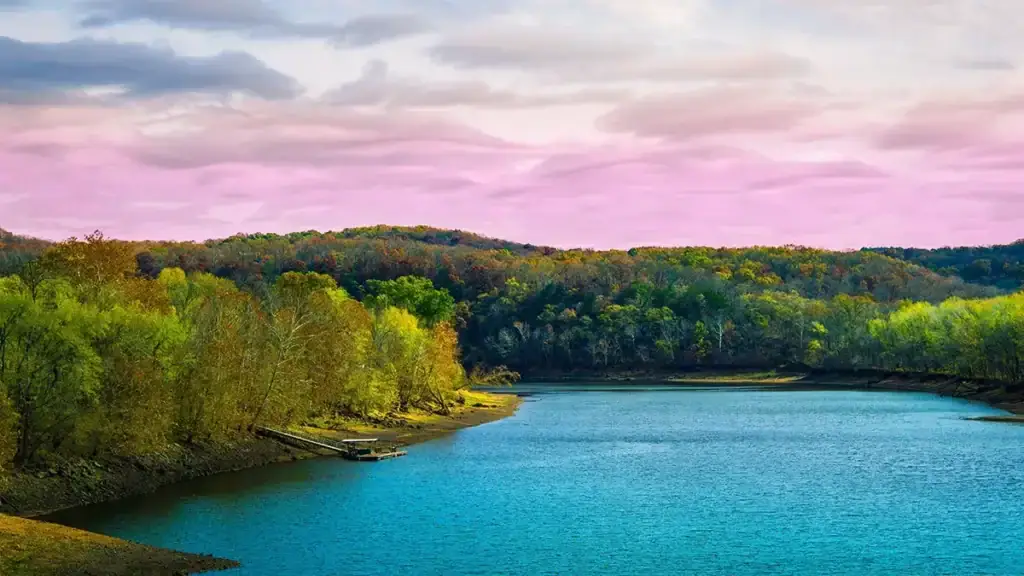
He has flat-bottomed boats on his land on both the Missouri and the Osage, and he picks his fishing spots by season. Now that he is older, he is content to run trotlines below the dikes. He looks for moving water, generally the whirlpools in deep holes, and sets his lines at the edge of that current.
Bait is never hard to come by. In fact, most days, it jumps into the boat.
“These rivers are full of Asian carp now, and the catfish love ‘em,” Popp said. “I’ll run my boat through quiet areas and they’ll just jump everywhere. Some of them will land in my boat, and I’ll just cut them up and have fresh bait.
“I’ve caught some big blue cats that way. Every season, we’ll get some 50- to 60-pound fish.”
The Good Old Days
Popp talks about the golden era of catfish angling on the Missouri River in the present tense.
The size of the catfish is better today than it was years ago. That positive trend started in 1992, when commercial fishing for catfish was halted not only on the Missouri portion of the Missouri River but also in neighboring states.
Major weather events such as flooding have affected fishing from year to year. But the overall trend is climbing.
“Years ago, when I was in my 30s or 40s, you never saw anybody out on those rivers,” said Popp, who now spends the winter is Brownsville, Texas. “The Missouri was looked at as a big, brown monster. Your parents and other folks would say, ‘Don’t go out on that river, it will kill you.’ But that’s not true. I mean, you have to respect it. But I think more and more people are realizing that it’s not some monster that will swallow you up.
“For me, it’s always been a great place to live and fish.”