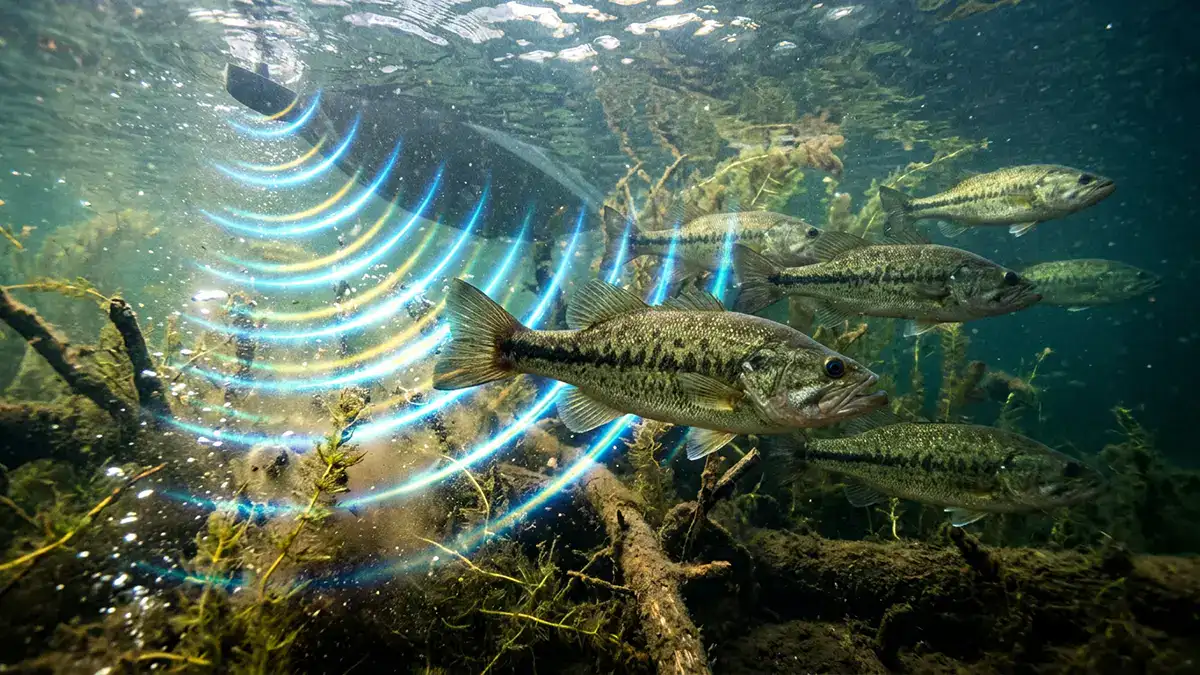
In a move that’s sure to ruffle some scales, international record-keeping organizations announced today the creation of a brand-new category for trophy catches: the “Forward-Facing Sonar (FFS) Division.”
The decision comes after years of spirited dock talk, tournament debates, and more than a few side-eye glances at weigh-ins.
“This isn’t about limiting innovation, it’s about recognizing it properly,” said Dr. Leonard Troutmeasure, spokesperson for the International Committee of Aquatic Record Integrity (ICARI). “Anglers are using incredible tools today. We felt it was time the record books reflected how those fish were actually caught.”
New Columns in the Record Books
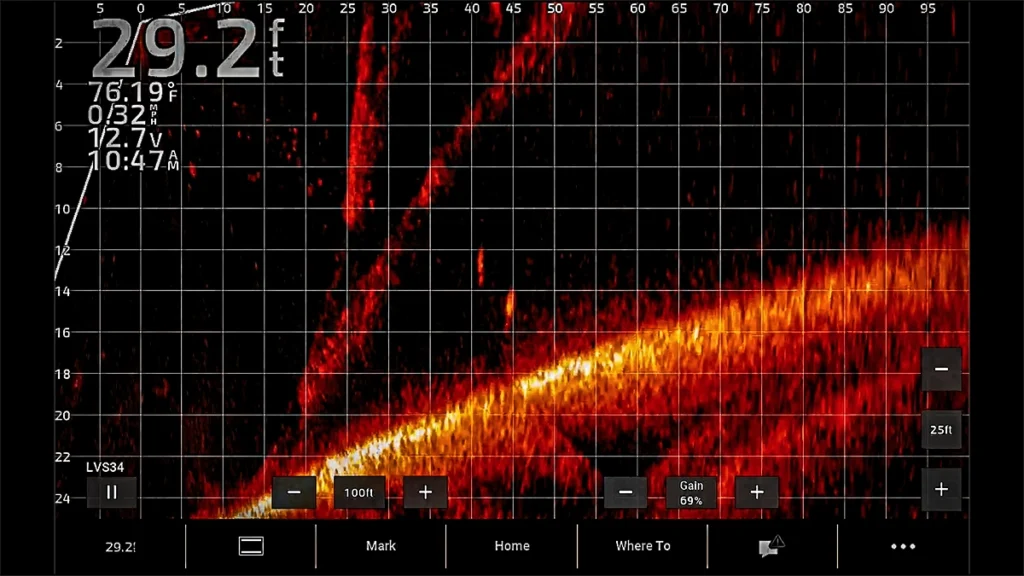
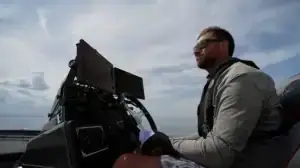
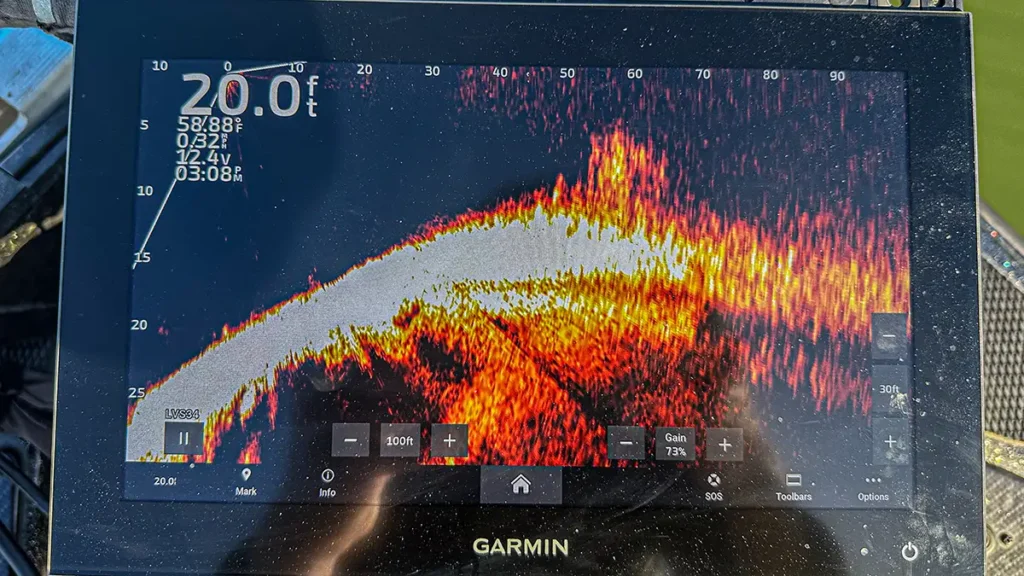
Forward-facing sonar, also known as FFS, is a real-time imaging technology that allows anglers to see fish, structure, and their lure moving in front of the boat, rather than just below it like traditional sonar. Using high-frequency sound waves, FFS systems create detailed, live images of the underwater environment, often extending 50 to 100 feet or more ahead, depending on conditions and settings. This gives anglers the ability to locate individual fish, track their movement, and even watch how they react to a bait in real time. As a result, forward-facing sonar has transformed modern fishing by making it more visual and interactive, helping anglers make precise casts, adjust presentations on the fly, and target fish with a level of accuracy that was previously impossible.
Under the new system, record fish will now be categorized not only by species, weight, and location but also by method, including whether forward-facing sonar was used in the catch. According to the announcement, the new division will include subcategories for “FFS-Assisted,” “FFS-Verified,” and “Traditional” (Non-FFS) catches.
For a fish to qualify for the FFS-Assisted category, the angler may use FFS to locate structure or weedbeds, but cannot use a livescope sonar system to find and watch the individual fish. The FFS-Verified category is for fish that were caught with the direct aid of FFS; including fish that were located and tracked prior to the strike. No live sonar may be used at all for the Traditional category.
“We’re not taking anything away from anyone,” said Marla “Scale Check” Jennings of the North American Freshwater Records Alliance. “If anything, we’re adding context. It’s like noting whether a fish was caught on fly or conventional gear, just updated for 2026.”
The “Asterisk” Gets Official
The move acknowledges a long-running sentiment among some anglers that fish caught with forward-facing sonar come with what many jokingly call an “asterisk.”
“I’ve got nothing against forward-facing sonar,” veteran guide Buck “NoScope” Drayton tells Wired2fish. “It’s amazing technology. But when you can watch a fish react to your bait in real time, that’s a different game than chunking a jig at a brush pile and hoping for the best.”
Others agree that the new division simply formalizes a distinction anglers were already making.
“Let’s be honest. Guys have been whispering about this for years,” said tournament angler Randy “SideScan” Belcher. “Now it’s out in the open, and everybody’s on the same page.”
Not Without Its Critics
Of course, not everyone is thrilled with the change.
“This feels like we’re splitting hairs, or splitting lines, I guess,” joked Lawrence “LiveScope Larry” Wilkins, a self-proclaimed electronics enthusiast. “Fishing evolves. Nobody put an asterisk on the first guy who used monofilament instead of braided linen.”
Others worry the move could unintentionally divide the sport.
“We should be celebrating big fish, period,” said Tina “Topwater Tina” Alvarez. “Whether you found it with your eyes, your instincts, or your screen, you still had to make it bite.”
Supporters argue the new system could actually reduce controversy rather than create it.
“Instead of arguing about whether a catch ‘counts,’ we can just appreciate it within its category,” said Earl “The Weighmaster” Dobson of the Global Angling Standards Council. “An FFS record is still an incredible achievement. A traditional record is too. Now they can stand side by side.”
When Do The New Categories Start?
The new FFS division is expected to go into effect immediately — just in time for most of the fishing to occur in the Northern Hemisphere.
Early rumors suggest several anglers are already preparing submissions, including one unnamed crappie fisherman who allegedly said, “I’ve been practicing for this my whole life… or at least since I updated my graphs.”
As with any big change in fishing, opinions will vary. But one thing is certain: Whether you’re staring at a screen or a shoreline, the pursuit of the next record fish just got a little more interesting. For more info on the new rules, and to submit a record of your own, click here.
Editor’s Note
If this story reeled you in — hook, line, and sinker — you’re not alone. This piece was part of our annual April Fools’ tradition here at Wired2Fish. While we’re passionate about bringing you the most accurate and helpful fishing content year-round, we also like to have a little fun on April 1st.
We hope you got a laugh out of it and appreciate you being a great sport. Now, back to the real tips, tactics, and gear you can count on every day.— The Wired2Fish Team