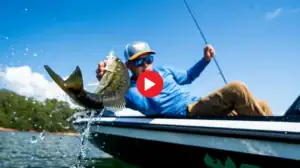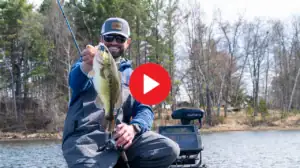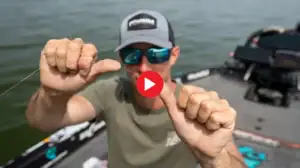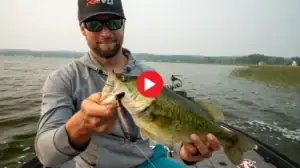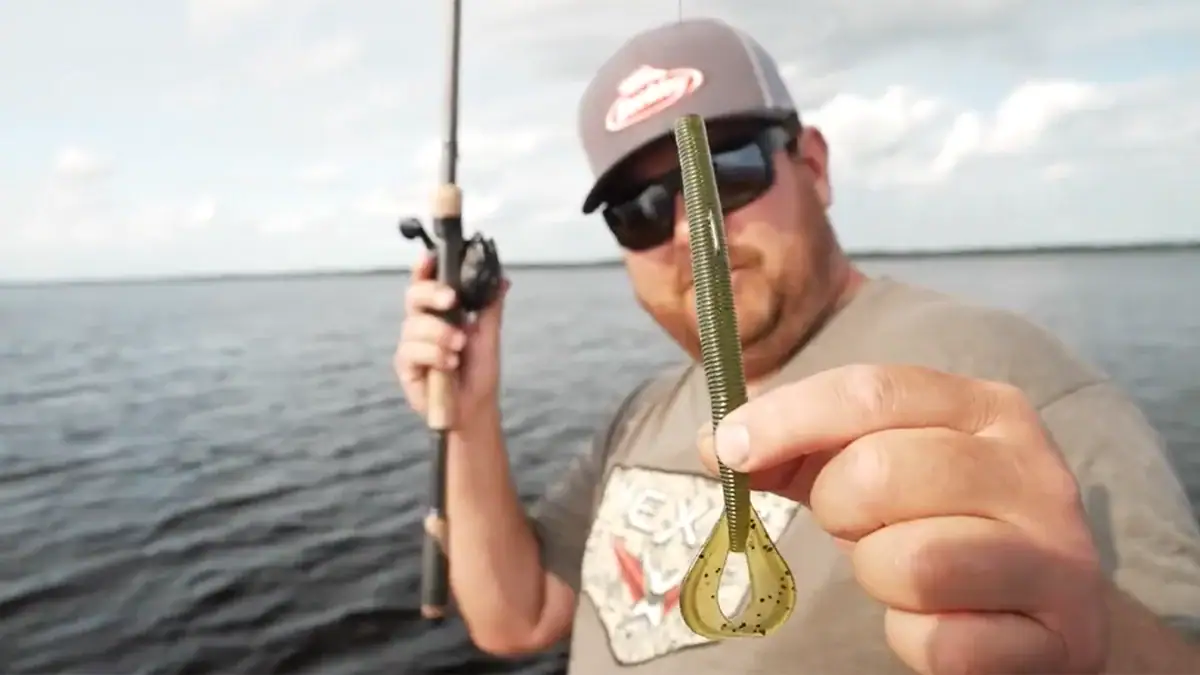
Fishing large flats can make locating bass difficult. John Cox focuses on covering water to solve that problem. He keeps moving until fish show themselves. This approach helps him locate active fish in shallow water. Once a strike happens, Cox slows down. He works the same area again to confirm the bite. This small adjustment often leads to more catches.
Featured Product
- WORM – Berkley PowerBait Speed Boss Worm: Buy at Bass Pro Shops | Buy at Tackle Warehouse
- ROD – Fenwick World Class Bass Casting Rod 7’5″ Heavy: Buy at Bass Pro Shops | Buy at Tackle Warehouse
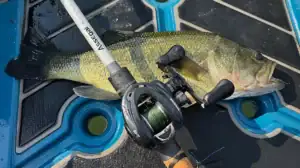
- REEL – Abu Garcia Zenon MG-X Casting Reel: Buy at Bass Pro Shops | Buy at Tackle Warehouse
Why a Speed Worm Works
A speed worm is a strong choice for covering water quickly. While many anglers fish it below the surface, Cox prefers a topwater retrieve. He often describes it as a “soft plastic buzzbait.” This presentation creates a steady buzzing action across the surface. It draws attention and triggers aggressive strikes. Blowups help pinpoint where bass are holding on shallow flats.
How to Get More Bites
After a blowup, Cox stays in the same zone. He casts back to the exact spot to trigger another strike. Bass often hit more than once before getting hooked. If a fish follows but does not commit, he changes his approach. He lets the worm sink and slows his retrieve. This mimics an easy meal and often gets a reaction. Making repeated casts also helps. Fish may strike again when the bait returns to the same location.
Tackle and Rigging Setup
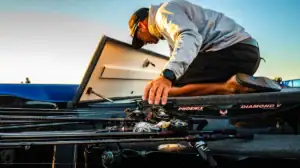
Cox uses a longer rod to increase casting distance. This helps cover more water with each cast. In heavier vegetation, he uses a heavier power rod for better control. He rigs the speed worm weedless so it moves cleanly through cover. A Texas-style setup works well in grass and shallow water. Keeping the bait streamlined improves its topwater action.