The world of fishing vessels is wide and varied. You can find everything from boats that pack down into a backpack for storage and transportation, to vessels that are better measured in meters and have enough horsepower to start their own racetrack. It can be tough to decide what is right for you.
The first thing to know is that there’s no such thing as a “perfect” boat. Boats are a series of compromises. They are designed to do one thing well, which unfortunately means they won’t be as good at other tasks.
A boat designed for fishing often has an open floor plan, with plenty of room to cast and fight fish. But all that open real estate doesn’t leave much room for creature comforts, like a big old lounge chair.
On the flip side, a pontoon boat is basically a floating living room, with sofas, grills, and even the occasional waterslide. If you’re looking for quality time with the family, these are hard to beat. But while you can certainly fish off a pontoon, all these accouterments can get in the way.
So when you’re shopping for a boat, you need to decide what your priorities really are, and use that to guide your decisions. To help you decide, we’ll lay out the types of vessels, as well as their pros and cons.
Types of Fishing Boats
Fishing boats come in many shapes and sizes, each designed for specific waters, target species, and fishing styles. Whether you’re casting in a quiet pond, floating a creek, or hitting a lake measured in miles, choosing the right type of boat can make all the difference in comfort, safety, and success.
We’ll go over a few of the more common types here, but this is in no means a comprehensive list. There are many more types of boats: If none of these seem right for you, keep searching. As my wife says, there’s a lid for every pot.
Inflatables
Inflatable boats, including float tubes, offer anglers a lightweight and highly portable way to access hard-to-reach fishing spots. Ideal for small lakes, ponds, and calm reservoirs, these compact watercraft allow fishermen to quietly maneuver into shallow areas where larger boats can’t go. Float tubes are typically powered by fins, giving anglers hands-free control while casting, and many models include storage pockets for tackle and gear. Larger inflatable rafts may accommodate small motors or oars for added range. Easy to transport, affordable, and simple to store, inflatable fishing boats are a practical option for anglers who value mobility and simplicity. For more info, read our guide to float tube fishing. And be sure to check out our roundup of the best inflatable kayaks and paddleboards for fishing.
Canoes/Kayaks
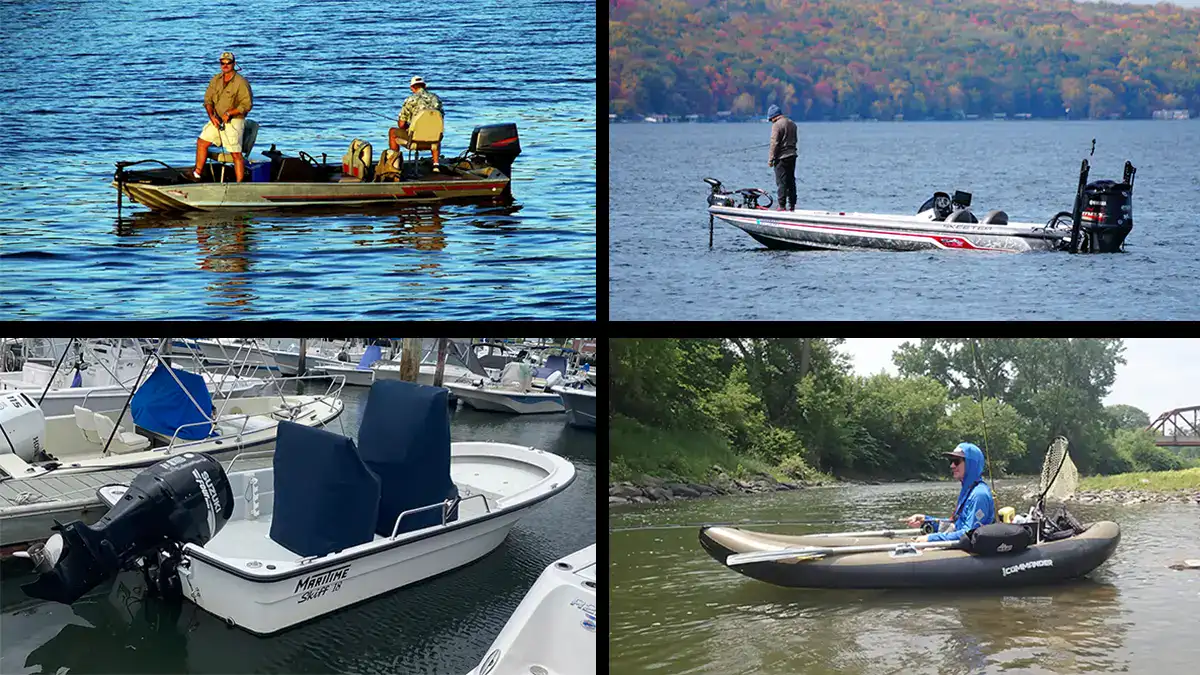
Canoes and kayaks offer anglers a quiet, affordable, and highly accessible way to fish a wide range of waters, from small ponds to winding rivers and even protected coastal areas. Their narrow profiles and shallow drafts allow fishermen to slip into backwaters, shallow flats, and tight cover that larger boats can’t reach. Many fishing-specific models come equipped with rod holders, gear tracks, storage compartments, and even pedal-drive systems for hands-free movement while casting. Lightweight and easy to transport, canoes and kayaks are ideal for anglers who value stealth, simplicity, and the ability to explore remote fishing spots with minimal setup. For more info, read our article on kayak fishing tips to get started. And for help picking out the right kayak for your adventures, check out our guide to the best fishing kayaks and the best pedal kayaks for fishing.
Jon Boats
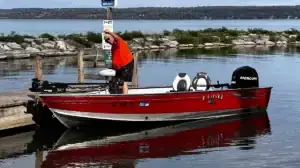
Jon boats are simple, durable, and highly versatile fishing boats favored by anglers who fish shallow waters and backwater areas. Built with a flat-bottom hull—most commonly from aluminum—they provide excellent stability in calm lakes, ponds, and slow-moving rivers. Their lightweight design makes them easy to transport, launch, and maneuver, whether powered by a small outboard motor, trolling motor, or even paddles. With an open layout that’s easy to customize with casting decks, storage compartments, and rod holders, Jon boats are an affordable and practical choice for anglers who want reliable performance without unnecessary complexity. If you want to know more, read our comprehensive article on Jon boats.
Bass Boats
Bass boats are high-performance fishing machines designed specifically for anglers who want speed, precision, and efficiency on the water. Built with sleek fiberglass hulls and powerful outboard motors, they allow fishermen to move quickly between spots and maximize time casting. Elevated front and rear casting decks provide stability and space for accurate presentations, while advanced electronics, such as GPS mapping and fish finders, help locate structure and active fish. With ample rod storage, aerated live wells, and responsive trolling motors for stealthy maneuvering, bass boats are engineered to give competitive and recreational anglers every advantage when targeting largemouth and smallmouth bass. For the whole story of how these specialized vessels came to be, read our article on the long and remarkable evolution of bass boats.
Crappie Boats
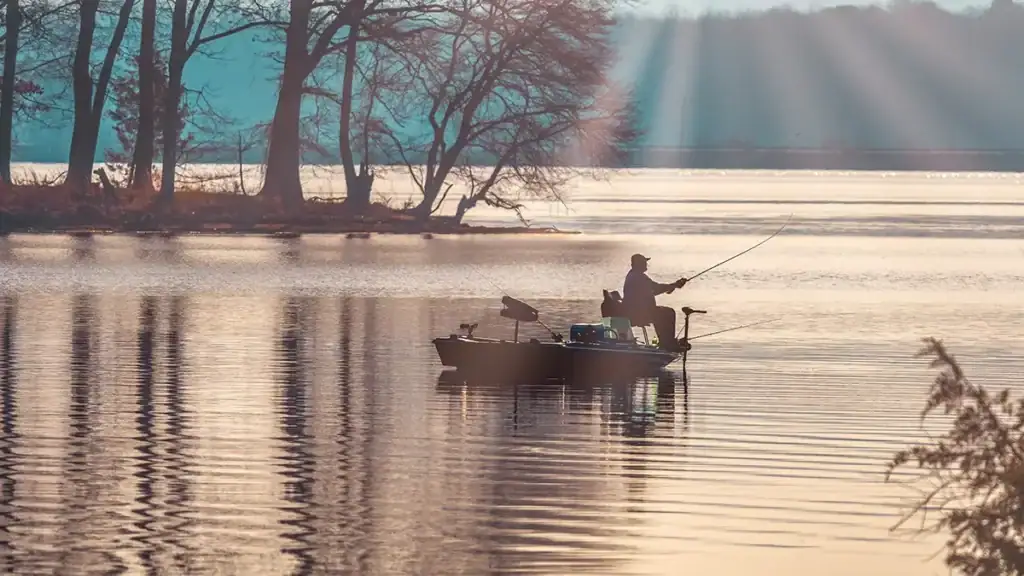
Crappie boats are purpose-built to help anglers maximize efficiency and precision when targeting crappie in lakes and reservoirs. Typically designed with wide, stable decks and multiple pedestal seats, these boats allow anglers to fish comfortably with long rods and tight-line techniques. They often feature advanced electronics such as forward-facing sonar and multiple fish finders to locate schools suspended around brush piles, docks, and submerged structures. With ample rod storage, live wells to keep catches fresh, and trolling motors for quiet, controlled movement, crappie boats are optimized for slow, methodical fishing that’s essential for consistent success.
Walleye Boats
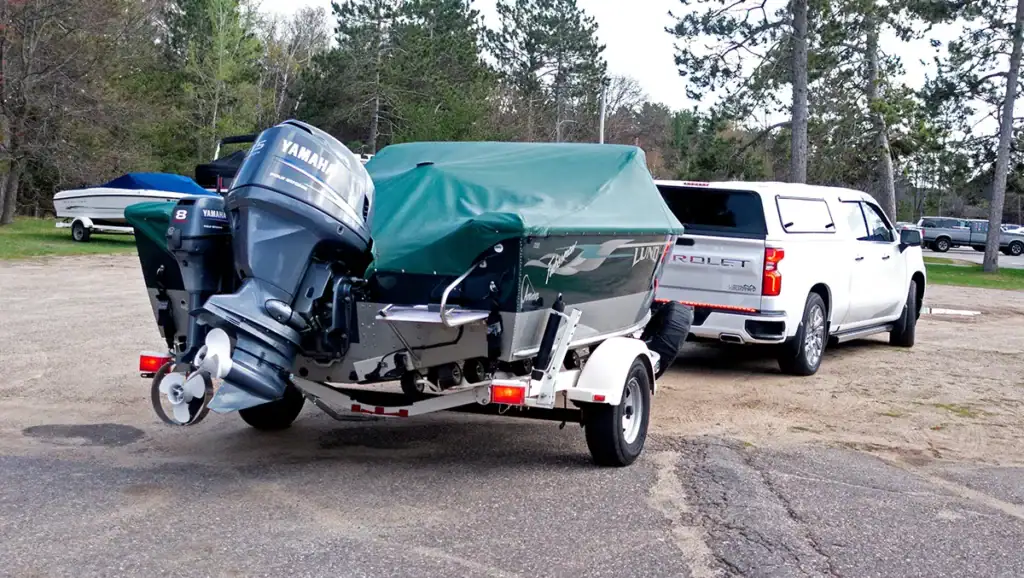
Walleye boats are designed to handle big water conditions while giving anglers the control and versatility needed to target walleye effectively. Typically built with deep-V hulls, they provide a smooth, stable ride in choppy lakes and reservoirs, making them ideal for trolling and drifting in open water. Spacious cockpits, comfortable seating, and ample rod storage support long days on the water, while features like bow-mounted trolling motors, kicker motors, and advanced sonar systems help anglers precisely present live bait or crankbaits along structure and drop-offs. With large live wells and smart storage throughout, walleye boats balance performance, durability, and fishability for serious anglers.
Center Consoles
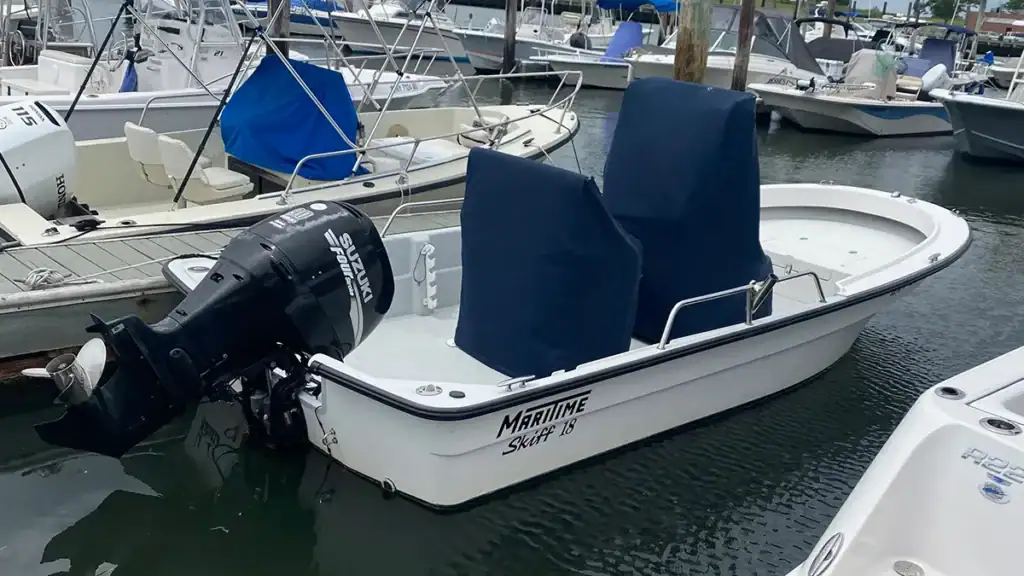
Center console boats are a versatile and popular choice for anglers who want flexibility, performance, and 360-degree fishability. Designed with a helm station positioned in the center of the deck, these boats allow easy movement around the entire perimeter—ideal for fighting fish from any angle. They perform well in both inshore and offshore conditions, often featuring deep-V hulls for a smoother ride in choppy water. Equipped with ample rod holders, live wells, insulated fish boxes, and advanced electronics, center console boats are built to handle everything from coastal casting to offshore trolling, making them a dependable option for serious recreational and sport fishermen alike.
Catfish Boats
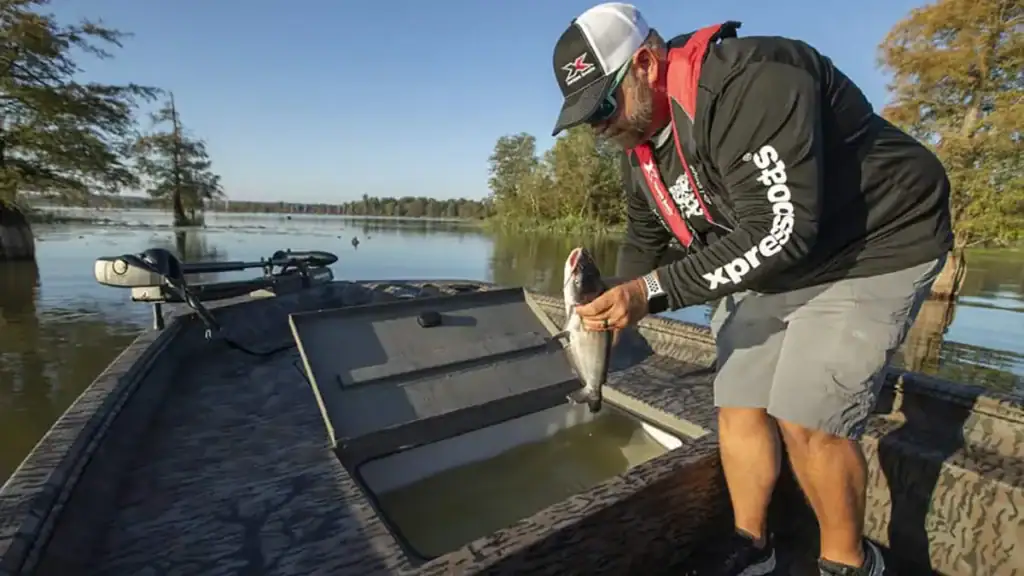
Catfish boats are built for strength, stability, and functionality, giving anglers the durability they need to target big, hard-fighting fish in rivers and reservoirs. Often constructed from aluminum with wide, stable hulls, these boats handle current and rough water with confidence. Spacious open layouts provide plenty of room for multiple anglers, heavy rods, and large coolers, while features like rod holders, drift socks, and powerful trolling motors help control presentation in moving water. With ample storage and large live wells for bait and catch, catfish boats are designed to support long, patient days on the water chasing trophy blues, channels, and flatheads.
Pontoon Boats
Pontoon boats are spacious, stable, and comfortable platforms that make fishing more social and enjoyable, especially for families or groups. Built with wide, flat decks supported by two or more aluminum pontoons, these boats offer excellent stability in calm lakes and slow-moving rivers, allowing anglers to stand and cast with confidence. Many fishing pontoons come equipped with swivel chairs, rod holders, live wells, and ample storage for tackle and gear, while some models even feature small trolling motors for quiet maneuvering. Ideal for leisurely fishing trips, crappie or bass outings, and even multi-purpose recreation, pontoon boats combine comfort, accessibility, and functionality for anglers seeking a relaxed day on the water.
What Materials Should My Boat Be Made Of?
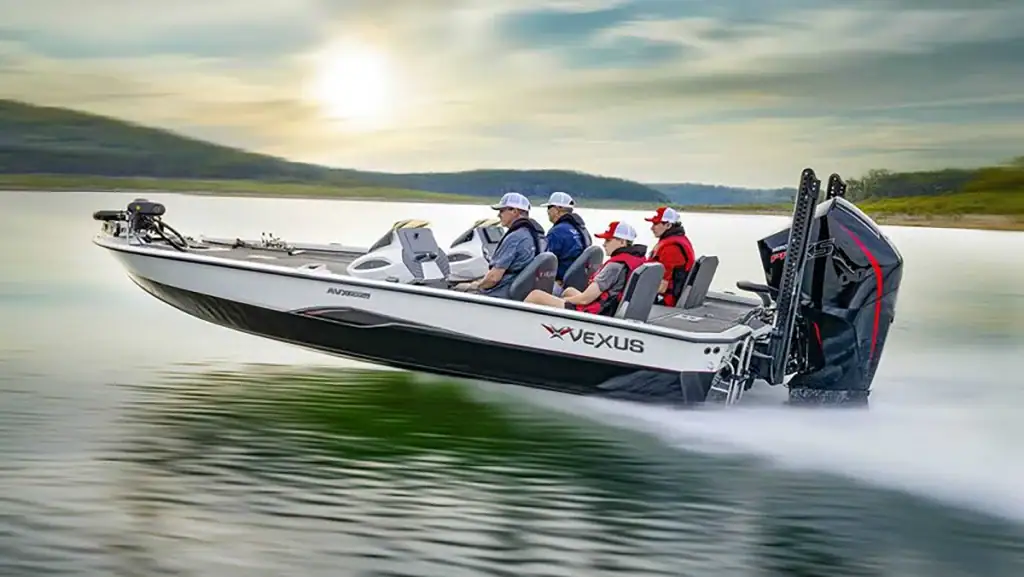
Fishing boats are built from a variety of materials, each offering unique advantages depending on where and how you fish. Aluminum is one of the most popular choices among anglers because it’s lightweight, durable, and resistant to corrosion—making it ideal for freshwater lakes, rivers, and even some saltwater use when properly maintained. Aluminum boats are typically more affordable and easier to tow, launch, and maintain.
In contrast, fiberglass boats are known for their smooth ride and sleek design. Fiberglass allows for more complex hull shapes, such as deep-V configurations, which help cut through choppy water. These boats often provide better insulation from noise and temperature, along with a more polished finish and integrated storage options. For more info on this debate, read our piece on aluminum vs. fiberglass bass boats.
Beyond aluminum and fiberglass, some fishing boats incorporate composite materials and advanced construction techniques for added strength and reduced weight. High-density polyethylene is commonly used in certain small boats and kayaks due to its impact resistance and low maintenance needs. Each material comes with trade-offs in cost, performance, maintenance, and longevity, so understanding how boats are constructed helps anglers choose a vessel that fits their fishing style, local water conditions, and long-term expectations.
How Much Horsepower Do I Need?
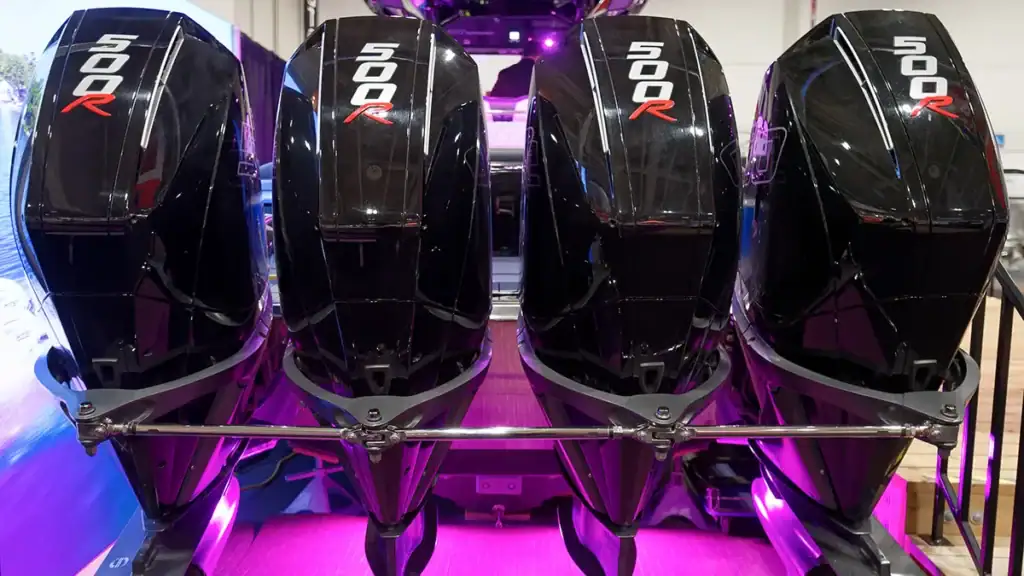
The ideal amount of horsepower depends largely on the size of the boat, type of water it will be used in, and fishing style. Smaller boats — like jon boats, float tubes, and canoes/kayaks adapted for fishing — often require minimal horsepower or none at all. Many jon boats perform well with outboard motors in the 15-30 hp range, which is sufficient for maneuvering in calm lakes and rivers or for light trolling. Similarly, inflatable boats and small fishing kayaks may rely solely on paddles or small electric trolling motors for quiet, controlled movement in shallow or narrow areas where a large outboard would be impractical.
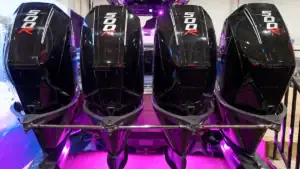
For medium to larger boats, such as bass boats, walleye boats, or center console boats, anglers typically require more power to both reach fishing spots quickly and handle variable water conditions. Bass boats, for example, often use outboard motors ranging from 115-250 hp, providing speed for tournament-style fishing and efficient travel across large lakes. Ultimately, selecting the right horsepower balances speed, control, and safety, ensuring the boat performs well under typical fishing conditions without overtaxing the engine or the angler’s budget. For more info on this subject, read our primer on determining horsepower needs.
Which One Is Right?

Shortly after I got my driver’s license, I bought my first boat: a 16-foot aluminum Grumman with a 25-horsepower motor and a side console. It took me on many adventures; it was perfect for me at the time.
But I outgrew it. I picked out a larger center console that was better suited to my needs at the time. And that was perfect for me, until it wasn’t. Then I got another one, which made more sense for my budding family. And I’ll probably get another at some point.
When you’re trying to pick out a boat, think carefully about how and where you fish, as well as how many folks you’ll be going with. And don’t worry if you don’t get it quite right the first time; you can keep trying until you get it.
Or you can choose to maintain a stable of vessels. After all, the correct number of boats an angler should have is n+1, where n = number of boats you currently have.