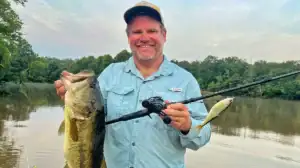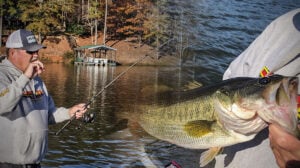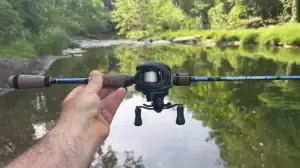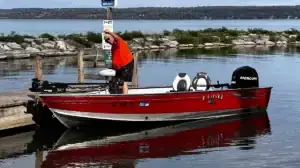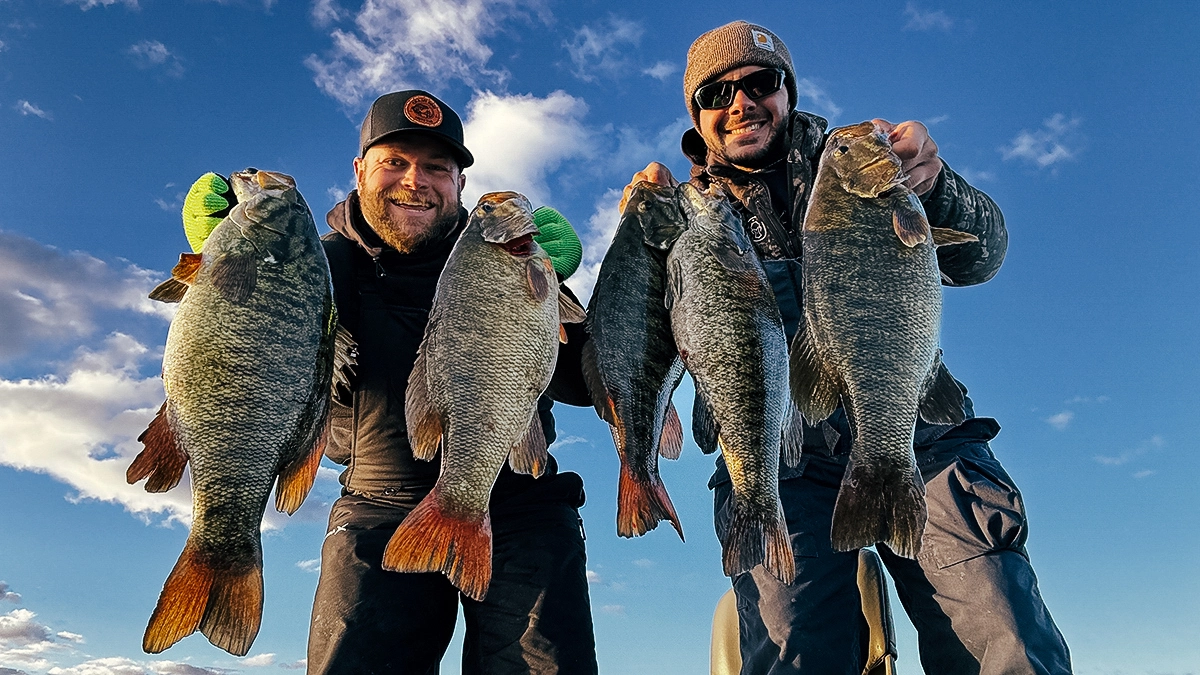
Most folks hang their rods up when the frost starts to creep across the boat ramp and the surface temps dip into the 40s. But for the anglers who stick it out and don’t hop in a treestand or a duck blind, winter is a season of opportunity: quiet ramps, unpressured fish, and the chance to tap into a bite that rewards patience and precision.
Winter bass fishing isn’t about power-fishing your way across a lake; it’s about understanding biology, dialing into subtle movements, and embracing the grind. If you learn how cold-water bass behave and you adjust your approach, winter can be one of the most rewarding times of the year to fish.
I try to put a few deer in the freezer and get my fill of early-season puddle ducks just so I can spend every nice day we get on the water because, for me, this is my favorite time of year for fishing. This is the best season to try and break that new personal best bass, and these fish are still feeding up one last time before many places are locked in ice. Southern anglers don’t get the ice lid we get in the north country, but the bass still have a large dormant period.
Here’s what you need to know about cold-water winter bassin’, which could possibly put your new personal best in the boat.
Understanding Winter Bass Behavior
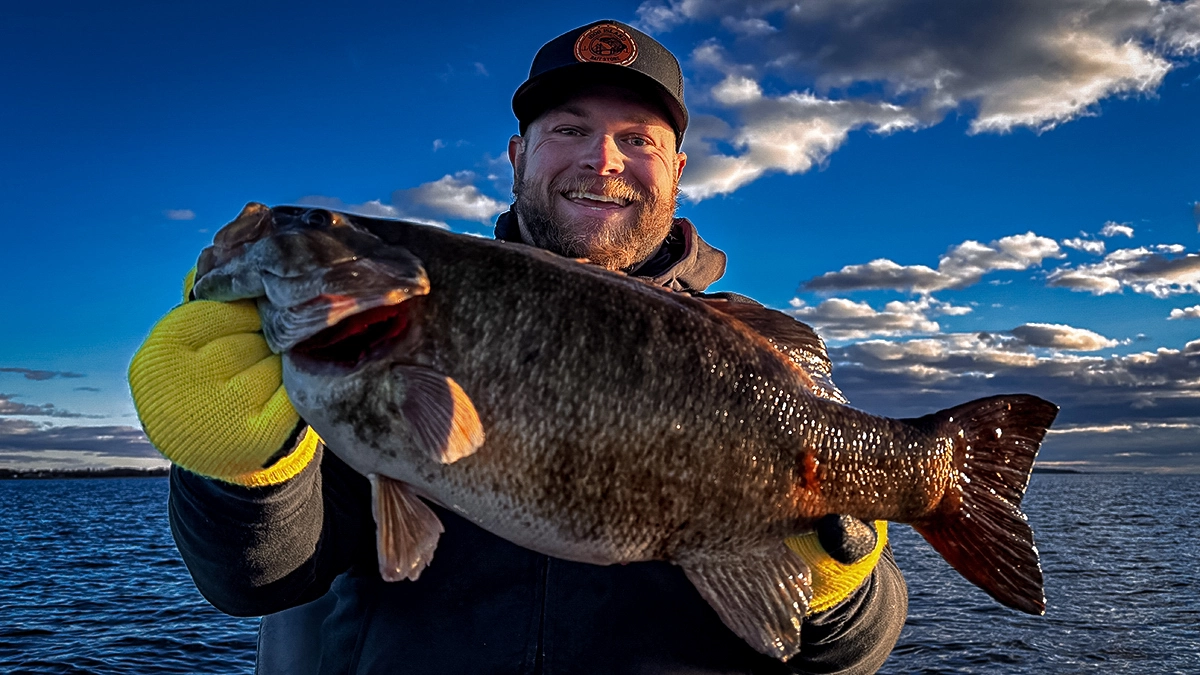
When water temperatures fall below about 50 degrees, a bass’s metabolism slows to a crawl. Bass don’t stop feeding — contrary to what a lot of anglers believe — but they feed with purpose, conserving energy and eating only when the opportunity is easy and efficient. They don’t want to chase a bait or act too fast on reaction strike. They want slow, deliberate presentations and predictable food sources.
Find one bass and there’s a good chance more are nearby because in winter, bass generally group tighter than at any other time of year. You’ll often find them gathered on deep structures: main-lake points, deep holes, bluff walls, or deep rock transitions where they can shift up and down the water column without moving far. Winter is not a season of “random fish.” It’s a season of concentration.
The key to winter success is recognizing that bass aren’t inactive, just efficient. When you locate the right zone and show them something they don’t have to work hard for, they’ll eat it even on the coldest days of the year.
Electronics: Your Winter Best Friend
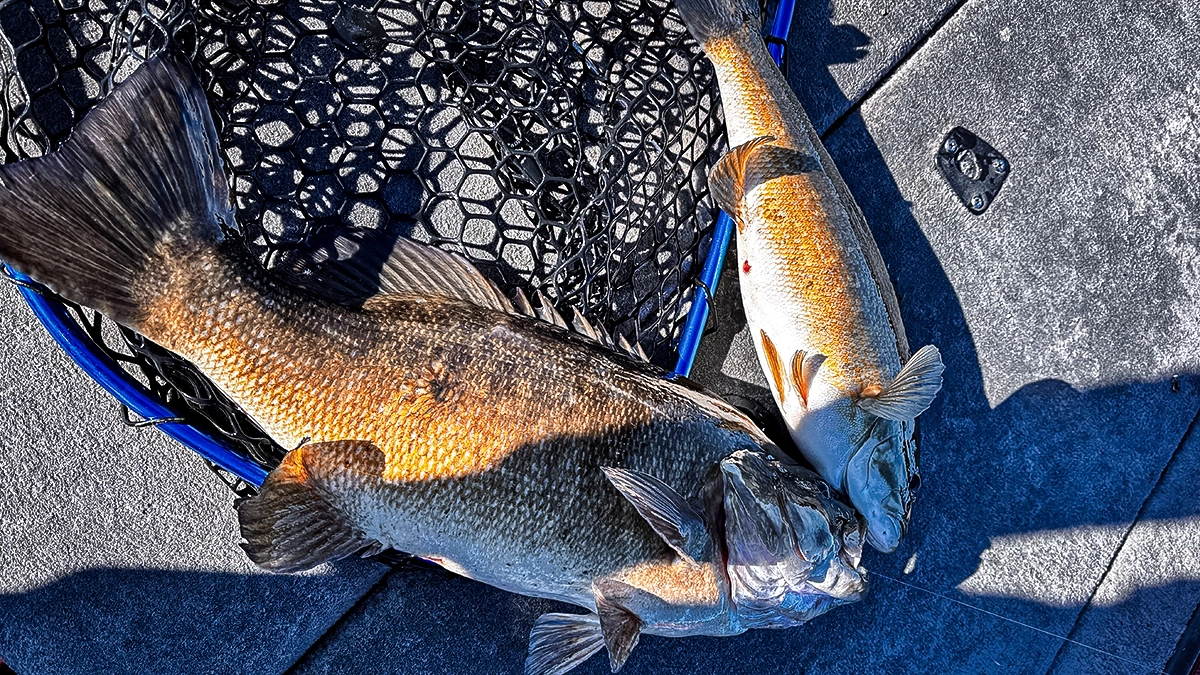
You can catch winter bass without forward-facing sonar or high-end electronics, but there’s no denying that technology shines brightest in cold water when the fish are usually deep. Winter bass hold tight to specific depth ranges and often suspend over bait. On a graph, you aren’t just hunting for fish, you’re looking for life. Bait balls, single arches sitting on ledges, or faint clusters off the ends of points can be the difference between a skunk and a mega bag of bass.
But even without fancy sonar, you can pattern winter structure by understanding where the deepest water meets vertical contour changes. Those steep breaks are natural highways for cold-water fish, especially when accompanied by rock, wood, or a channel swing. I am constantly looking at my Navionics App on my phone before heading out on the water to see what new spots I can find in the winter—sometimes those subtle contour changes are what makes the difference in finding fish. I can then correlate those maps to the same mapping on my Garmin Echomap units to pinpoint those perfect spots.
Winter Baits: Slow, Subtle, and Intentional

When selecting winter lures, the rule is simple: Less is more. Subtle action, slow movement, and natural color schemes consistently outperform loud or aggressive presentations.
Football Jigs
A football jig has become the cornerstone of my winter arsenal. A 3/8- or 1/2-ounce jig with a compact trailer can crawl along the bottom and represent any winter-sluggish forage, like crawfish, gobies, or sculpin. I drag it more than hop it, letting it settle for long pauses. A winter jig bite is often nothing more than pressure or the feel of your line going weightless.
My go-to football jig is custom-made from T’s Tackle in Theresa, NY: Compact and made with no weedguard, this jig is the perfect representation of gobies and crayfish in The Great Lakes and our northern waters. They work on largemouth just as much as they do for smallmouth. I generally pair these jigs with either a 2.75-inch Strike King Rage Swimmer or a Berkley Maxscent Lil’ General. It’s the perfect combo for big cold-water bass success.
Blade Baits
There’s something magical about a dense slab of metal in cold water. Whether you’re yo-yoing a blade bait off the bottom or gently lifting it through schools of bait, blade baits mimic dying shad perfectly. That short, tight vibration, like a reaction strike, is exactly what winter bass want. As much as it is a reaction, bass aren’t hunting down moving bait and your retrieve will trigger what makes them bite.
You never want to bring a bait far off the bottom—no more than six to eight inches each pull. Generally, once you lift up the bait and start to vibrate, let it vibrate a few clicks and then sink to the bottom. There are a plethora of blade bait options on the market, and it’s all personal preference, but my favorites are a Fish Sense Binsky or a Molix Trago Vib. Both baits provide excellent action and a tight wobble to trigger those lethargic strikes.

Jerkbaits
The winter jerkbait isn’t about ripping and popping like you would in spring. It’s about long pauses, sometimes 10, 20, even 30 seconds long. Let the suspending bait hover in a fish’s face. Natural shad colors and translucent patterns shine brightest in clear, cold water.
If you twitch a jerkbait like you’re impatient, you’re doing it wrong and probably won’t get a bite. This is where I turn to a Megabass Vision Oneten +2. The large bill and tight action get those sluggish bass to bite.
Downsizing to Small Plastics
A Ned rig, small swimbait, or small tube are all perfect when bass barely want to move because they imitate the smallest, easiest meals in the water. Drag them, shake them subtly, or swim them painfully slowly near the bottom, just get it to the bottom and keep it there.
Bottom contact is super important since bringing that bait off the bottom in any way will inhibit bites. Great Lakes Finesse makes a wide variety of plastics that do this job perfectly. Whether it’s the Ned Bug, Dropkick Shad, Juvy Craw, or Flat Cat paired on their stealth ball or tube heads, Great Lakes Finesse has you covered.
Alabama Rig
If there is a winter cheat code, the A-rig is it. It mimics a tight, slow-moving school of baitfish, and that’s exactly what winter bass are keying on. Fished near bait or suspended off structure breaks, it’s one of the few lures bass will chase even in the cold.
I’ve found that most bass will follow the rig, but getting them to commit can be difficult. “Flexing” the rig with your reel is important, which you can do by popping your rod. My favorite way is giving a few fast revolutions of the reel handle, keeping the bait close to the bottom but giving the rig a darting action to trigger those fish slowly following behind. I am a huge fan of the Yum Flash Mob Jr. or the Browndog Tackle A-Rig. Both are strong to endure full days of fish catching, but light enough to provoke those finicky biters.
Fishing Pace: Slow Wins Every Time

Everything about winter fishing requires slowing down beyond what feels natural. If you think you’re fishing a bait slow, SLOW DOWN! When you think a pause is long enough on a jerkbait, count five more seconds. Winter isn’t a race: It’s a methodical search for specific groups of fish that want very specific presentations. A bass doesn’t want to exert more energy than it has to finding a meal.
Some of my biggest winter bass have come after painfully slow retrieves when I was seconds away from giving up on the cast. In cold water, bass commit on their terms, and your job is simply to give them time.
Weather Matters More in Winter
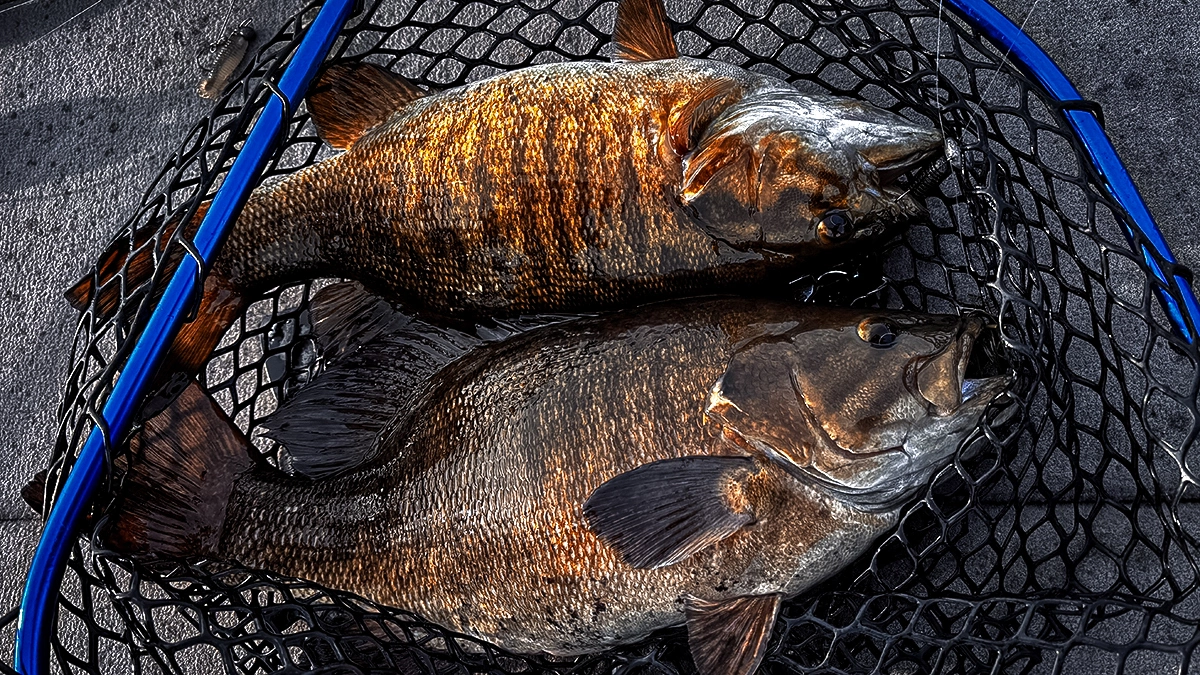
Winter bass are heavily influenced by short-term weather changes. Stable weather, whether warm or cold, is almost always better than drastic swings. A two- or three-day warming trend can jump-start a bite, pulling bass slightly shallower and making them more active.
But don’t overlook cold, high-pressure days. While they’re tough, they can concentrate fish even more tightly on predictable structure, making them easier to locate if not necessarily easier to fool.
Wind is another major factor. In winter, wind not only pushes bait and oxygen but also positions bass along windblown points or bluffs. A little wind can transform an otherwise lifeless winter day into something magical.
Dress Smart, Fish Safe
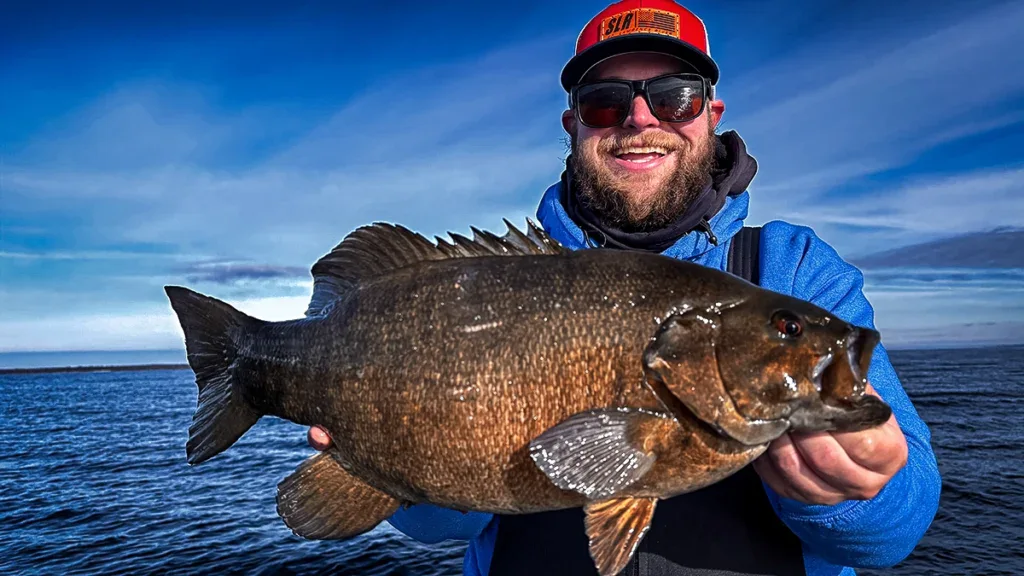
Winter fishing rewards the persistent but it also demands respect. Cold water is dangerous, so safety is non-negotiable. Wear a proper float suit or lifejacket, keep spare clothes in a dry bag, and avoid fishing alone when the water temps are frigid. No bass is worth a cold-water accident.
Let others know where you’ll be fishing and when you intend to return home. Having a plan when fishing in the cold is a must to guarantee safety on the water. Also, always try to fish with a buddy: God forbid something goes wrong, you have someone there to help you or even save your life. Cold water is not something to mess with.
Why Winter Fishing Is Worth It

Winter bass fishing is quiet, it’s methodical, and sometimes it’s brutally slow, so it sure isn’t for everyone. But it’s also one of the best times of year to catch giants. Cold-water bass are thick, heavy, and grouped up. Every bite feels earned, and every fish tells you you’re doing something right.
What I love most about winter fishing is the purity of it. There’s no boat traffic, no wakeboarders, no buzzing jet skis. It’s just you, the lake, and the fish. Winter forces you to understand bass behavior at the deepest level. It sharpens your instincts and teaches you discipline that carries into every season.
When you unlock the winter bite, even just once, you’ll never look at cold water the same way again. You’ll realize that winter isn’t the end of the fishing season at all.