If there’s one bait that deserves a national comeback tour, it’s the tube. Once a staple in every tackle box during the ‘90s and early 2000s, this simple, hollow piece of soft plastic has quietly fallen out of the spotlight.
But those of us who’ve kept it tied on know that the tube remains one of the most versatile, effective, and reliable lures ever made, despite being eclipsed by flashy new soft plastics such as fancy skirted jigs and newly designed swimbaits. Whether you’re after bass, walleye, trout, or even panfish, the tube catches them all and in nearly every body of water in America.
A Simple Design That Does It All
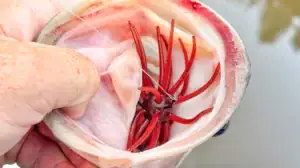
At first glance, a tube doesn’t look like much—just a soft plastic cylinder with a hollow center and tentacles on one end—but that simplicity is the beauty of it. The hollow body allows it to collapse easily on the hookset, leading to great hookup ratios. The tentacles add lifelike movement, pulsating with the slightest twitch of the rod tip. And when you rig it right, whether on an internal jig head, a Texas rig, or even weightless, the action becomes a perfect imitation of nearly anything a fish wants to eat.
That’s the real magic. A tube doesn’t look exactly like one thing, but it looks enough like everything that crawfish, gobies, baitfish, leeches, and predators of all species interpret it as food. Few baits are so adaptable that they can mimic a variety of prey.
Smallmouth: The Tube’s Original Fans
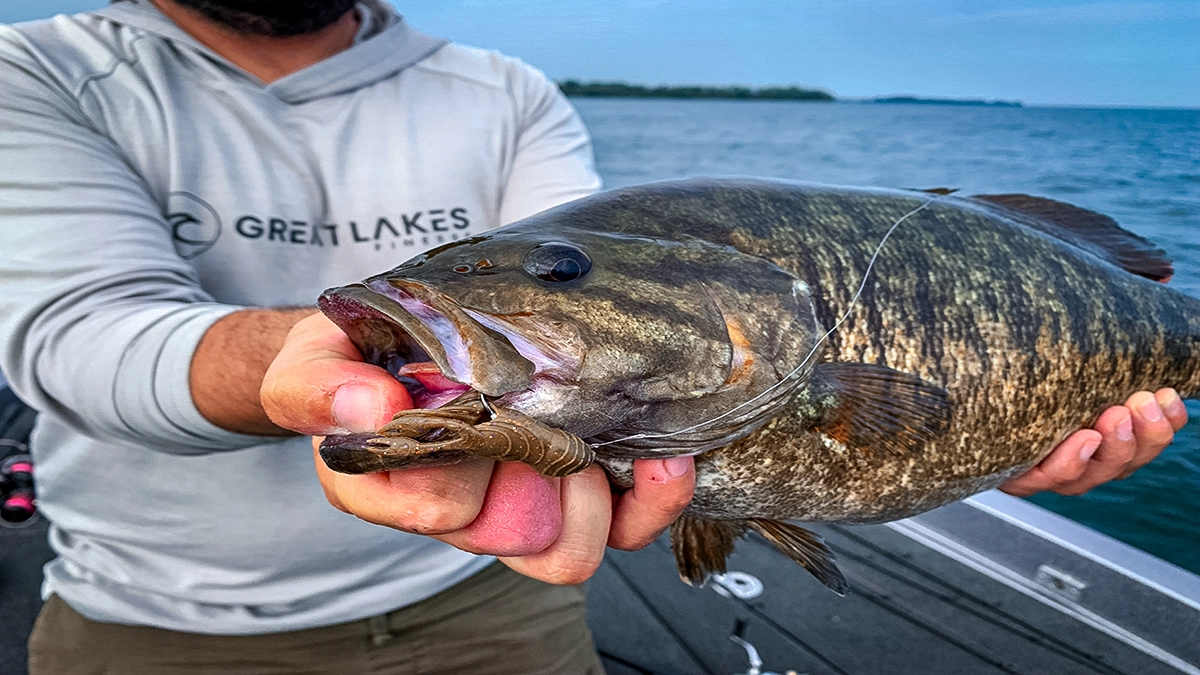
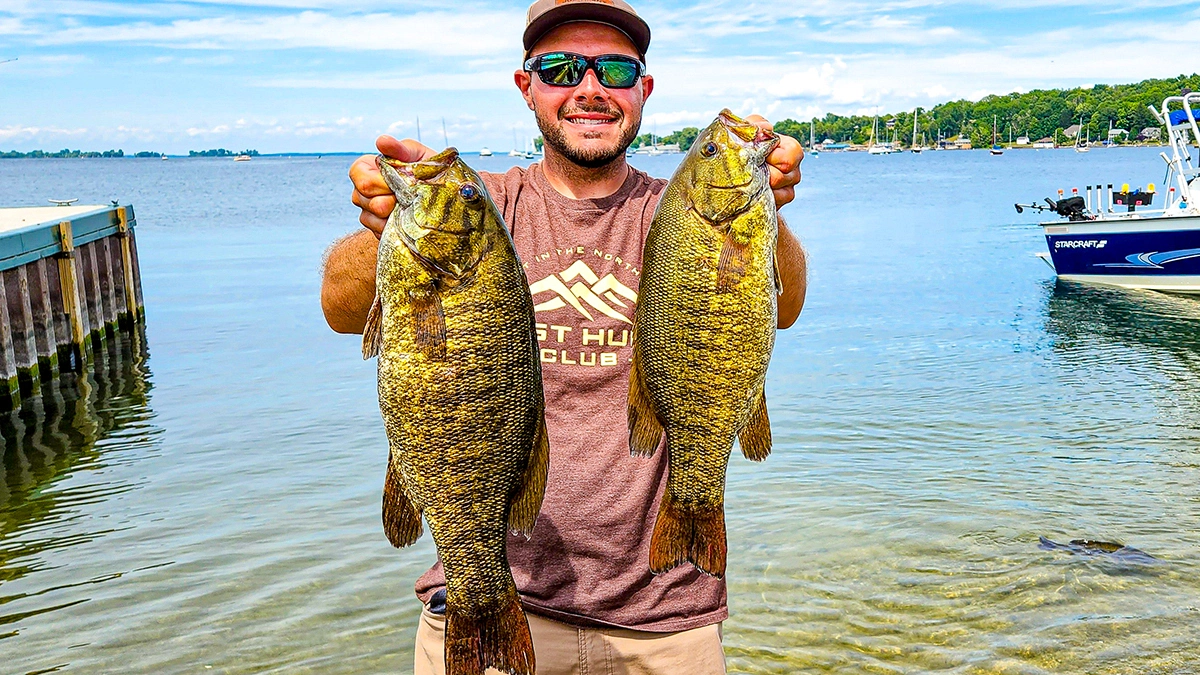
No species has a longer love affair with the tube than smallmouth bass. When the Great Lakes smallmouth fishery exploded in the ‘90s, tubes were the undisputed king. Anglers discovered that dragging or snapping a 3.5-inch green pumpkin tube along rocky bottoms perfectly imitated gobies and crawfish. Even today, many veteran smallmouth fishermen still rely on tubes for clear-water bronzebacks.
What makes them so good is their ability to look natural. A tube spirals as it falls, glides along bottom contours, and mimics a craw scooting from danger when popped off the rocks. You can hop it, drag it, or swim it, all of which the tube does with a subtle, natural motion that doesn’t spook pressured fish. Oftentimes, the long drags are what produce big smallmouth: It’s the “less is more” kind of technique that drives those big smallmouth nuts.
Largemouths and the Power of Versatility
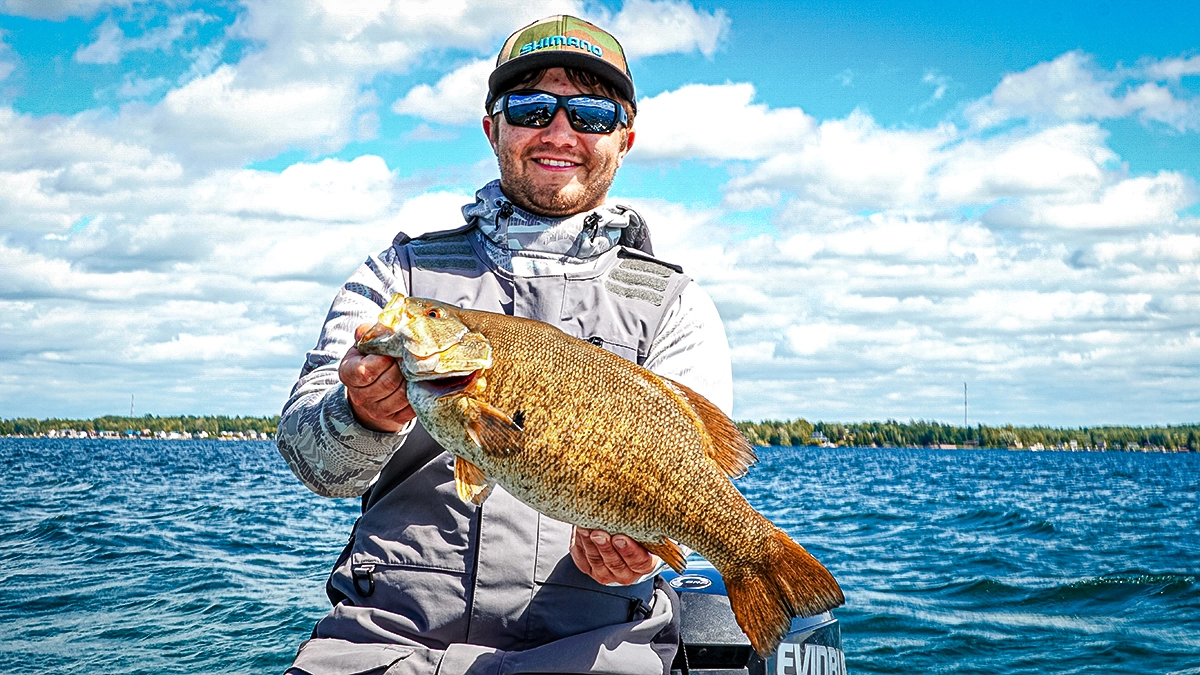
Largemouth anglers, meanwhile, often overlook tubes in favor of creature baits, senkos, and jigs. That’s a mistake, since a tube can fill all those roles—sometimes even better.
Texas-rig it with a larger 4/0-5/0 EWG hook and a big tungsten weight, and it becomes weed-penetrating bait for flipping shallow cover. Add a lighter bullet weight and it’s a killer finesse bait around docks or brush. Rig it weightless and skip it under overhangs where no other bait can reach.
When the bite gets tough, like after a cold front or in heavily pressured water, a small tube can out-produce almost anything. It has a subtleness that looks alive but not intimidating, and it triggers reaction bites without overwhelming cautious fish.
Multi-Species Magic
What really cements the tube’s status as America’s most underrated bait is how many species it catches. Few lures can genuinely claim to fool everything from bluegill to pike, but the tube sure does.
I use a tube for a variety of different fish species and at times, which pays off in big ways. Here are a few other ways tubes attract different species:
- Walleye love tubes dragged along bottom or jigged vertically over structure. The soft tentacles flutter even at slow speeds, mimicking leeches or baitfish.
- Crappies, perch and other panfish devour smaller tubes, especially when rigged on 1/16- or 1/32-ounce heads. In clear water, a 1.5-inch tube fished under a float can outfish live minnows at times. Crappie fisherman in the south love dangling tubes in brush piles to draw out large papermouths.
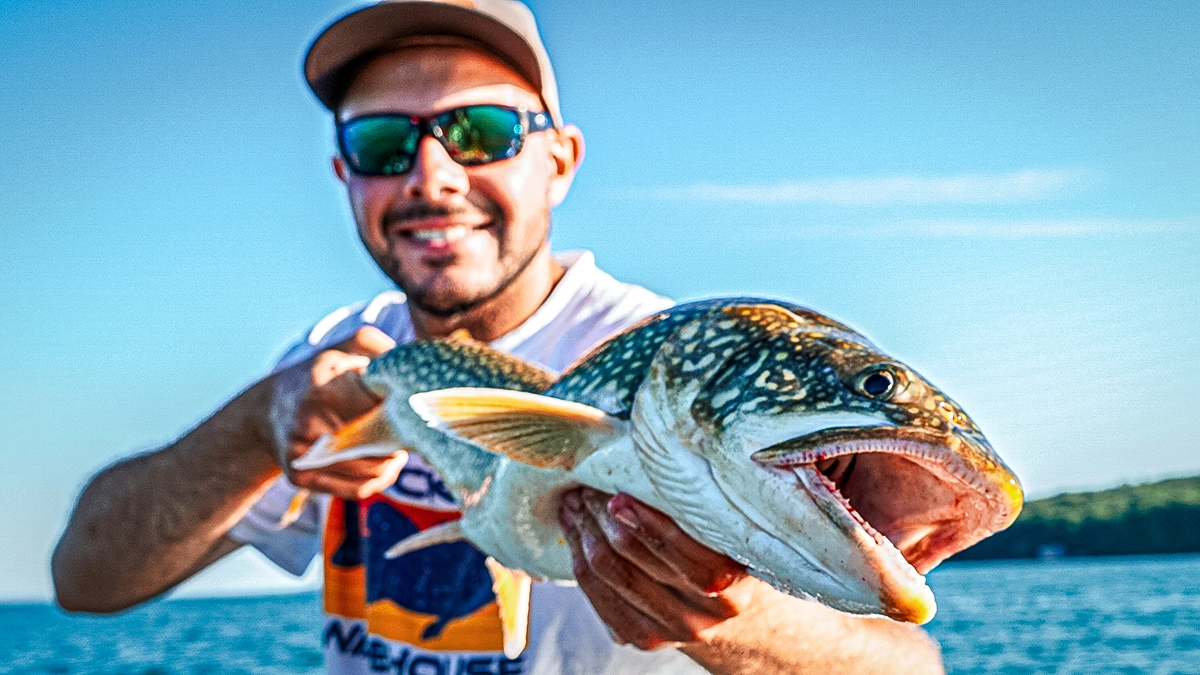
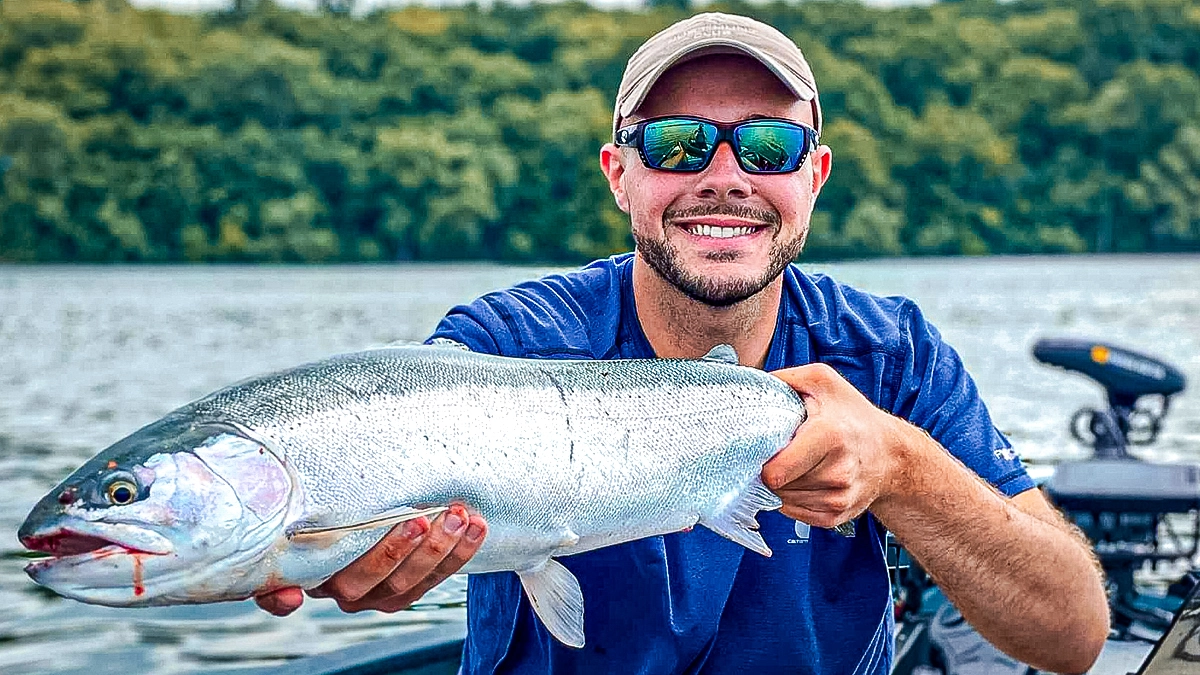
- Trout hit tubes too, especially big lake trout and rainbows vertically jigged in deep water. Whether on the ice or in the summertime abyss, a big white tube rigged on a heavy jighead can work wonders.
- Pike and muskies will crush larger tubes, particularly in spring when they’re feeding shallow and looking for soft-bodied prey. These tubes often imitate big suckers moving to the mouths of creeks to spawn, which the pike and muskies follow.
That versatility means one bait can be your go-to confidence lure on almost any trip. If you only have room in your tackle bag for a single soft plastic, the tube is a strong contender.
Reading Water and Rigging Right
The tube’s adaptability extends to how it’s fished. There are endless rigging options depending on where and what you’re targeting.
- Internal jig head: Classic for smallmouths, it gives the bait a nose-first fall and helps it maintain bottom contact while spiraling naturally. This perfectly imitates a goby or a smallmouth.
- Texas rigged: Great for fishing around weeds or wood. The hollow body hides the hook well, making it snag-resistant. The best choice for flipping grass.
- Weightless: Deadly in shallow water or when fish are feeding high in the column. Skip it under docks, let it fall naturally, and hang on.
- Small External Jighead: The go-to for pan-fisherman and trout anglers. Rigging these small tubes on light little jigheads makes for a great option, opposed to live bait for trout and panfish. Whether it’s a tandem rig or a sing tube, they put panfish in the boat.
Adjust the size, weight, and color to match local forage. Green pumpkin and watermelon red are universal staples, but don’t ignore smoke, black, or white for clear or stained water.
Top Multi-Species Tube Baits
Being that a tube is one of my favorite lures to keep in the boat, I’ve become partial to a few favorites. Here are my top tube baits that I keep in the boat at all times for a variety of fish species.
- Strike King Tubes: Whether it’s the 2.75” Bitsy Tube, 3.5” Coffee Tube, or 4.5” Magnum Flipping Tube, Strike King offers a wide array of tubes, covering all your bases for a variety of fish species—smaller baits for smallmouth, flipping tubes for largemouth, and magnum tubes to jig for trout.
- Great Lakes Finesse Juvy Craw: Great Lakes Finesse has been making waves in the bass-fishing world since it arrived on the scene. Both the 2” and 2.5” sizes paired up with their amazing tube heads play a vital role in my smallmouth catching success. Whether its Finger Lakes or Great Lakes smallmouth, they all gobble them up.
- Bass Pro Shops Crappie Maxx Tubes: Especially when I’m perch and crappie fishing, the 2” Crappie Maxx tube is a stable for fishing on a dropshot or under a slip float. It comes in a wide array of colors as crappies especially are extremely finicky.
Final Thoughts
As fishermen, we’re always looking for that next new best bait on the market, the one that works when nothing else does. But sometimes the secret isn’t new; it’s rediscovering something timeless. The tube may not get the attention it once did, but it’s still one of the most reliable, adaptable, and effective baits ever made.
Next time you’re on the water and the bite gets tough, dig out that forgotten pack of tubes. Tie one on and remember why it earned its legendary status in the first place. You might just rediscover your new favorite bait.