You won’t find Tom Sawvell running up a big bill at a tackle shop, buying plastic baits and crankbaits of every size and color
He would rather make his own.
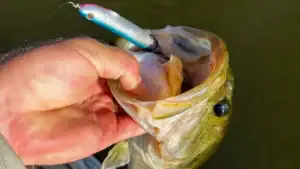
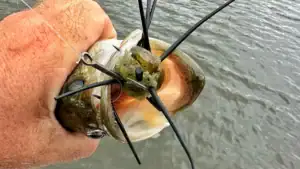
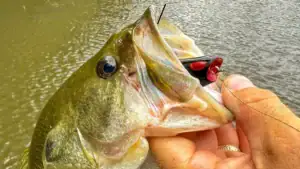
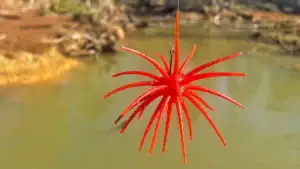
Sawvell is among a growing legion of fishermen with a passion for building baits from scratch. A do-it-yourselfer, so to speak.
“When I was a kid, I didn’t have the money to buy the baits I would see in outdoor magazines,” began Sawvell, 75, a resident of Rochester, Minn. “So I just started making my own. It was so satisfying to catch fish on something I made.“
Anglers like Sawvell are the foundation of companies like Do-It Molds, which cater to fishermen who dream of making bait that outperforms mass-produced varieties.
Do-It Molds comes from humble beginnings. An angler in Waterloo, Iowa, who just wanted to make his own sinkers, jigs, and weights founded the company in his basement in 1959.
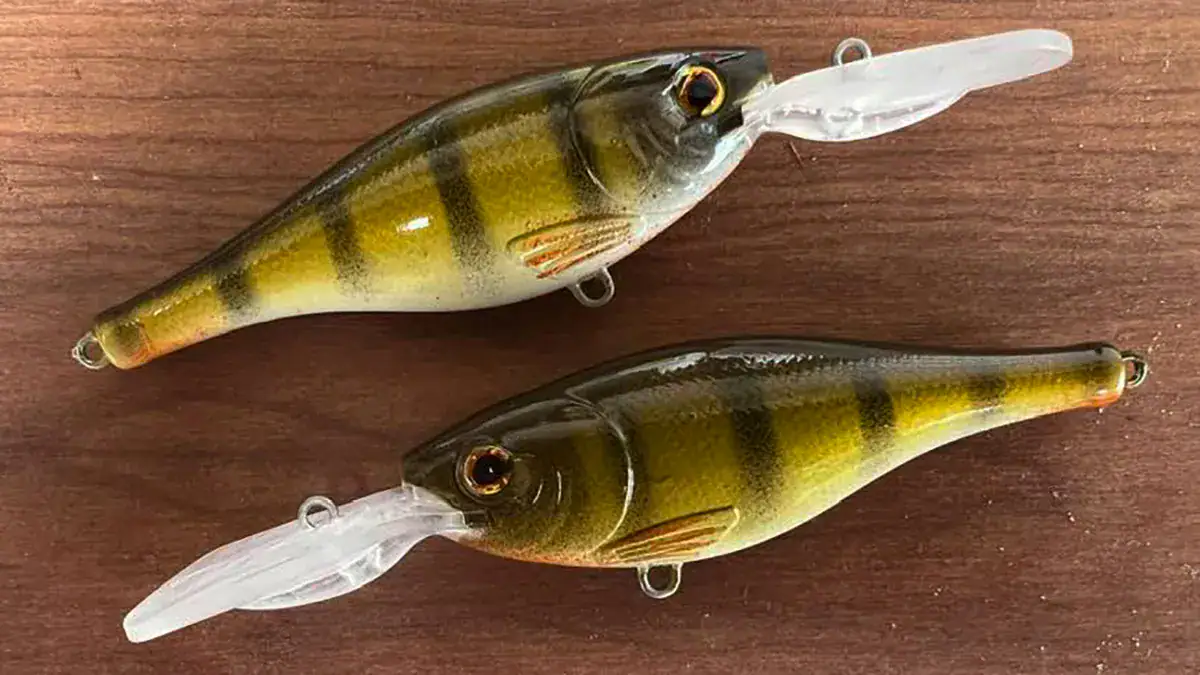
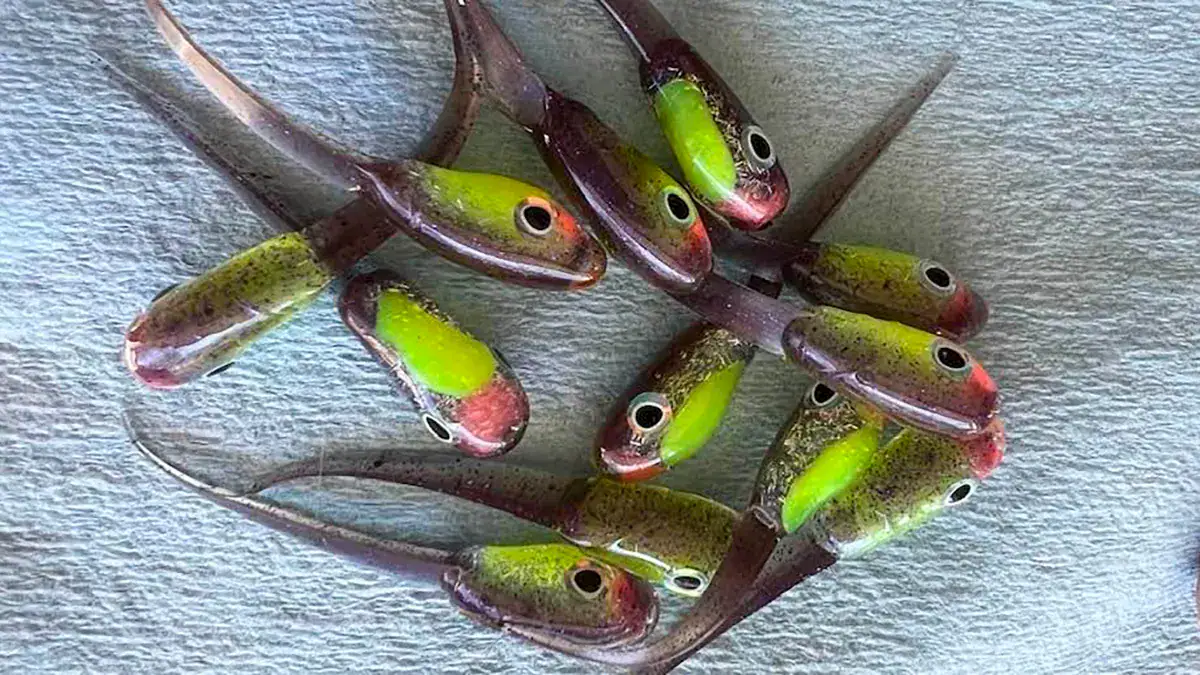
Some ownership changes later, the company today is based in northeast Iowa and has a manufacturing facility, 30 employees, over 700 skews, and one huge following. Do-It sells everything needed to build a hard or soft-plastic lure. That includes molds, crankbait blanks, melting pots, lead, plastisol for soft plastics, airbrush equipment, paint, and more.
But perhaps just as important, it provides how-to videos on its website to walk fishermen through the process.
“I think there are always a percentage of people out there who are hands-on, the type who want to create a better mousetrap,” said Brennan Chapman, product manager for Do-It Molds. “We give them the opportunity to make baits when they want, how they want. They can give the fish something they haven’t seen before. We hear a lot of success stories.”
A Passion for Creativity
Sawvell has been fooling fish with his homemade creations since he was a teenager.
He bought a fly-tying kit advertised in an outdoors magazine, and experimented with making something a trout would eat. Then he showed one of his teachers a tiny gray fly he created, and a lure-builder was born.
“He offered to pay me 50 cents for every fly I could make,” Sawvell said. “Back in those days, that looked like lawyer wages to me.”
Once Sawvell was in high school, he worked with another teacher to create molds for feather jigs to fish for walleyes. Again, success.
“We just caught the heck out of walleyes on those jigs,” Sawvell said.
After graduating from high school, Sawvell took his passion for lure-building even further, buying everything he needed from Do-It Molds. He not only used his creations to catch big fish, but also began a small business called Crappie Tom Tackle.
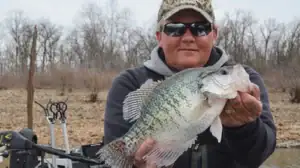
If anyone doubted that his jigs would work, he had photos of the twin 18-inch crappies he and a friend caught on Sawvell’s homemade plastic curly-tail baits.
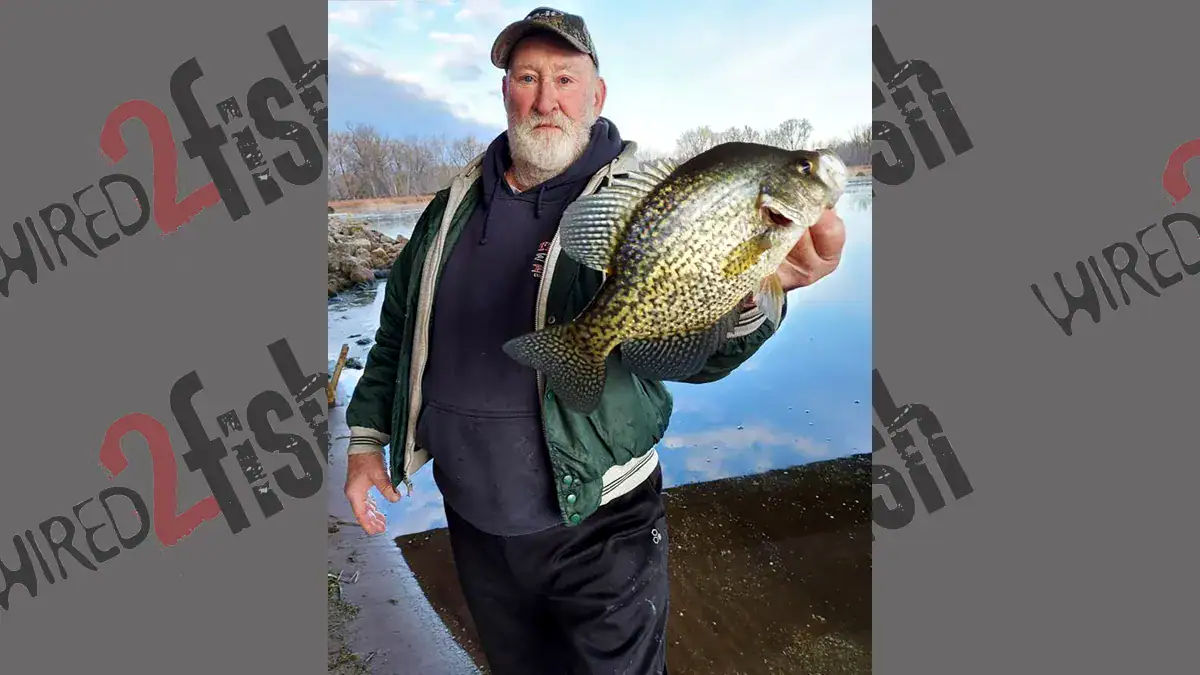
“I am a fanatic about crappies,” he said. “I love catching big fish on baits I’ve made: I haven’t used live bait for years.”
He eventually phased out his business when he was unable to keep up with demand. But he still serves as a lures tester for Do-It Molds, walking down to the creek passing through his property or heading to the Zumbro River a block away to see how fish react to lures made from his molds.
Sawvell has applied to renew his business license to start selling his baits again on a limited basis.
“It’s just something that’s in my blood,” he said.
Trial and Error
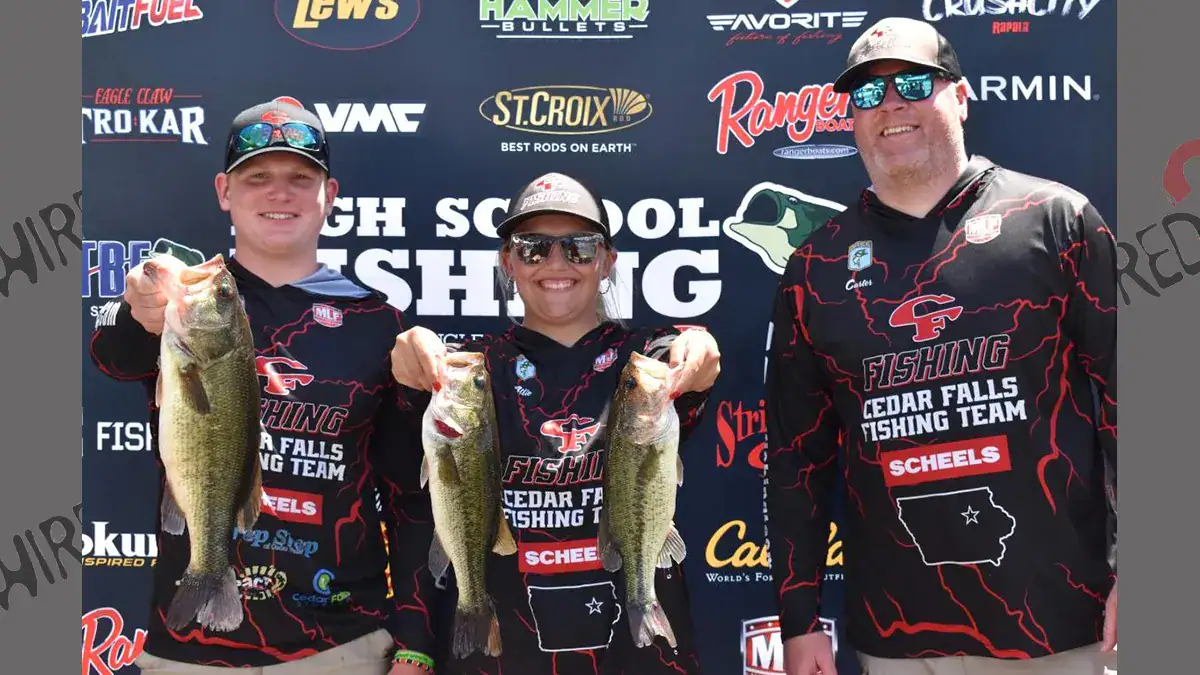
When Carter Moore and his son Kael bought molds and made their own plastic baits, they couldn’t wait to try them out.
The black and blue Senko-type baits looked great, but there was a problem.
“They didn’t sink,” said Moore, a coach for Iowa’s Cedar Falls Fishing Team, which includes students from third to 12th grade. “We couldn’t figure out what we did wrong.”
Moore consulted Brennan and got the answer. They needed to add salt.
Father and son melted the plastic again, added the missing ingredients, and came up with a winner. Now it’s one of the family’s favorite bass baits.
“We catch a lot of bass on those baits we made from our cabin in northern Minnesota,” Moore said.
Other homemade soft-plastic baits have worked equally well. Moore’s son Kael and his fishing partner Allie Wheelock qualified for the National High School Championship held at Grand Lake in Oklahoma. Before they went, they made plastic creature baits in several color combinations. Everything they caught in the tournament came on those homemade lures, and they finished 65th out of 231 teams.
Even the Pros Do It
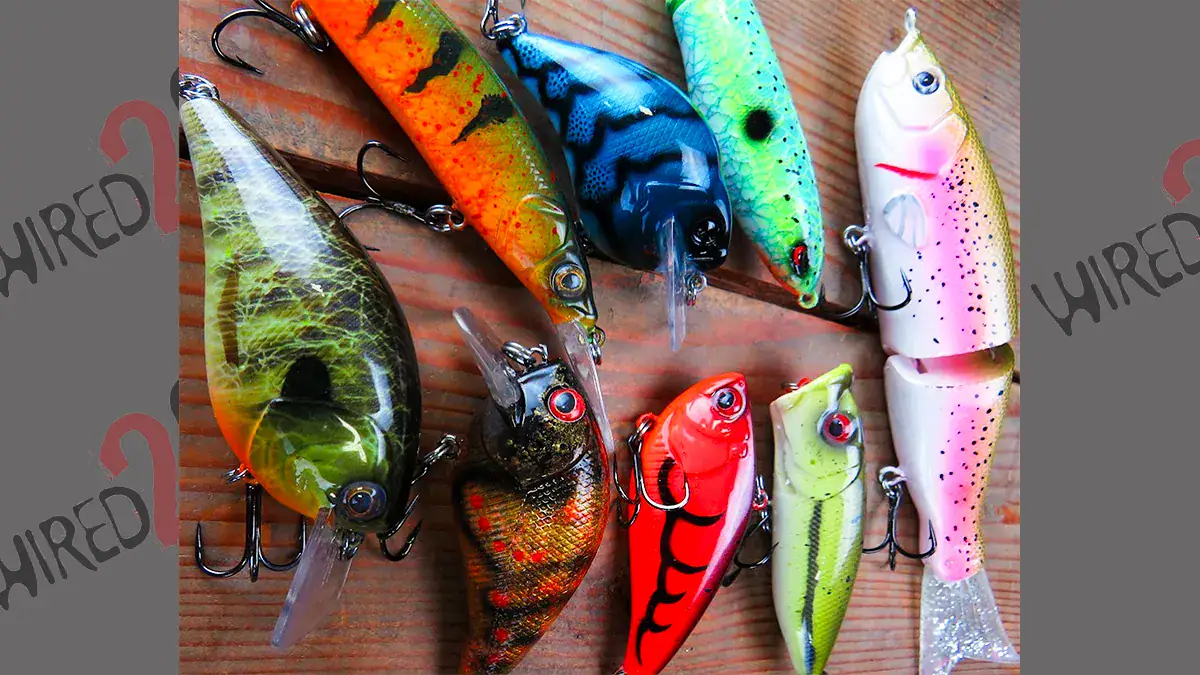
In some national bass tournaments, fishermen use a secret weapon — a lure company’s prototype — to find success.
Pat Schlapper, a pro who competes in the B.A.S.S. Elite Series, goes one step further. He makes the baits he uses.
“I love to tinker with the jigs I want to use,” said Schlapper, who lives in Eleva, Wis. “I can customize what I want to make to a certain scenario, I can come up with the exact size, the exact hook size, and the exact color I want. And that can make a difference.”
It certainly did last year. That’s when Schlapper used one of his homemade jigs to win an Elite Series tournament in May at Sabine Creek in Texas. Noting that blue crabs are key forage in the river, he used a Do-It mold to design a three-eighths ounce jig with a small hook and a black and blue skirt.
The bass liked it. Flipping to shoreline cover, he caught several big fish to add to others he lured with a buzzbait — and ended up with the victory.
But such success was nothing new for Schlapper. He learned from a friend how to tie bass jigs when he was in sixth grade. He ordered a mold and began experimenting with different sizes and color combinations.
“I fished a lot of 500 -to 1,000-acre lakes in the Hayward (Wisconsin) area and I caught a lot of bass,” said Schlapper, now a pro staffer for Do-It Molds. “At the level of fishing I am at, we’re always looking for that little thing that gives us an edge.
“And at the tournaments where the bass are hitting jigs, I think the baits I make can definitely help me.”