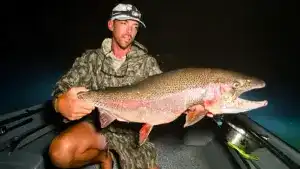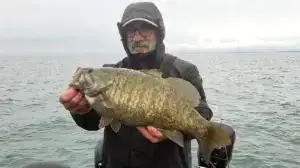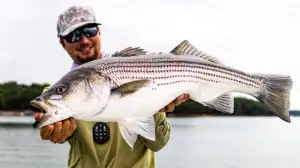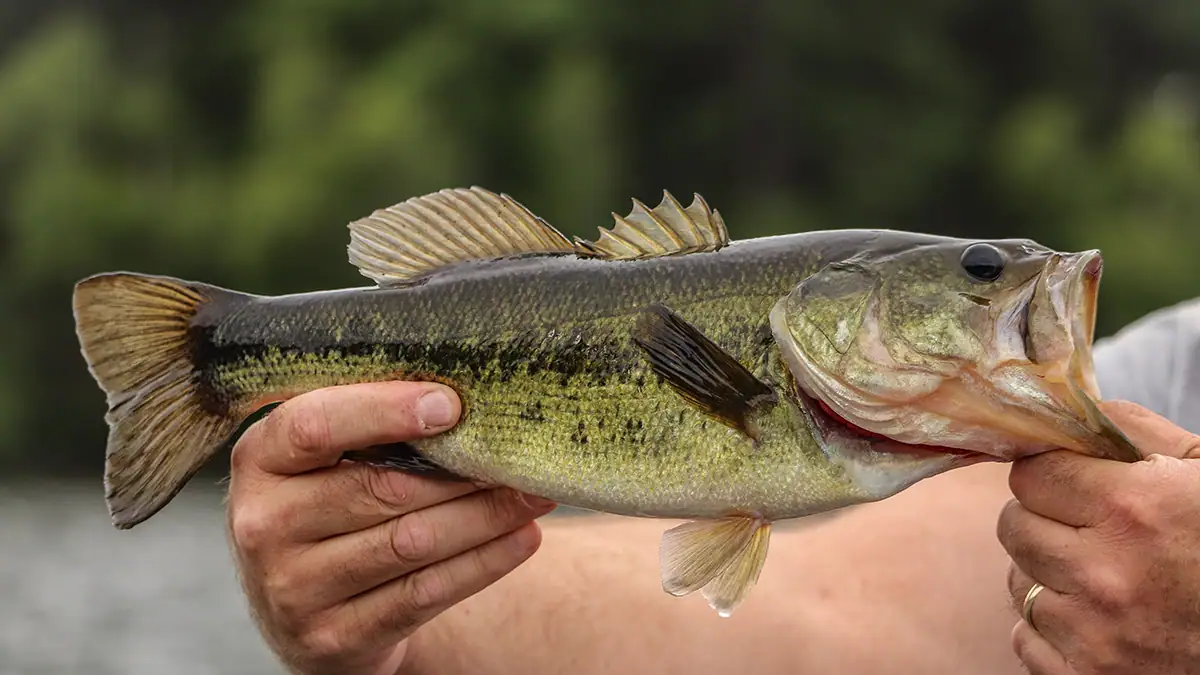
New Brunswick, the Canadian maritime province, is turning to recreational anglers to fight off invasive species. Under a new provincial mandate, licensed anglers are now required to keep and remove five freshwater invasive species found in designated waters, or face significant penalties. These species include some of the most popular freshwater targets in the lower 48 states.
The initiative aims to curb the spread of non-native predators north that threaten the province’s aquatic biodiversity. The species targeted under the new rule include black crappie, chain pickerel, largemouth bass, muskellunge (muskie), and smallmouth bass.
According to the New Brunswick Invasive Species Council, “These species typically grow quickly and can tolerate decreased water quality, allowing them to succeed in large lakes and rivers where angling may occur. While beneficial for some anglers, these species impact overall ecosystem composition and function.”
A Shift from Release to Harvest
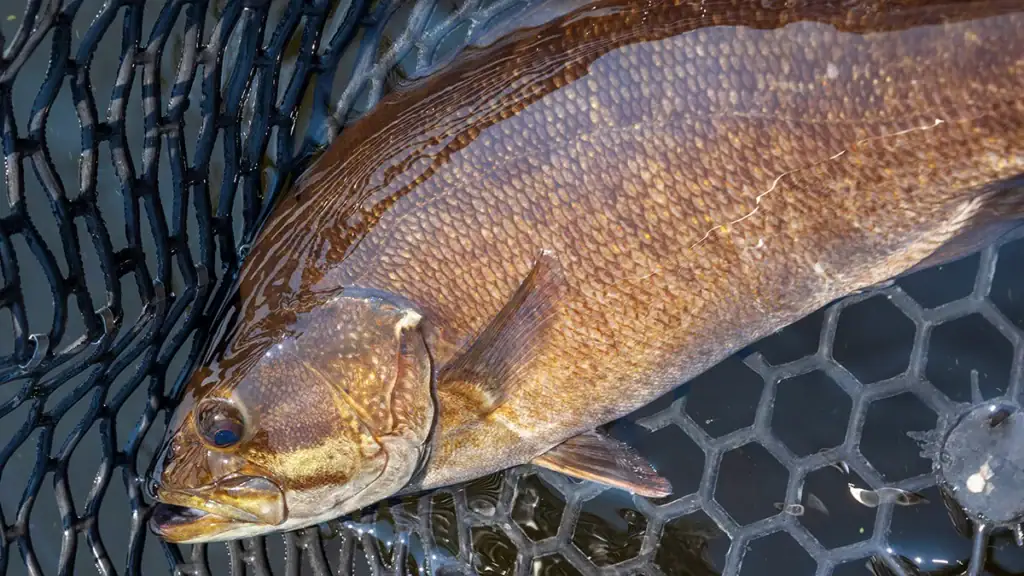
In a departure from commonplace catch-and-release fishing, anglers who return these specific five species to the water could be subject to fines ranging from $100 to $500. That’s in accordance with the Fish & Wildlife Act 104(4) of New Brunswick.
The Department of Natural Resources (DNR) points out these invasive fish do more than just compete for resources; they actively prey on native species and disrupt the delicate ecological balance of New Brunswick’s waterways.
“Anglers must do their part to help safeguard our aquatic environments,” said Natural Resources Minister John Herron. “Every effort makes a difference in preventing these invasive fish from taking over.”
Ecological Impact
The provincial government identified these five species as threats because of their aggressive nature and rapid reproduction. By mandating their removal, officials hope to give native populations a fighting chance against species that have historically out-competed them for food and habitat.
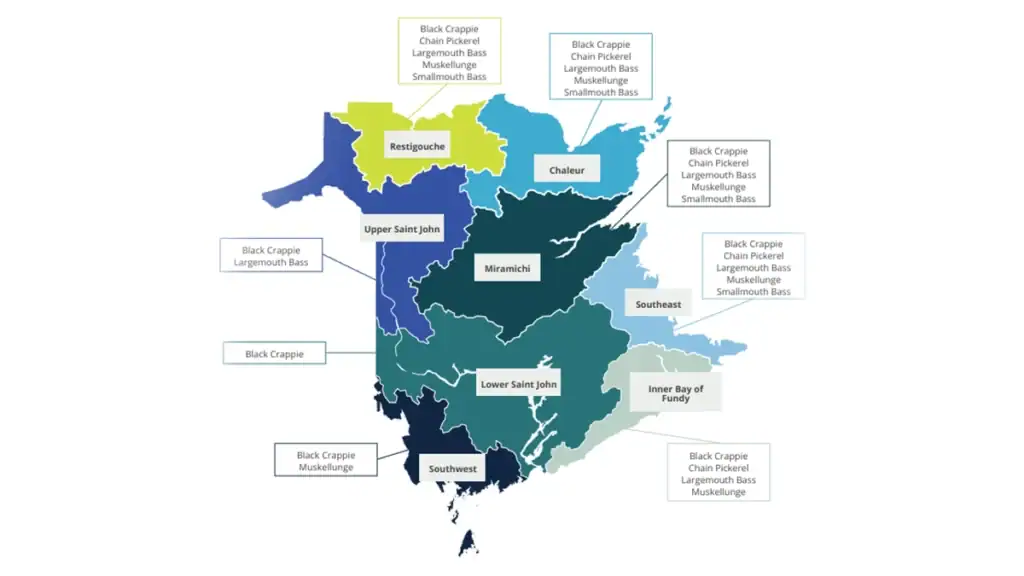
The new regulations apply to specific waters across the province where these populations have become problematic. Anglers are encouraged to check their local fishing regulations to ensure they are compliant with the boundaries of the new mandate. Below, the chart lists the different regions and what invasive species anglers must harvest:
| Species | Retention in |
| Black Crappie | All Recreational Fishery Areas (RFAs) |
| Chain Pickerel | Restigouche, Chaleur, Miramichi, Southeast, Inner Bay of Fundy |
| Largemouth Bass | Restigouche, Chaleur, Miramichi, Southeast, Inner Bay of Fundy, Upper Saint John |
| Muskellunge (Muskie) | Restigouche, Chaleur, Miramichi, Southeast, Inner Bay of Fundy, Southwest |
| Smallmouth Bass | Restigouche, Chaleur, Miramichi, Southeast |
Other Regions Also Require Recreational Harvest
Elsewhere in Canada, fines are much more substantial. In Nova Scotia, violating a catch and kill order can lead to a fine up to $500,000.
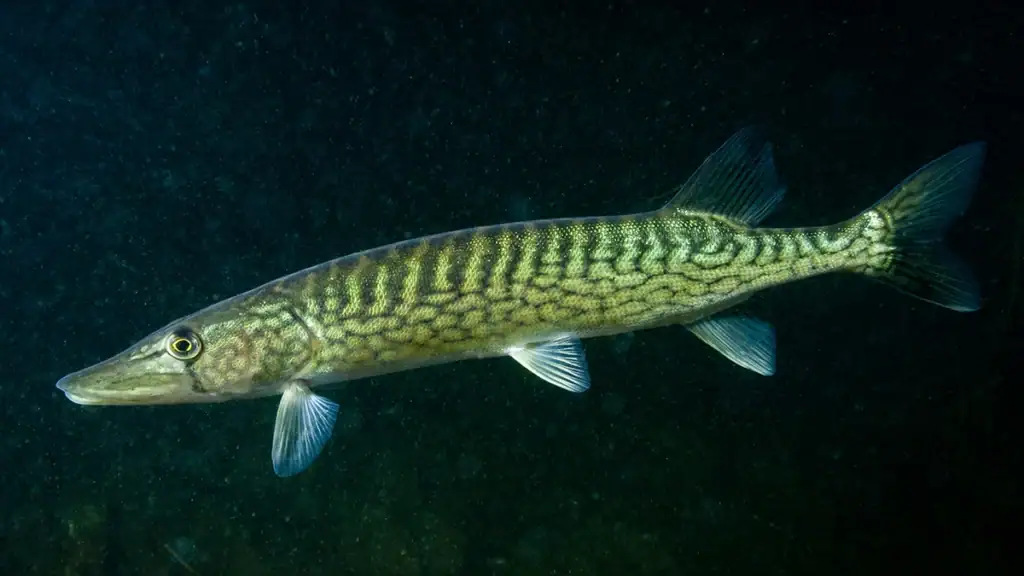
Last September, in an effort to protect native fishes, the Nova Scotia Department of Fisheries and Aquaculture put a regulation in place ordering anglers to euthanize smallmouth bass in the Margaree River watershed. Anglers fishing the East River in Pictou County must kill any chain pickerel they catch, or they could face the same $100,000 – $500,000 fine schedule, including possible jail time.
- It is mandatory to retain all Chain Pickerel in all waters of Nova Scotia.
- It is mandatory to retain all Smallmouth Bass in all waters east of Highway 102 from its junction with Highway 104, to Highway 118 to Highway 107 to Highway 328 (Ross Road) near Upper Lawrencetown.
- It is mandatory to retain all Smallmouth Bass caught in the west branch of the LaHave River, upstream from the confluence with the main branch, including all lakes and tributaries.
“This approach is not intended to eradicate the populations. Rather, it is a proactive, tangible action to reduce the rate of spread throughout the province,” the Nova Scotia department says. The new regs go into effect at the beginning of April 2026.