You can ask any fishing captain or guide this question. It’s simply amazing how one angler can make 50 casts to the same area and not get hung up once, but another person gets hung there constantly. We’re not bashing anglers that get snagged, instead we’d like to help them.
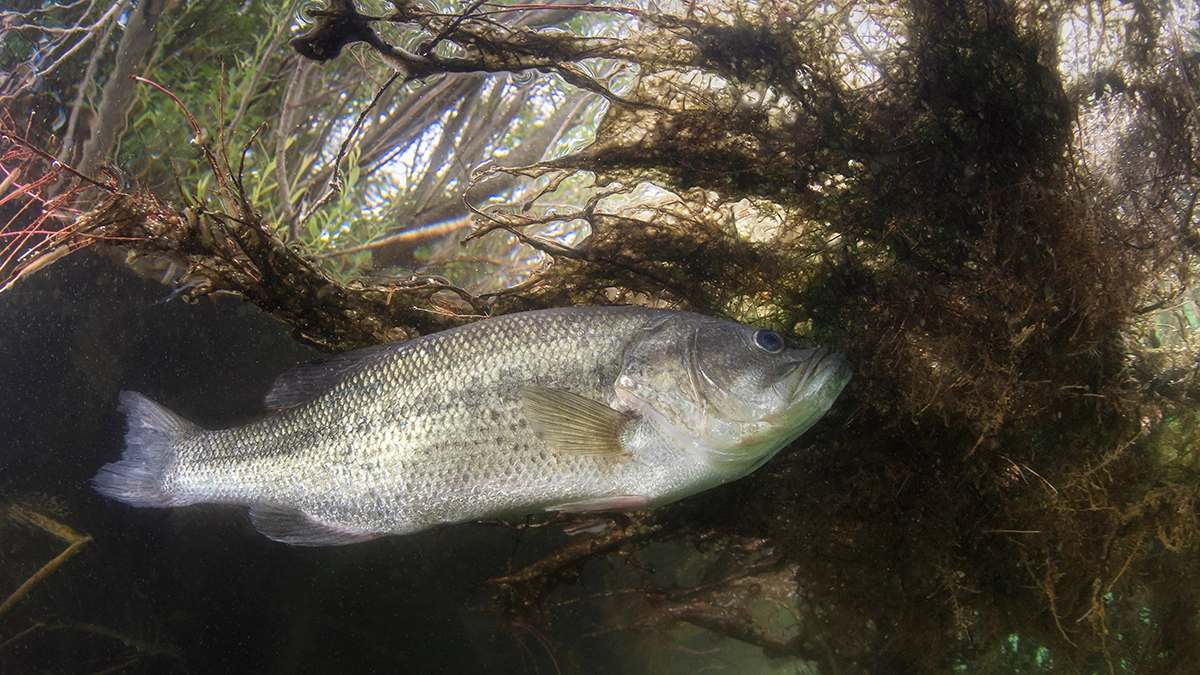
Luck doesn’t keep one guy’s bait free and the other guy’s snagged to a stump. It’s understanding what you’re fishing, how deep you’re fishing, what’s around the area, and how to work a bait. That seems simple when you say it, but anyone who’s lost a favorite plug in a piece of cover knows it’s not that easy. Plus, bass anglers can’t simply not fish close to structure — because that’s where bass hang out. No matter how often a dock owner might give you a side eye for flipping baits near their dock, you keep going back to that spot because that’s where the 5-pounders hide.
Snag Free Tips
We’ve compiled some tips that will hopefully keep your baits free and working properly to entice more fish to bite. Understanding why this is important will probably give anglers a better sense of urgency in learning to fish more efficiently.
The drawback to hanging, fowling or snagging a lure starts with its presentation quickly becoming unnatural. Baitfish don’t typically grab branches and bend them back and forth. This can often spook fish. Going up on a spot to free a bait can further spook fish nearby, especially the shallower the depth. Yanking on a hung lure can stretch line, damage hooks and further impair your presentation. So avoiding it is always a better option.
These tips obviously aren’t foolproof. I hung my favorite crankbait on a trip. I tried to knock it loose with a plug knocker and still lost the bait. But that was also the only time I got hung all day. Fact is, fishing is much more enjoyable when you’re fishing and catching bass and not breaking off and retying. Don’t get me wrong. We throw in the gnarliest cover we can find because we all know that’s where the bass live. Don’t avoid the best areas for fear of snagging. Just apply these simple tips.
Rod Tip Up
The best advice to give an angler when working bait through cover, especially something like brush is to keep the rod pointed upward to at least 10 o’clock position. Keeping your rod tip up keeps the bait riding high over the rough bottom and cover. Pulling a jig sideways is great for fishing offshore, but when you feel it bounce a piece of cover, pull the tip up and try to shake or abruptly hop over the object. That often triggers a bass to strike.
Slim Down
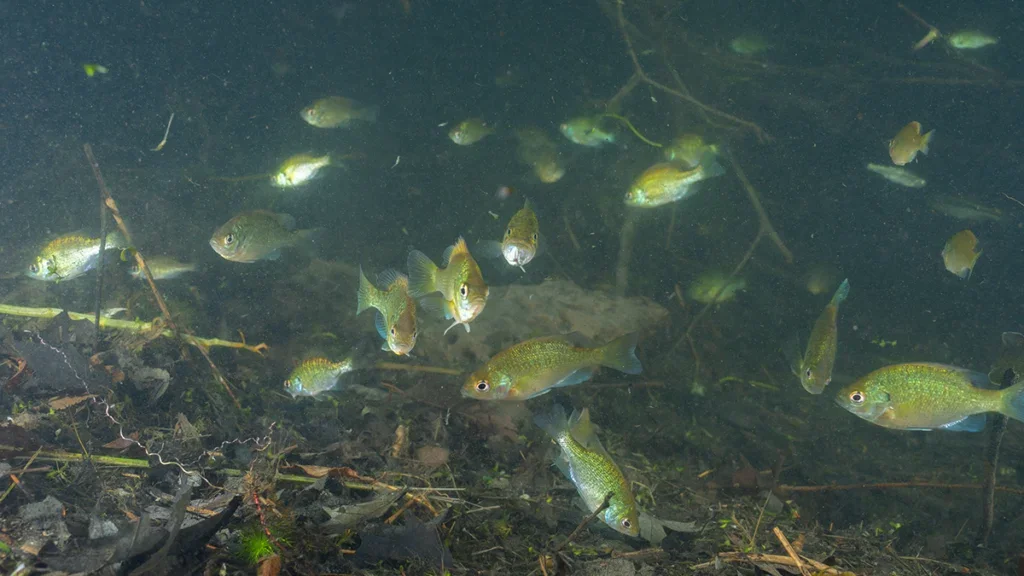
Quite simply, the shallower you go, the lighter your weight should be. You don’t need a 3/4–ounce jig in 3 feet of water, unless maybe to punch through some cover. But if you’re casting a worm to an isolated patch of cover in shallow water, lighter is better. A heavier bait is going to slide into crevices and it’s hard to hop a heavy lure over snags in shallower water.
The Problem with Plastics
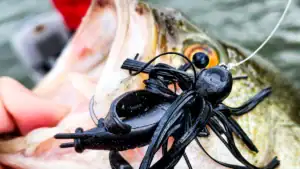
If you’re fishing plastics, you always want to maximize your dollar and try to catch as many as you can with one bait before discarding. The problem is that worn plastic exposes your hook more easily. That can lead to an angler accidentally driving a hook into cover. If you can’t get a good hook point laying against the body of the worm because it’s tearing too much, it’s time to get a new soft bait.
Need for Speed
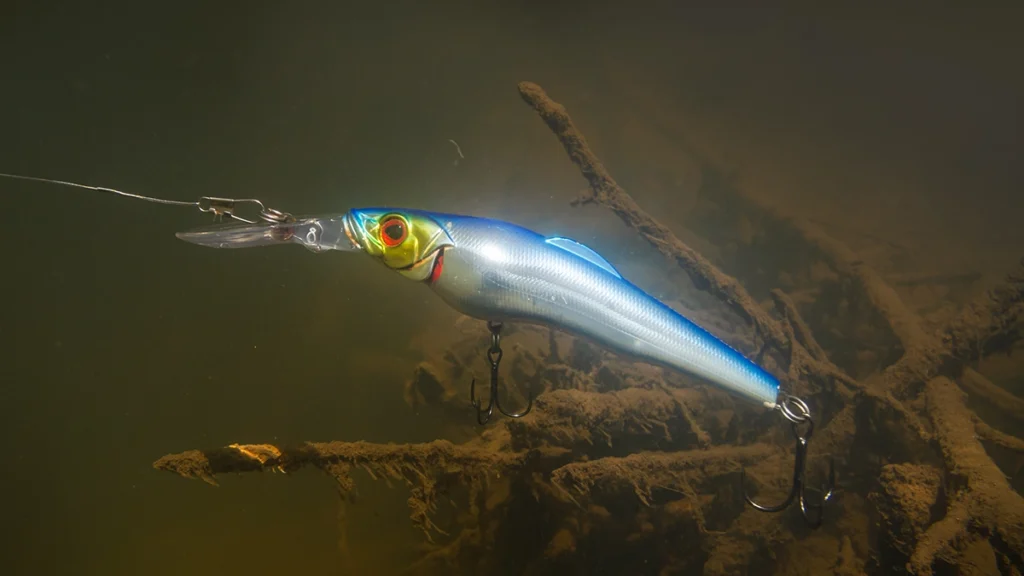
If your bait is ticking bottom or starting to hang during your retrieve, adding a little speed will oftentimes keep it riding on top. Try fishing your crankbait with rod tip in the air and almost like a plastic worm, pulling it over shallow cover easily, then reeling up the slack and repeating. Retrieve a little faster to pull the bait up and not allow it to get down into snags.
Feel the Presentation
You’ve got to learn to feel when your line is getting “heavier” because the bait is being pulled up and over something. More drag is created and your bait begins to weigh more. This is the time to slowly work it up and over the limb or snag. After, stop it and let it fall.
Bass often watch lures come over cover, and just as they’re free, the change in action triggers a bass into striking. The key is to really watch a lure like a jig or a worm from the start of a cast to the end. Soon you’ll be able to detect when the bait is being dangled and hanging from a piece of cover.
Don’t make the mistake that heavier weight on your line means a fish has picked it up. Sure, bass pick up a bait effortlessly at times, but there is a difference between the two. Mistaking a bite for your line rubbing over a tree branch could lead to an embarrassing hookset. Might lose your bait too. Again, these tips aren’t fool proof, but we promise it will keep you fishing more and unhooking your snags less.