As outdoor writers, we often cater to experienced fishermen, discussing the finer points of different techniques and lure presentations. I feel like we largely talk over the heads of people who are just getting started.
Well, this article is for you, new anglers. Hopefully, we can remove some of the confusion from fishing so you start on the right path.
Step 1: Start Small
Don’t be overwhelmed when you walk into a big-box store filled with shiny boats, hundreds of lures of every shape and size, and sophisticated electronic units. You don’t have to drop a paycheck to get started. Begin with the basics and see how you like fishing, then go from there.
Many pros got started by fishing small bodies of water, like farm ponds or small conservation-area lakes, from the shore or in a small aluminum boat.
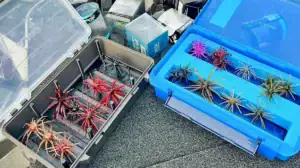
Start with a medium-light action spinning rod and a spinning reel spooled with six-pound test line. Choose basic lures such as plastic swimbaits, Ned rig plastics, or small crankbaits. Baitcasting equipment might look cool on all those fishing shows and videos, but the reels bird-nest easily and can frustrate beginners.
Look for cover that will hold ambush feeders such as bass. Learn to cast beyond the target to avoid spooking the fish with the splash of your lure.
Step 2: Make Your Casts Count
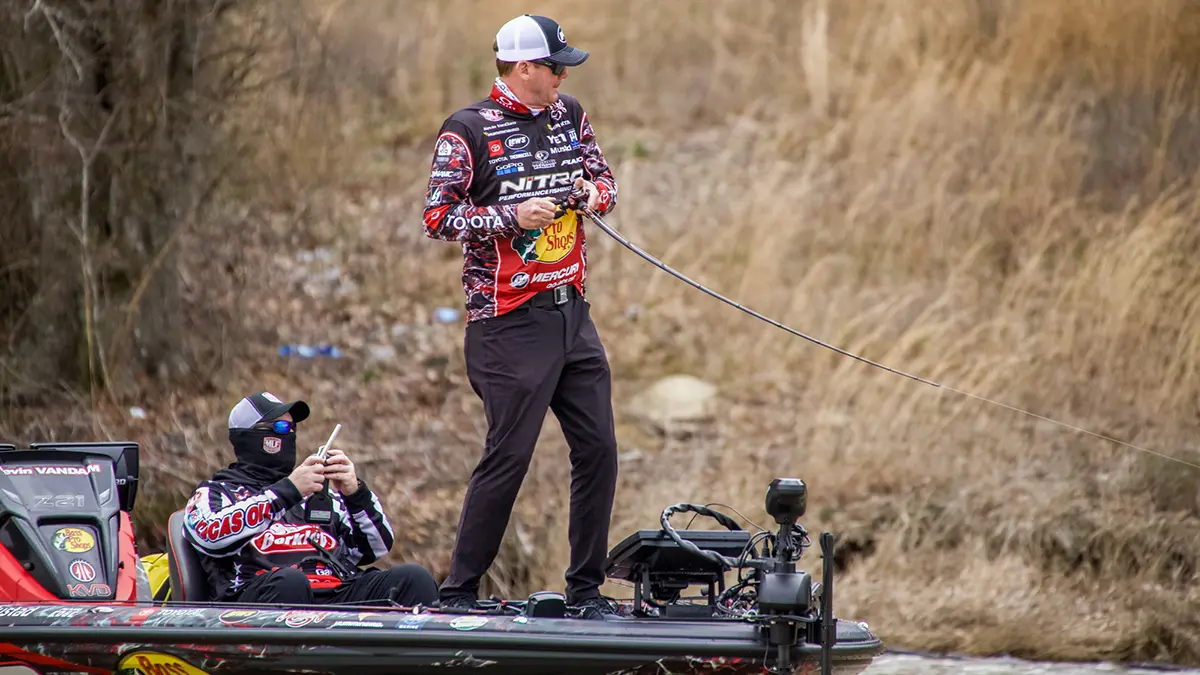
Casting accuracy is one of the keys to catching fish.
Bass fishing legend Kevin VanDam advises practicing in your backyard to get the hang of it. Set up cups or plates, and use a rubber casting plug to test your accuracy.
“You can make a game of it,” he said. “Learning that underhand roll cast so that your lure lands softly is so important.”
With enough repetition, you’ll be ready to cast to shoreline cover once you hit the water.
Step 3: Don’t Overspend
OK, so you’ve caught some fish and you’re ready to move up and buy a boat. Again, don’t go overboard. Those shiny bass boats with big motors and lots of electronics might be tempting, but they’re expensive. Like $75,000-and-more expensive.
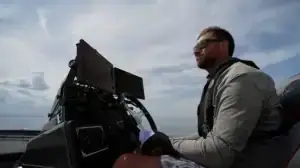
Start with an aluminum bass boat—even a used one—to get the feel for fishing bigger water. Learn how to use the trolling motor to fit into tight spots, and the big motor to cross big water in a variety of conditions.
The fish don’t care how much you’ve spent on your equipment. By making a reasonable investment in getting started, you won’t lose a lot of money if you decide fishing isn’t for you after all.
Step 4: Get a Mentor
If possible, hook up with a friend who is an experienced angler. Let them show you the ropes on how to operate a boat, work lures, and read your electronics.
By now, you’re ready for a baitcaster. Again, practice casting so that you won’t get the bird’s nests with your line. Find the advantage of using a heavier rod and reel, then graduate to lures such as spinnerbaits, jig and pig and plastic worms.
Step 5: Slow Down
That’s one of the biggest pieces of advice the pros offer to beginners.
“A lot of fishermen just want to cast a lure and bring it right back in,” said Alton Jones Jr., one of the top fishermen on the Major League Fishing Bass Pro Tour. “But you have to make that lure look natural to the fish.”
Gerald Swindle also advised beginners not to retrieve a lure too quickly.
“I tell them to find a swimming pool and see how their retrieve looks in the water,” he explained to Wired2Fish. “They might not think they’re moving that bait too quickly, but they’ll be able to see how it moves when they pump their rod and reel too fast.”
Step 6: Break Down a Lake
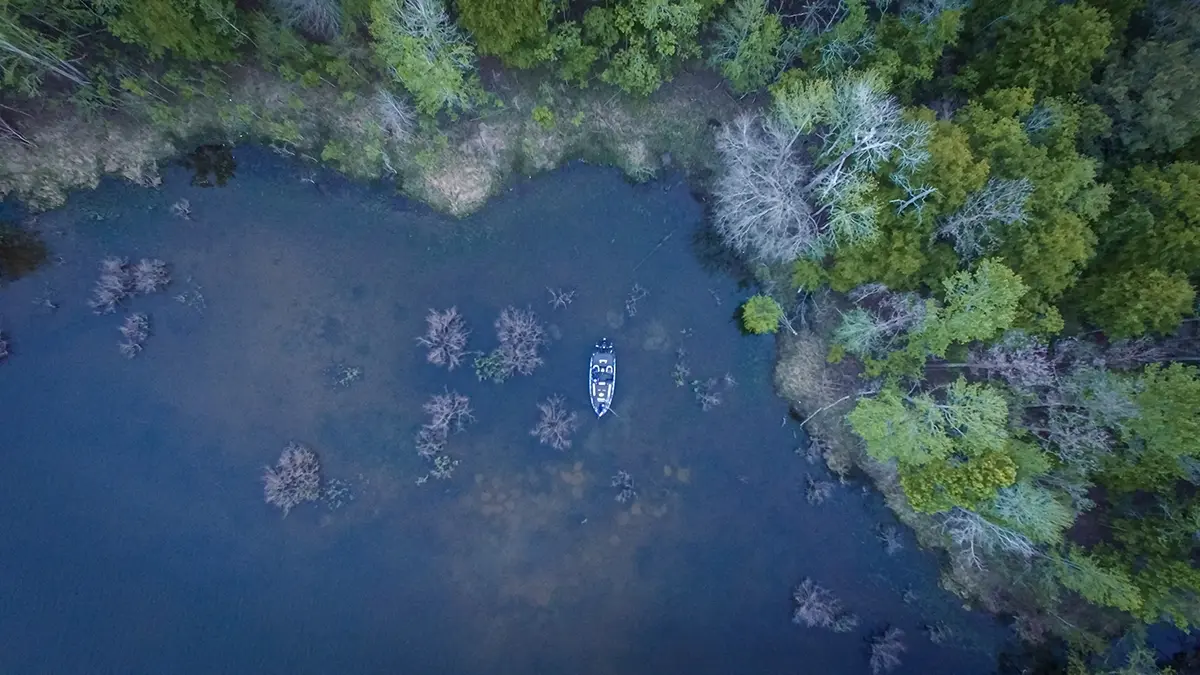
Don’t let the size of large reservoirs overwhelm you.
Brent Chapman, another angler on the Bass Pro Tour, advises concentrating on one part of the lake with multiple options such as brush, points, rocky banks, and drop-offs rather than taking long boat rides to cover other arms.
“If I go out in practice and try to cover a big lake, I’m spreading myself so thin that it ends up not being that productive,” he said. “But if I spend three days in one creek arm, I learn what works and what doesn’t.”
Then, Chapman said, anglers can apply what they’ve learned there to develop a pattern they can apply to other arms.
Still not getting results? Head to the nearest point.
“Any time of year, you can’t go wrong fishing a point,” Chapman once told me. “A point that offers depth options gives them different places to set up.”
Step 7: Read the Mood of the Fish
It can change from day to day, depending on weather and lake conditions.
Don’t fall into the trap of using the same lure every time and going back to the same place you’ve caught fish before. Force yourself to try other lures when the fish are hitting. If things work out, you may wind up with several favorite lures you have confidence in.
Jay Yelas, a retired pro, once told me that he advises beginners to try a three-quarter-ounce Chatterbait with a plastic trailer when fish are active. When the bass are tentative and want a slow presentation, go for a green-pumpkin Yamamoto Senko.
Step 8: Know When to Go
A beautiful, sunny day might look ideal to you, but not to the fish.
When the water is clear, fish low-light conditions—early and late in the day. The exception is on cloudy days, when cloud cover will often keep the fish active throughout the day.
Step 9: Do Your Homework
Pay attention to fishing reports to get a general idea of what’s going on at a certain lake.
Find the cover. At some reservoirs, government agencies’ and bait shops’ websites show locations of sunken brush. Those spots become “community holes,” meaning they get fished a lot. Still, it’s always a good place to start, particularly for ambush feeders like bass and crappie.
Step 10: Learn Seasonal Patterns
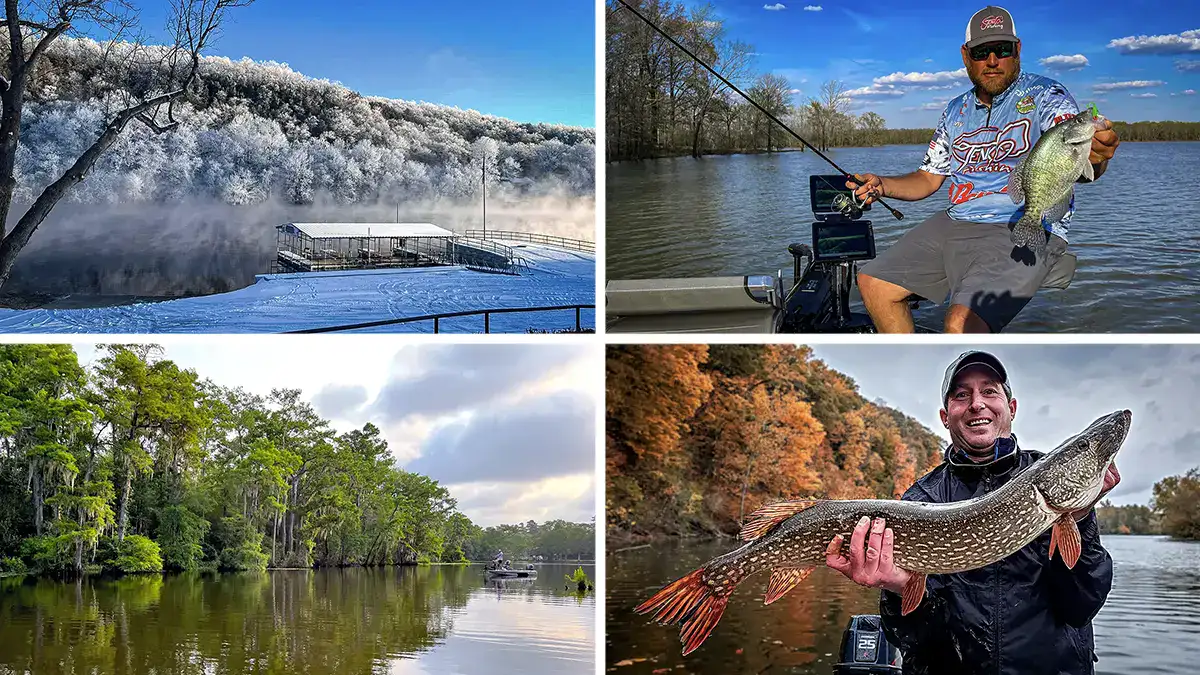
The fish might be along the banks in the spring, when they move shallow to feed and spawn. But that doesn’t mean they will stay there once summer arrives. They’ll often move out to main-lake structure such as points, drop-offs, and rock piles.
Get a general idea of how the fish reposition by season and you’ll know where to start. Keep at it every season and, by this time next year, you’ll be well on your way to becoming a better, more experienced angler.