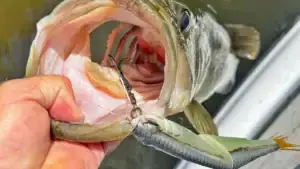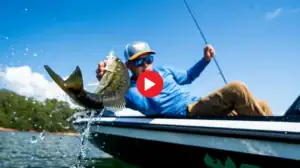
Glidebaits have long been big bass catchers. These oversized, jointed swimbaits can be fished with a slow cadence to create a wide lumbering-along, side-to-side action, or they can be chopped back and forth with a quicker, tighter action.
But that’s Glidebait Fishing 101 stuff. We want to take these baits to the next level. From pairing glides with LIVE sonar to increasing the hookup ratio and more, here are some glidebait hacks you should try.
Weighting a Glidebait
Forward-facing sonar has completely reshaped modern bass fishing. Using this tech, we now have a real-time look into what is going on beneath the surface, which has created opportunities for us to fish classic baits in all-new ways.
And such is the case for glidebaits. While these baits have been traditionally fished within a few feet of the surface, anglers have found that there are times when they can get monster bass in deeper water to react to these baits better than anything else. But how do you get your bait to a bass that’s 20 feet deep and still generate the same actions? You’ve got to add some weight.
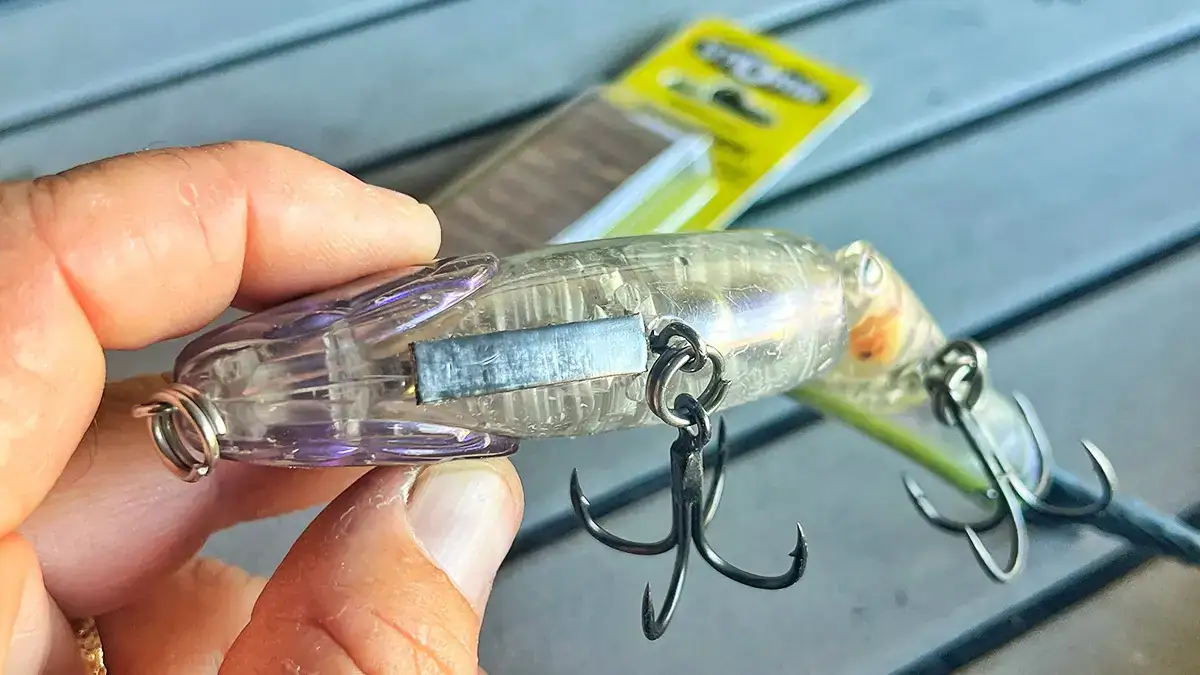
There are two popular methods for adding weight to a glide: Wrap 1mm lead wire around the hook shafts, or add a sticky weight (like Storm SuspenStrips) to the belly of the bait. Both allow you to get your bait down deeper — and quicker. They also generate the same action from your bait that you can on top of the water. Without adding weight, it takes much longer to get a glide down, and it’s harder to keep it down and working correctly, too.
The biggest mistake to avoid is adding too much weight to the tail end. Whatever method you use, be sure the bait is still falling with its nose slightly down.
Highlight the Top
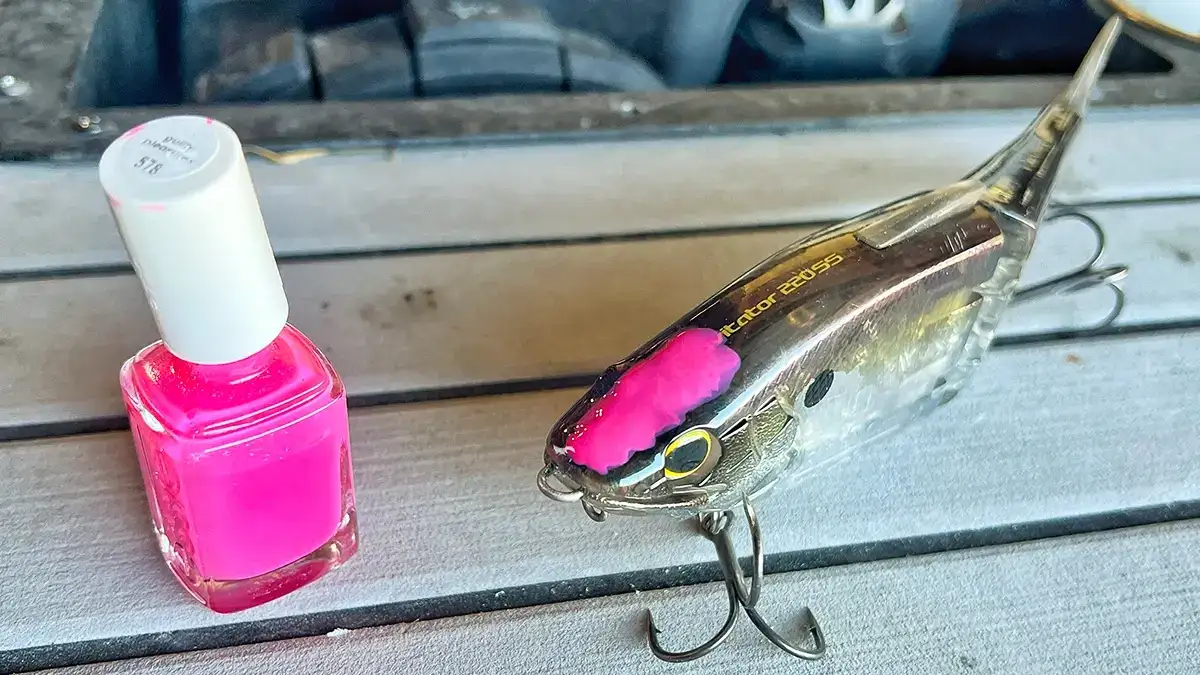
When fishing a glidebait within a few feet of the surface, it’s helpful to keep an eye on the lure to make sure it’s working correctly. It’s also good to track the bait so you can spot any fish trailing behind it. While you can see solid color glides in clear water really well, you typically won’t want to fish a bright white or chartreuse in those conditions. Instead, translucent colors are often more effective in these conditions. But they can be hard to track, especially if there’s a ripple on the water.
Adding a swath of bright color to the top of the bait via nail polish or tape gives you a highly visible indicator to keep up with the bait — one that’s still out of sight for bass either lurking beneath or following behind. This indicator will make it easier to work your bait through cover, too, allowing you to precisely dip and dodge the glide through tree limbs and around dock poles.
Quad Hooks
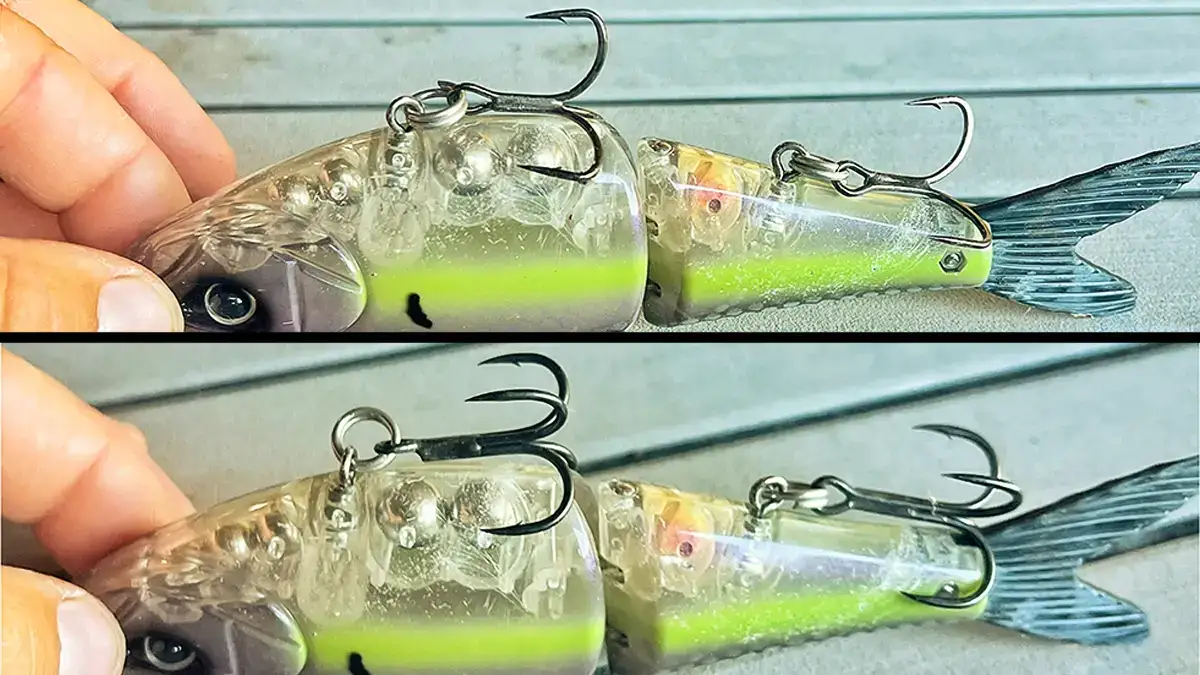
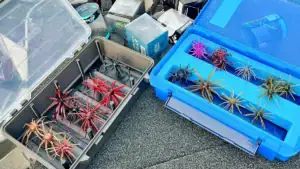
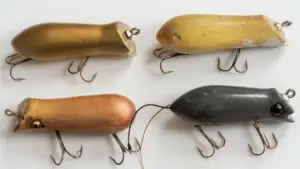
Quad hooks have become really popular as of late, thanks to their remarkable effectiveness when paired with urchin-style baits. But these hooks are not new: Anglers have used quads for years when fishing big rat-style wake baits and even big glides.
Swapping the standard treble hooks that come on a glidebait for quad hooks does more than just add a couple of hook points. It effectively doubles your chances of connecting with a swiping fish. When you work any treble-hooked bait through the water, physics will almost always tuck two hook points up to where the belly of the bait falls between them, leaving only one hook pointed straight down. With quad hooks, two hooks still tuck up, but now two hooks point down, as well. This is how a simple swapping of the hooks can greatly increase your hookup ratio.
File Down your Glide
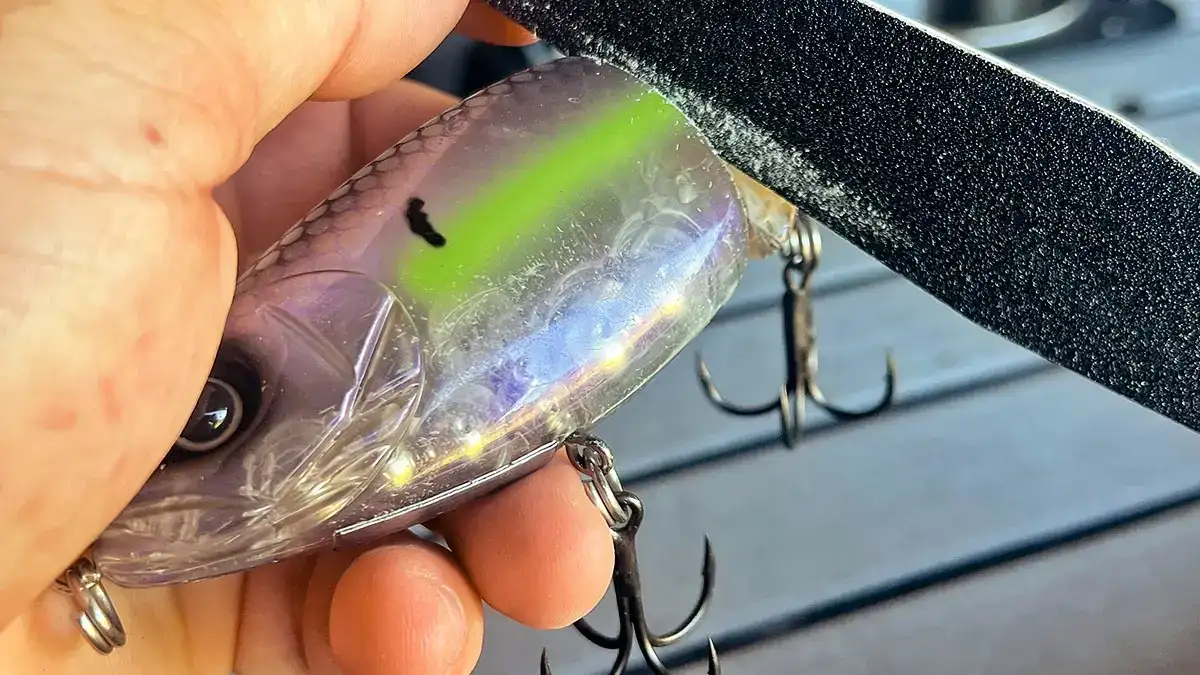
While countless hours go into designing glidebaits to ensure they have nearly perfect actions, you can still modify them a bit to create an action unique to one specific lure. Taking a fingernail file or hook-sharpening file, you can slightly shave the edge of the joint on both sides of the head portion to create a wider action.
Be careful not to overdo this: A little friction goes a long way. And be sure to file both sides equally to create a uniform action. File the first edge down only a little to start with, allowing you to correct things if you over-file the other side. If you overdo it and then don’t have room to correct the initial side you filed too much, you’ll end up with an uneven action — or a wasted bait you’ll have to discard.
Final Thoughts
When it comes to glidebaits, there are more quality options on the market at better prices than ever before. Straight out of the box, many of these baits are awesome big bass catchers.
But with just a little tweaking, they can perform even better.