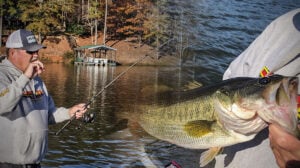
There comes a point in a lot of anglers’ lives when the thought creeps in: “Man, I could be a fishing guide for a living.”
Maybe you’ve spent years figuring out your home lake. Maybe you’re the one your buddies always call when they want to catch fish. Or maybe you’ve realized there’s nothing you enjoy more than watching someone else hook into their first or biggest fish. Whatever brings you to the idea, becoming a fishing guide is one of the most rewarding—and misunderstood—paths in the outdoor world.
I’ve been around a lot of guides and charter boat captains, many of whom I consider great friends. I’ve learned from them and watched plenty of their businesses start from scratch. The hard work, dedication, and happy, returning clientele is what made me start my own guiding service in March 2025, Natural Outfitters.
It’s not easy, but it is the most rewarding job you could ever do in your life. Here’s what I’ve learned it really takes to turn your passion into a profession.
Know Your Waters Like Your Backyard
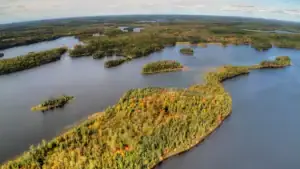
The No. 1 tool any guide has isn’t rods, boats, or electronics—it’s knowledge. And not just “I caught a nice one here last summer” knowledge. You need to understand how your body of water fishes across all seasons: where fish slide when a cold front hits, where bait pushes in early fall, where currents shift after a rain, and how pressure affects the bite.
Ask yourself:
- Do I know multiple patterns for each season?
- Can I still put a client on fish when the bite is tough?
- Do I understand safety hazards, underwater structure, and weather risks?
Guiding isn’t showing someone where your fish are, it’s reading the moment and adapting fast. If you’re not consistently on multiple species’ patterns to catch various fish, you’re not going to get those return customers. Remember: Clients pay for consistency, not luck.
Get the Proper Licenses and Insurance
This is where a lot of would-be guides drag their feet. Make sure you follow all the proper guidelines so you and your clients can enjoy a safe, enjoyable experience. Regulations for registering both yourself and your vessel vary by state, but these are some essentials.
State Fishing Guide License
Most states require a guide license specific to inland waters or saltwater. This ensures you’re operating legally, paying any required fees, and staying covered under state regulations.
To obtain these licenses, you often have to take certain exams, take CPR and First Aid training courses, and pass a physical and/or drug test. This is the first step to becoming a guide.
U.S. Coast Guard Captain’s License (for navigable waters)
If your lake or river connects to navigable waterways, or if you’re running trips on large water bodies, you likely need a USCG OUPV (Operator of Uninspected Passenger Vessel) license. Commonly called the “Six-Pack” license, it allows you to carry up to six paying passengers besides you and a crew member.
This is a hard course to pass. There are also certain safety and registration requirements you have to meet, like passing a drug test, obtaining a TWIC card, and following the safety requirements for your vessel.
Liability Insurance
Do not skip this. Guiding introduces risk: hooks, slippery decks, rough water, and unpredictable weather. Make sure you’re covered for every possible outcome including:
- On-water liability
- Gear damage
- Guest injury
It’s not expensive, and it could save your business. As the captain, good insurance ensures you the peace of mind that you’re covered if something goes wrong.
Build a Reliable, Safe, and Guide-Ready Boat
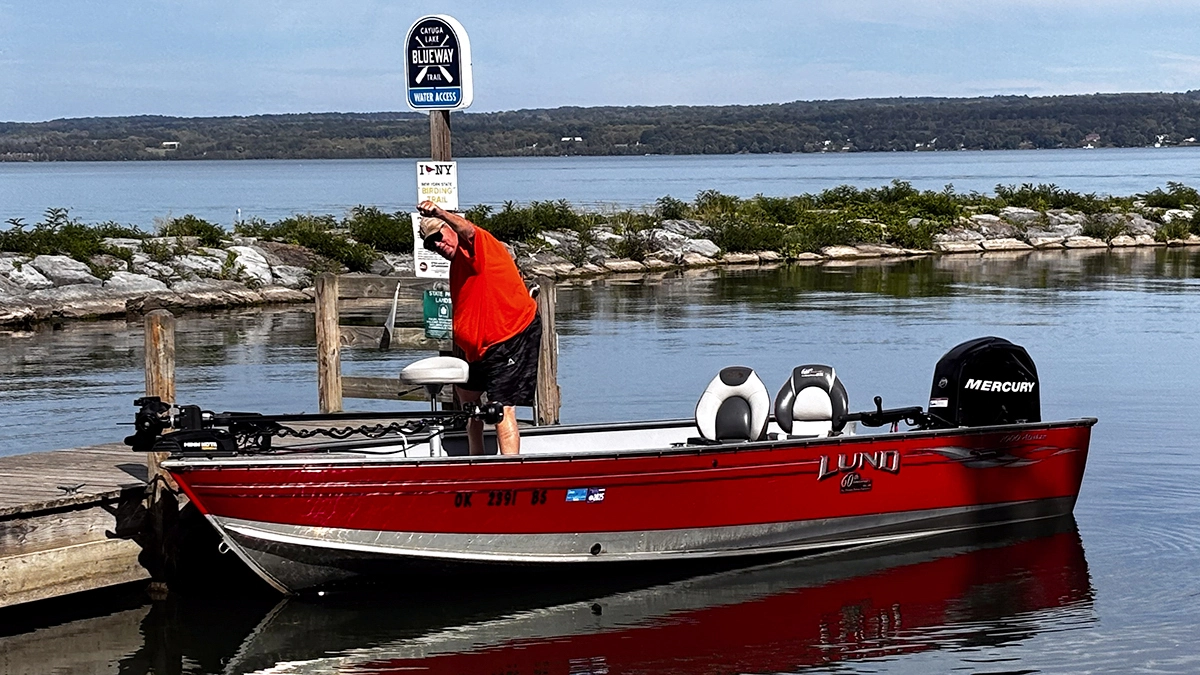
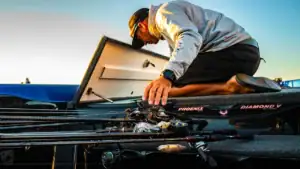
If your plan is to guide from a boat, and not all trips require one, remember this: Your boat is your office. It needs to be dependable, clean, and laid out with clients in mind. A boat has to be practical for not only the type of fishing you want to advertise but also the amount of people you want aboard.
Here’s what matters most:
- Safety gear: Life jackets for each passenger, throwable PFD, first-aid kit, fire extinguisher, flares (if required), functioning bilge pump, daytime distress flag, VHF radio.
- Stable deck layout: Clients need space to move, cast, not step on gear and feel comfortable.
- Updated electronics: Clients look for guides who can read a graph and use technology to their advantage. You don’t need the most expensive units on the market, but they should be functional and reliable.
- Quiet, dependable motor: A loud, stalling motor ruins both the fishing and your credibility as a guide.
Remember, people aren’t just booking your knowledge, they’re booking confidence and comfort—all of which a dialed-in boat provides. The safer and more comfortable a client feels, the more enjoyable their experience will be.
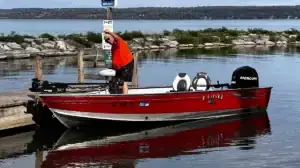
If you have the option of offering multiple boats for multiple fishing scenarios, do that because keeping yourself and your rigs diverse will separate you from other guides. I currently run two main boats, one of which is a Triton TR-20X bass boat for my bass-oriented clients to fish two people or fewer. The Lund Alaskan 2075 with a tiller handle Mercury Outboard is for my multispecies guiding, like lakers, perch or walleye. It holds up to five passengers plus myself on this vessel, and the tiller handle allows for maximum space so my clients can be comfortable.
Gear for All Skill Levels

Clients will show up with everything from high-end rods to nothing but a cup of gas-station coffee. A good guide prepares for all situations and skill levels, from first-time fishers all the way to the advanced angler.
The basics you’ll need include:
- Rods and reels for multiple techniques and fish species
- Terminal tackle, leaders, tools, line, and spare setups rigged and ready to go
- Weather-proof gear for clients who underestimate the forecast
- A mix of artificial lures and live bait, if allowed or per clients’ request
Your tackle should cover everything from beginner-friendly presentations to advanced techniques, from small panfish setups to livescope jighead minnow combos to heavy artillery for thick cover, and everything in between.
Diversity is key. As a guide, you need to be prepared for all situations because nothing frustrates a client faster than feeling under-equipped. Diversify yourself for whatever the client wants to fish for in that particular body of water.
Develop People Skills
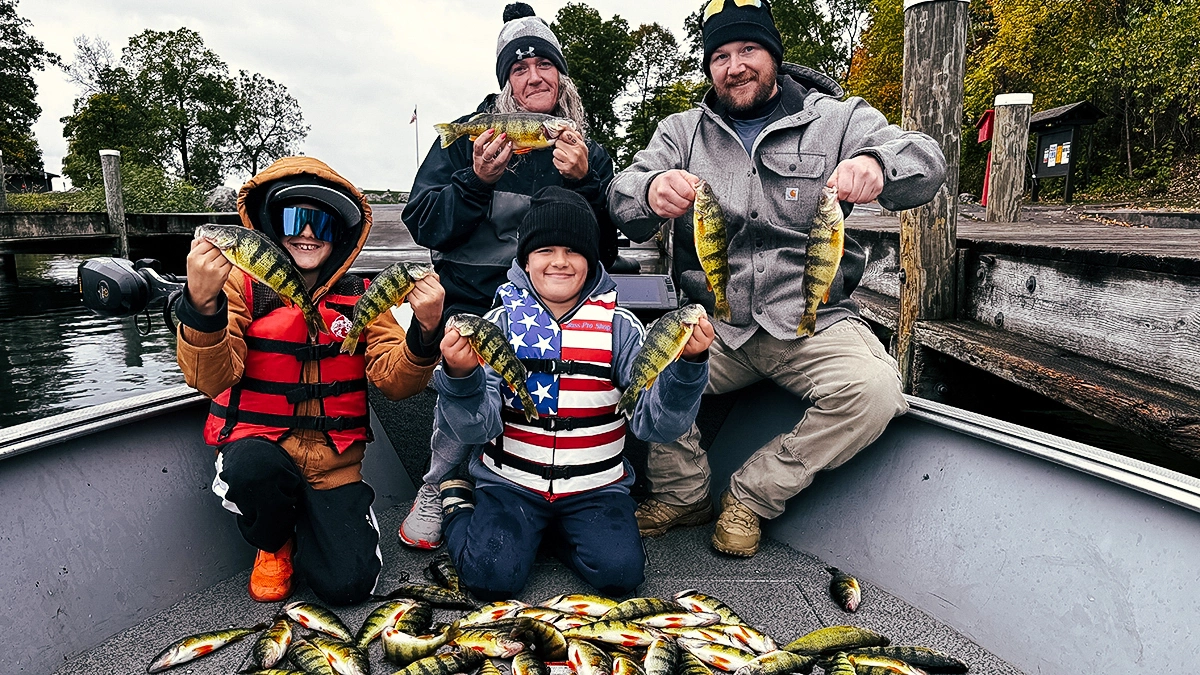
This is the part most anglers overlook, and what I think is the most important part of guiding. You can be the best fisherman on the lake and still be a terrible guide.
Guiding is 80% customer service, 20% fishing. You need to be:
- Patient with beginners
- Encouraging with kids
- Adaptable to personalities
- Clear in instruction
- Calm under pressure
- Skilled at reading what a client actually wants
Some trips are about filling coolers. Some are about one trophy bite. Some are about teaching techniques. Some are just families looking for a memorable afternoon. A great guide adjusts the trip to the customer, not the other way around.
Not every client will want the same experience, but it is your job to give them a positive one every single time. Happy clients result in more rebookings year after year, or possibly in a single season.
Build Your Brand and Market Yourself

These days, being a successful guide requires more than just catching fish. You need to be visible. You need a way to get yourself out there. People won’t contact you for trips if they don’t even know you exist.
Here’s how most new guides get clients:
- Facebook and Instagram fishing pages
- A simple website (you don’t need anything fancy)
- Posting regular fishing reports
- Word-of-mouth through bait shops and marinas
- Networking with other guides
- Uploading photos after every trip
Clients want proof that you’re on fish and staying consistent. Keep your reports honest. There’s no need to burn your spots, just show your success.
Some anglers might be against it, but social media is your best friend. Constantly posting in local Facebook groups and making reels gets me most of my business. Reaching more people is how you get more bookings. Even if it’s just people inquiring about YouTube services, every phone call, text, direct message, or comment is a step in the right direction.
Understand the Business Side
Guiding is a business, and with business comes:
- Fuel costs
- Bait and tackle expenses
- Boat maintenance
- Taxes
- Liability coverage
- Gear replacement
Set your rates carefully, high enough to cover your costs, time, and expertise, but not so high that you price yourself out of the local market.
Many guides start part-time until they build a client base. Make sure you’re covering all of your expenses first, then worry about making a profit.
Start Small and Grow Naturally
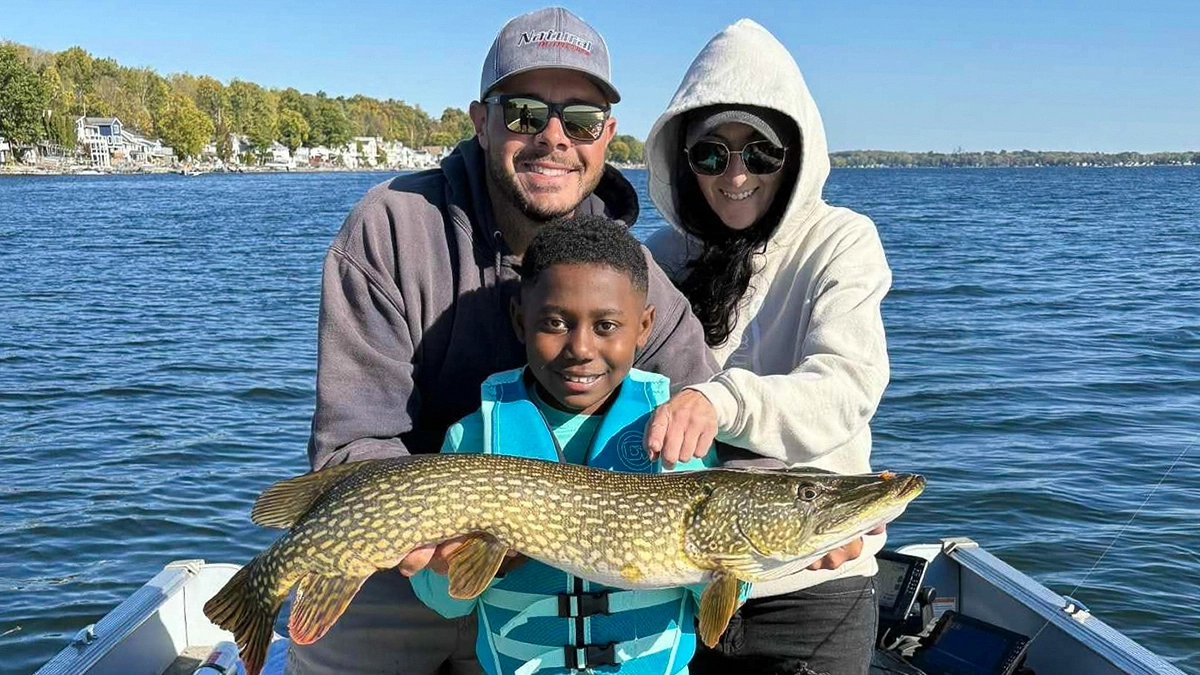
You don’t need to throw all your eggs in one basket and go full-bore into guiding— which was my mistake. Start guiding part time. Then, after a few seasons of building up a good clientele base, expand into something bigger each year.
Here is who will be your biggest assets when starting a guide business:
- Friends of friends
- Local Facebook groups
- Community tourism boards
- Local tackle shops/convenience stores
Each trip builds your confidence, your rhythm, and your reputation. As your reputation grows, you’ll be able to provide better service and book more trips.
So, You Still Want to Be a Guide?

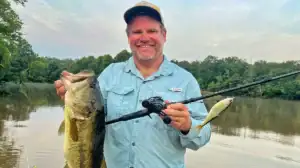
Becoming a fishing guide isn’t just about loving to fish: It’s about loving to help other people fish. When you see someone land the biggest catch of their life and know you were the one who made it happen, it’s arguably the best feeling in the world—and it’s one that never gets old.
I never thought I’d want to be a fishing guide, especially after years of watching my dad make it seem like work that he wasn’t having any fun with. To me, guiding is all about meeting people from all walks of life and showing them what you are most passionate about. It’s all about creating a memory for them that will last a lifetime, which isn’t always about catching the biggest fish.
If you have the passion, patience, and drive, guiding can take you places fishing alone never will. And there’s no better office view in the world than sunrise on the water, and happy clients smiling from ear to ear.