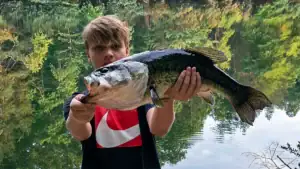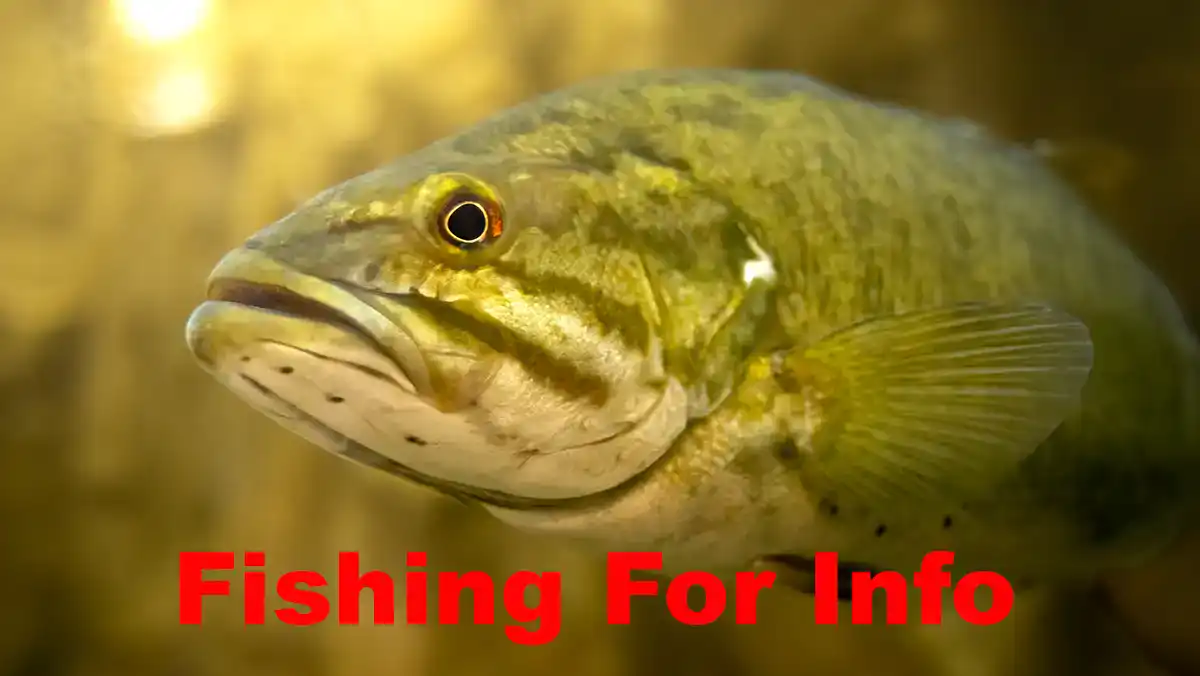
Provincial conservation officers are asking the public to help identify those responsible for illegally releasing smallmouth bass into Cultus Lake, a popular rainbow, lake and brook trout fishery near Chilliwack, B.C. Officials say smallmouth have been introduced to the lake multiple times, dating back to at least 2017, posing a serious threat to the lake’s native species.
According to the B.C. Conservation Officer Service (BCCOS), smallmouth bass are not native to Cultus Lake and are considered invasive in this system. The lake is home to the endangered Cultus Lake sockeye salmon and the threatened pygmy sculpin. Officials fear the illegally introduced smallmouth will prey on juvenile salmon and other native fish, increasing pressure on species already at risk.
“Transporting or releasing invasive species is illegal and can have detrimental impacts on the environment, fish and wildlife,” said Sgt. Todd Hunter of the BCCOS Aquatic Invasive Species unit said in a Facebook post. He added that investigators are hoping members of the public may have information that can help move the case forward, noting that even small details could be significant.
Smallmouth Bass As An Invasive Threat To Canadian Fisheries
Smallmouth bass are highly valued by anglers, with thousands of tournaments held for them in the United States and Canada. But in Canada, they are native only to Lake Superior and the Great Lakes–St. Lawrence system. They have been widely introduced elsewhere for recreational fishing, sometimes illegally, despite regulations prohibiting the transport and release of live fish.
Concerns about the illegal release of smallmouth bass in Cultus Lake are similar to concerns elsewhere in Canada, particularly in Atlantic provinces where the species has spread beyond its original introduction areas. In Nova Scotia, fisheries officials have implemented some of the strictest regulations in the country in response to ecological damage linked to invasive smallmouth bass populations.
Smallmouth bass were legally introduced to Nova Scotia waters in the 1940s to enhance recreational fishing opportunities in systems altered by dams, logging, and rising water temperatures. Since then, the species has expanded well beyond its original range and is now competing directly with native coldwater fish such as Atlantic salmon and brook trout. Fisheries experts report that bass prey heavily on trout and salmon fry and parr, particularly during periods of low water when fish are concentrated.
In response, the Nova Scotia Department of Fisheries and Aquaculture introduced mandatory catch-and-kill regulations for smallmouth bass in key watersheds, including the Margaree River system, Lake Ainslie, and parts of the LaHave River. Anglers who catch smallmouth bass in these areas are required to euthanize and retain the fish. Failure to comply can result in fines of up to $100,000 for a first offence and as much as $500,000 for subsequent offences, along with the possibility of jail time.
As of April 1, 2025, these mandatory retention rules have been expanded, requiring anglers to retain all smallmouth bass caught in designated regions and all chain pickerel caught anywhere in the province. Fisheries officials acknowledge that the measures will not eradicate invasive populations but say they are intended to slow further spread and reduce pressure on native salmon and trout stocks.
Stopping The Spread
Officials in British Columbia are likely concerned about the situation in Nova Scotia, and are hoping to prevent smallmouth from taking hold in Cultus Lake and destroying the cold water fishery there. The BCCOS is urging anyone who may have witnessed past or recent releases, or who has relevant information, to contact the Report All Poachers and Polluters (RAPP) line at 1-877-952-7277. Tips can be provided anonymously, and authorities say public cooperation is critical to protecting Cultus Lake and its native fish populations.