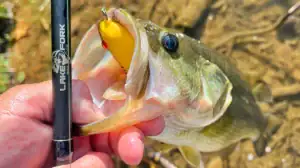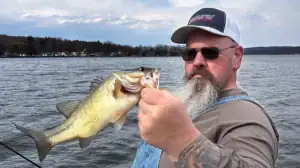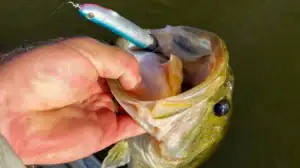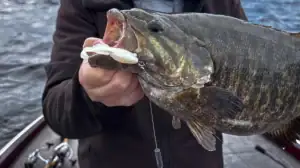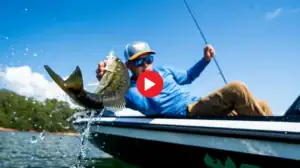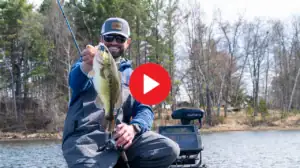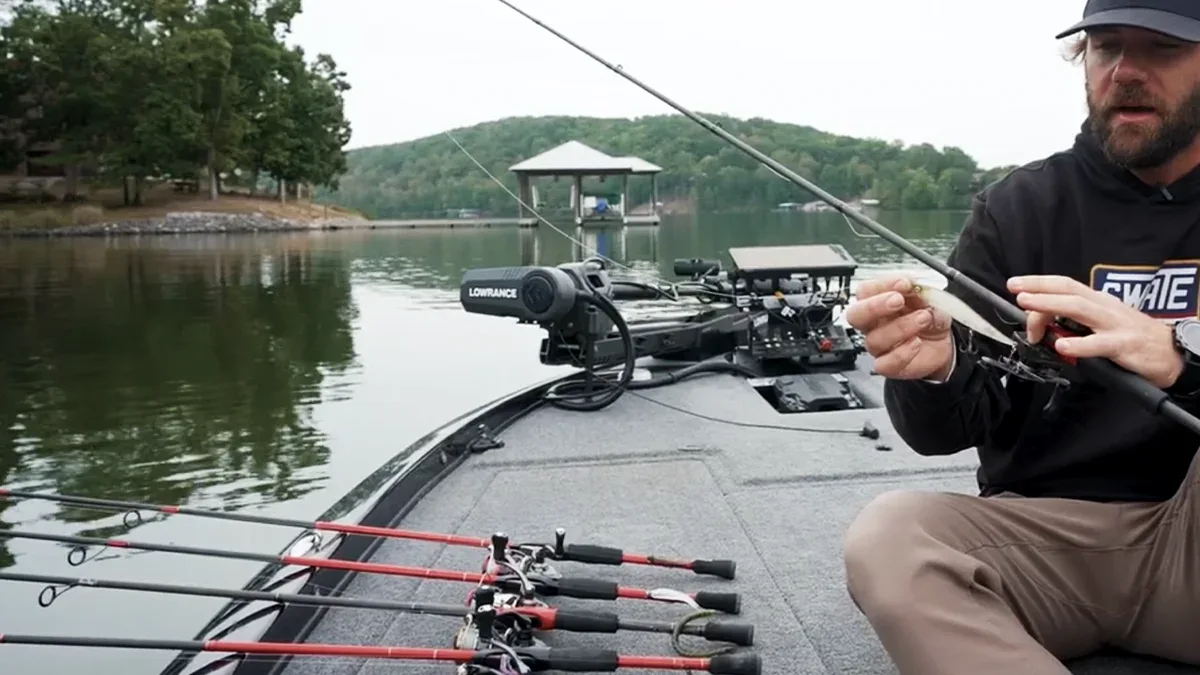
Forward-facing sonar continues to reshape tournament bass fishing, and bait choice now matters more than ever. In this video, John Hunter breaks down the most reliable baits for catching fish that anglers see on screen. He explains not only what to throw, but also why each option works when using FFS.
Featured Product
DROP SHOT RIG
- WORM – Roboworm Straight Tail: Buy at Bass Pro Shops | Buy at Tackle Warehouse | Buy at FishUSA
- WEIGHT – Drop Shot Cylinder Weight (3/8-3/4oz): Buy at Bass Pro Shops | Buy at Tackle Warehouse | Buy at FishUSA
- HOOK – Straight Shank Finesse (size #1): Buy at Bass Pro Shops | Buy at Tackle Warehouse | Buy at FishUSA
WACKY RIG
- WORM – Googan Baits Slim Shake: Buy at Bass Pro Shops | Buy at Tackle Warehouse
- WEIGHT – Nail Weight (1/16oz): Buy at Bass Pro Shops | Buy at Tackle Warehouse | Buy at FishUSA
- HOOK – Roboworm Rebarb (Size #1): Buy at Tackle Warehouse
SWIMBAIT
- PLASTIC – Googan Baits Saucy Swimmer: Buy at Bass Pro Shops | Buy at Tackle Warehouse
- JIG HEAD (3/16-1/4oz): Buy at Bass Pro Shops | Buy at Tackle Warehouse | Buy at FishUSA
JIG-MINNOW:
- MINNOW PLASTIC – Hog Farmer Baits Spunk Shad: Buy at Tackle Warehouse | Buy at FishUSA
- JIG HEAD: Buy at Bass Pro Shops | Buy at Tackle Warehouse | Buy at FishUSA
- JERKBAIT – Megabass Vision ONETEN: Buy at Bass Pro Shops | Buy at Tackle Warehouse | Buy at FishUSA
Finesse Baits for Controlled Presentations
Finesse baits remain essential when fishing forward-facing sonar. Hunter starts with the drop shot, which excels around isolated cover. Brush piles, rock piles, and small offshore targets all demand precision. Because the drop shot falls slowly and stays compact, it allows anglers to pick apart cover efficiently. The nail weight also plays a key role. Hunter reaches for it when fish cruise higher in the water column. This often happens during spring or around shallow cover. However, heavier nail weights still work offshore when fish group up. As a result, this bait adapts well as fish depth changes.
Moving Baits for Suspended Fish
When bass suspend and roam, moving baits become critical. Finesse swimbaits shine when fish hold less than 20 feet deep. Hunter uses them to target cruising fish in open water. Importantly, he keeps the bait above the fish. Bass feed upward, staying above their heads increases bite chances. Once the bait drops below them, the opportunity often disappears. Forward-facing sonar allows anglers to track this in real time, making swimbaits extremely effective.
Reaction Baits for Committed Bites
Some fish follow without committing. That is where reaction baits matter. Hunter relies heavily on jig head minnows and jerkbaits when fish hesitate. The jig head minnow adapts across seasons. Lighter heads work when fish suspend high. Heavier heads excel when bass drop deeper or move faster. Meanwhile, the jerkbait forces reaction strikes. Fish do not need to feed to bite it. Instead, erratic action triggers instinctive responses, especially around structure.