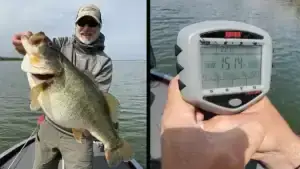
In the bass fishing world, there is an age-old debate about whether both largemouth and smallmouth bass should have a closed season. Some anglers and conservationists argue that it would protect bass populations to shut down fishing during the spawn, while others believe that modern catch-and-release ethics, better management practices, and scientific understanding make that unnecessary.
As someone who’s spent years chasing bass across the Northeast where both species are present, I firmly believe that there shouldn’t be a closed bass season anywhere in the United States. I know it’s a very bold statement, but let me tell you why.
Catch and Release Has Changed the Game
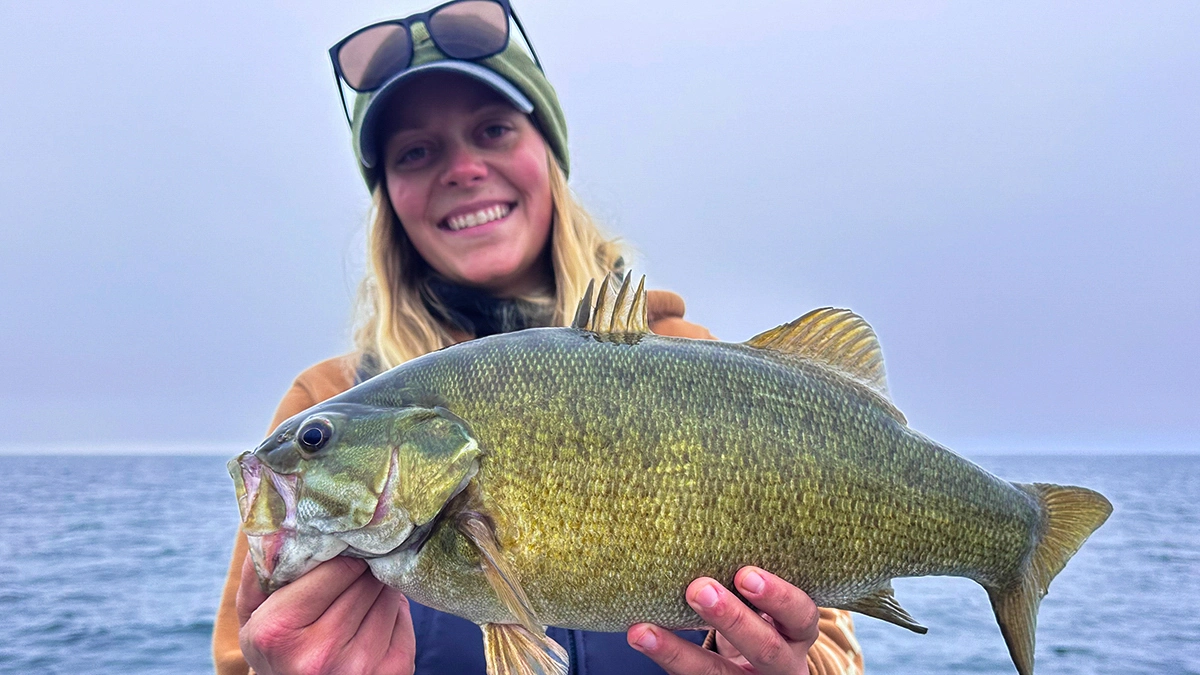
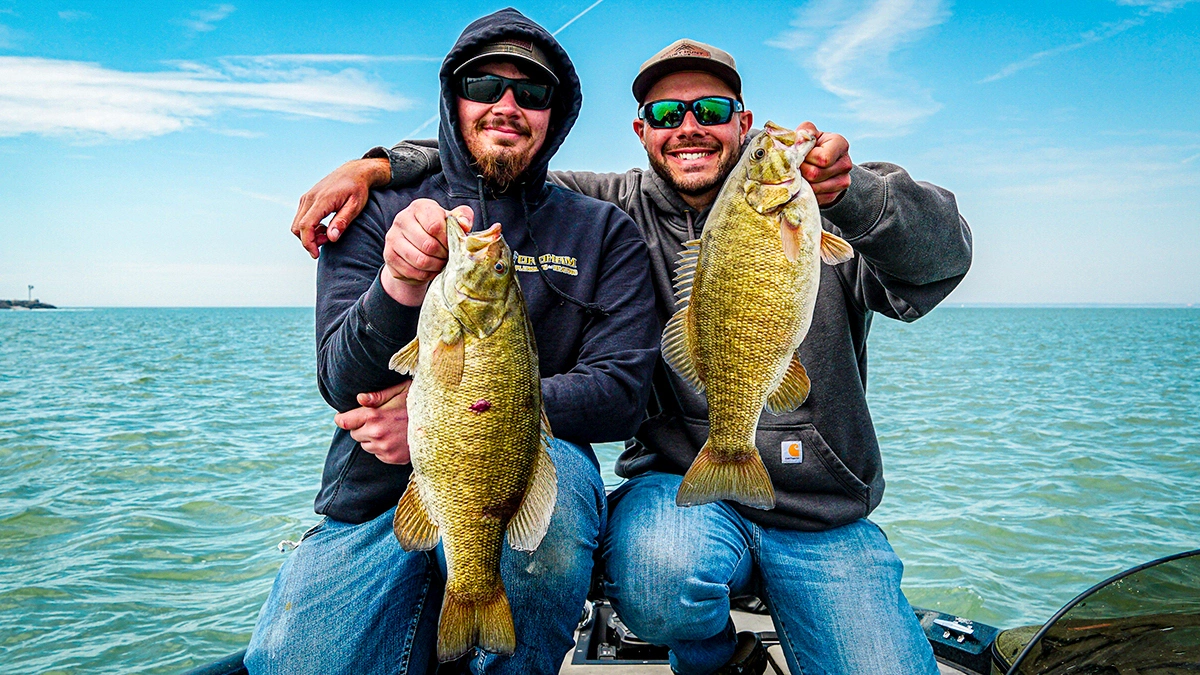
Not long ago, keeping a stringer full of bass was the norm—even in the early days of Bassmaster tournaments, it was full stringers of bass caught and kept to weigh in. But today, the vast majority of bass fishermen practice catch and release. Whether you’re tournament fishing or just out for a weekend on the lake, releasing your catch is now standard practice.
Because of this cultural shift, the old arguments for closed seasons, mainly to prevent overharvest during the spawn, don’t hold as much weight anymore. Modern anglers handle fish carefully, use better gear for safe releases, and understand the importance of protecting the resource. In many states, bass populations are thriving precisely because of this shift in mindset, not because of strict closures. Times have changed: It’s an extremely different mindset than it was many years ago.
Bass are Resilient: Nature Finds a Way
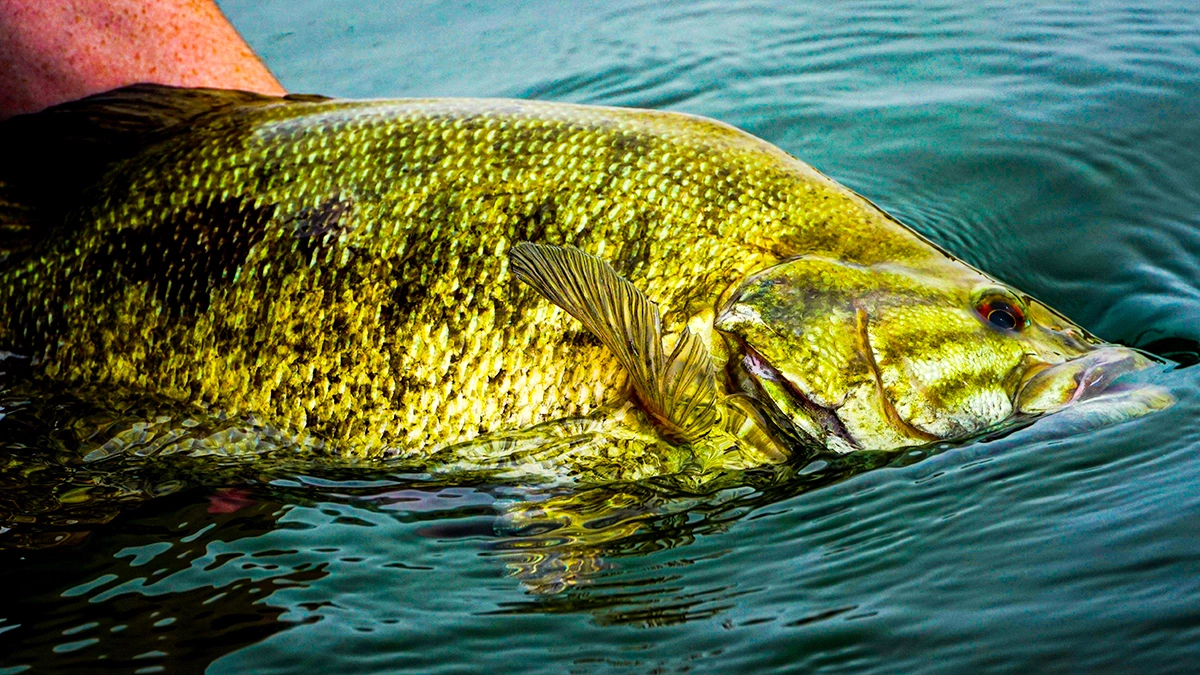
Bass are incredible survivors that can live almost anywhere there’s suitable water, spawn multiple times in their life, and find ways to maintain healthy populations in pressured lakes. Studies show that even in places where bass are heavily targeted during the spawn, like Florida or Texas, populations remain stable and strong year after year.
Male bass ferociously guard their nests. If one is caught and quickly released, he’ll often return to protect his fry. And while predators might get to some fry in the process, nature accounts for that: Bass lay thousands of eggs because only a small fraction ever reach adulthood. Fishing during the spawn doesn’t threaten the overall balance as much as some people think, it just shifts the odds a little.
The Economic Backbone of American Angling
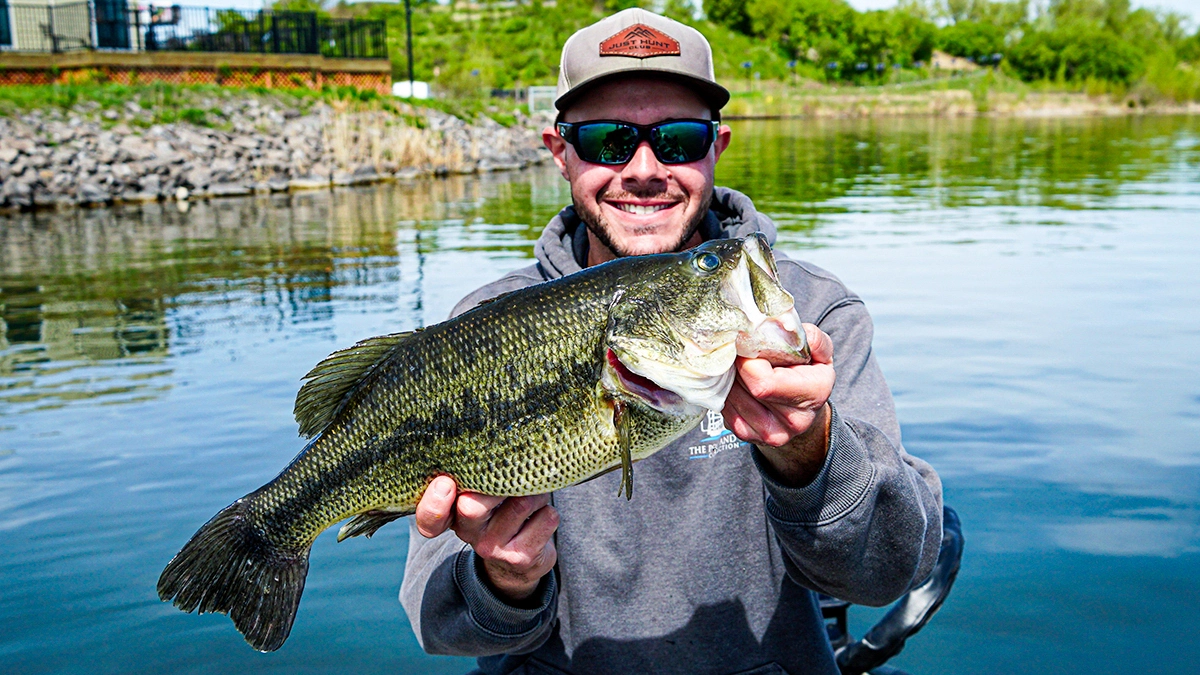
Bass fishing isn’t just a hobby, it’s a multibillion-dollar industry. From boats and tackle to tourism and tournaments, bass fishing drives local economies all over the country. Many small towns rely on year-round fishing activity to keep marinas, hotels, delis, stores and bait shops afloat.
If a closed season were implemented, those businesses would take a hit, especially in northern states—like New York, where I live—where the open season is already short. Telling anglers they can’t fish for bass for a couple of critical months could have a ripple effect far beyond the water.
Year-round fishing access keeps people outdoors, keeps money flowing, and keeps communities thriving. Responsible fishing isn’t the enemy of conservation; it’s actually a major part of it.
Education and Regulations Work Better Than Blanket Closures
Instead of banning fishing during certain months, the better path is educating anglers and enforcing smart regulations. Many areas already have slot limits, size limits, and seasonal catch restrictions (like allowing catch and release only) in place. These rules protect spawning fish without shutting down the season entirely. In my opinion, this is the best way to go about keeping an open bass season, with still a closure for keeping fish.
Today’s anglers are more educated than ever, with online resources quickly spreading information about fish care, handling, and conservation. The bass fishing community holds itself accountable: Most of us know not to throw a bedding bass in the livewell or to take endless photos while she’s out of the water. Smart, flexible management beats outdated closures every time.
The Spirit of Bass Fishing Is Year-Round
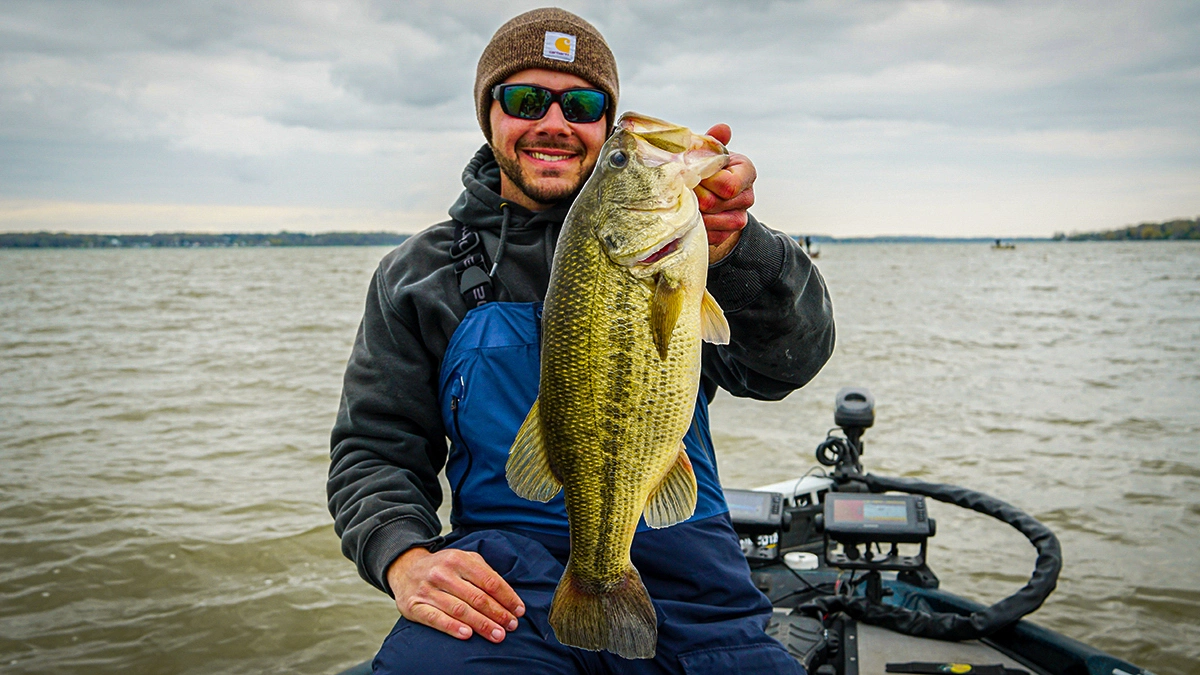
Bass fishing is a lifestyle, it’s not just about catching fish. Every season tells a different story: the slow grind of winter, the electric pre-spawn chase, the sight-fishing thrill of spring, the summer topwater explosions, and the strategic finesse and power of fall.
Shutting down that cycle interrupts not only fishing but also the rhythm connecting anglers to the outdoors. Part of what makes bass fishing great is that it’s a pursuit without a true off season. When you can fish all year, you stay tuned into the water, the weather, and the habits of the fish. You learn more, you get better, and you develop a deeper respect for the resource.
A closed season would rob many anglers of that connection, and for what gain? The fishery doesn’t need it, and the sport loses something special.
Successful States Prove It Works Without Closures
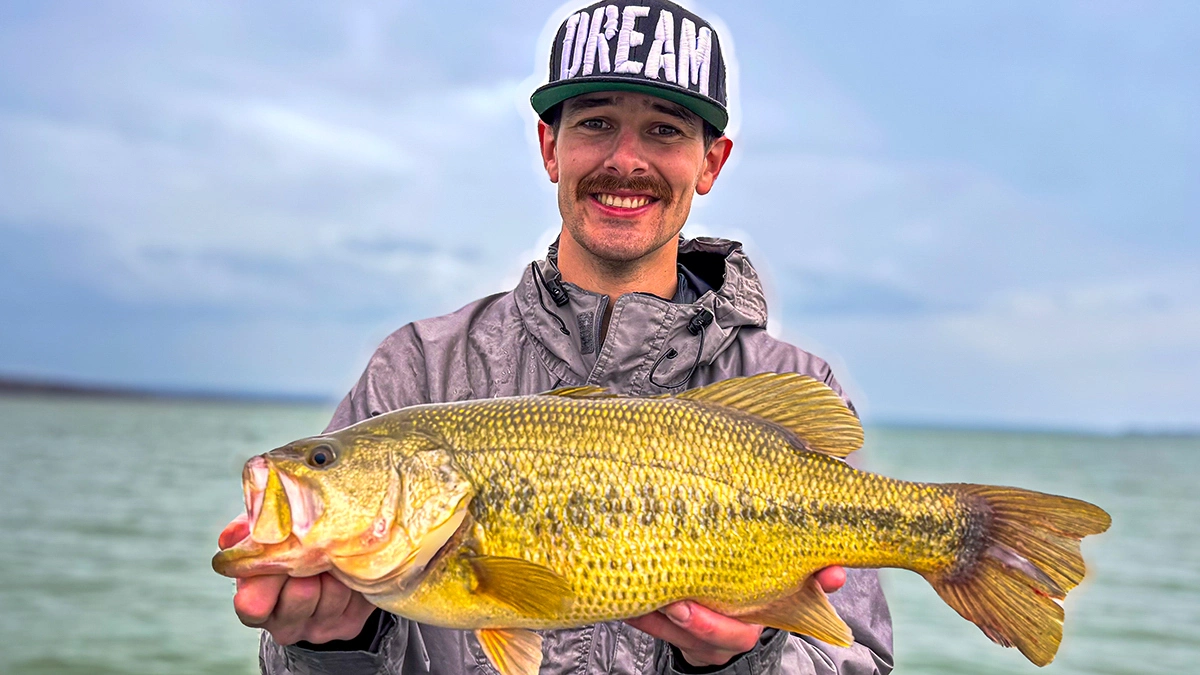
Look at states with no closed bass season and some of the healthiest bass populations on the planet, like Florida, Alabama, or Texas. Lake Okeechobee, Sam Rayburn, Guntersville, and Lake Fork are all world-renowned fisheries that see fishing pressure 12 months a year.
And they continue to produce trophy bass after trophy bass. Why? Because those states manage intelligently, educate anglers, and emphasize conservation rather than prohibition. Their approach shows that with proper management and a strong catch-and-release culture, bass can flourish without ever needing a closed season.
Conservation Through Participation
When anglers are on the water, they become stewards of that environment who report pollution, invasive species, and habitat issues. They volunteer for cleanups and habitat projects. When you close a season, you pull people away from the waters that they care so much about.
The more people fish, the more they invest in protecting fish. The license fees, excise taxes on tackle, and contributions to conservation programs all depend on active anglers. Keeping the season open year round keeps that cycle of conservation strong.
Keep It Open, Keep It Responsible

The argument for a closed bass season might sound good on paper but it doesn’t match the reality of modern fishing. Our understanding of bass biology—combined with widespread catch-and-release ethics and smart management—means we can protect the resource without shutting it down.
Bass fishing is part of the American outdoor identity, which is accessible, sustainable, and always evolving. As long as anglers continue to fish responsibly, respect the resource, and support science-based management, there’s no reason to close the season. The bass don’t need it, and neither do we.