Breaking off a big fish is one of the most demoralizing things in all of bass fishing, possibly second only to breaking your line on a personal record and losing your favorite bait. But snapping and breaking your line doesn’t have to be commonplace. There are some things you can watch out for to prevent this unwanted catastrophe from happening to you.
Quick Summary
- Make sure when you’re pairing your line, lure and rod, that you don’t overpower the line.
- Be sure to tie, lubricate and properly cinch down your knot when tying it.
- Check your drag often to make sure it’s not too tight or too loose.
- Regularly check for abrasions on your line.
- Don’t use old line that’s lost its strength and durability
Check Your Line Near the Lure

This may seem so simple to some, but regularly checking the last 4 to 5 feet of your line for abrasions is one of the best ways to prevent line breakage. This is because damaged line on that section of the line is one of the leading causes of fishing line failure.
If you’ve ever broken your line and then put the last few feet of line through your fingers, chances are it was pretty rough and beat up. Now this may have occurred on the prior cast because you got snagged on some rough cover. Or heck, maybe a fish fought you into some cover for instance and the cover rubbed your line and broke it.
But usually, abrasions like this come several casts prior to the actual break. And if you take the time to feel your line every now and then, especially if you pull your bait out of some cover, you’ll often feel a fray or nick on the line. Simply cut your bait off, retire and you’re good to go.
Don’t Overload Your Line
This one is a little easier to do if you’re not careful. Even with your drag set correctly, using too stiff of a rod action with too light of line is a recipe for disaster. For instance, no one has any need to use 12-pound-test fluoro with a 7-foot, 6-inch, heavy-action rod. The rod action is too stiff and would likely snap the line on the hookset, especially if a bass bites close to the boat.
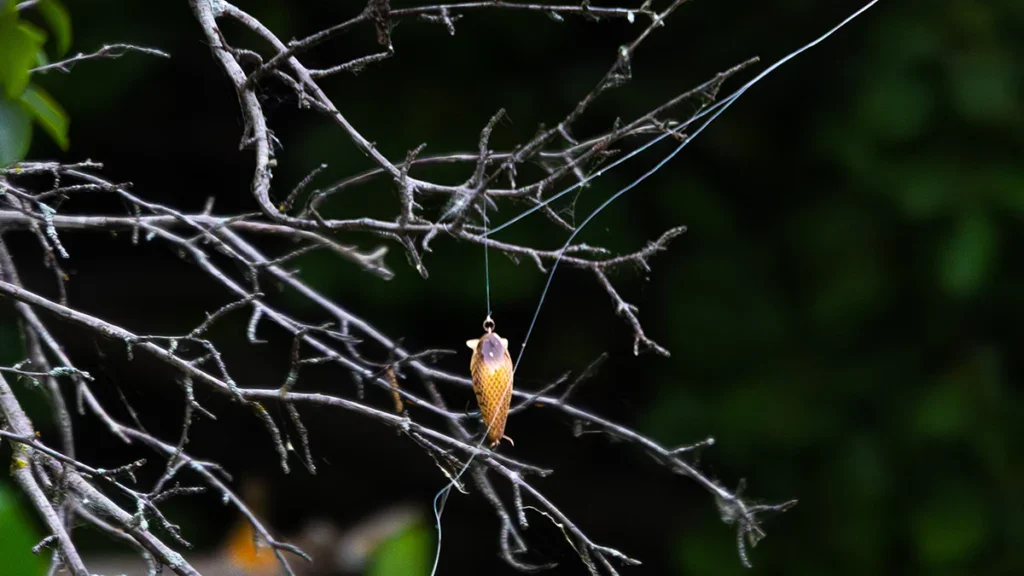
Using a heavy bass fishing bait like a glide bait with a light line is also a no-no. What will sometimes happen is that the line will snap in your backcast as you load the rod up and then start to bring it forward. Or, what’s even worse, you’ll be mid-cast and then the line will catch in your reel. Your line will snap and the bait will sail into the sunset, untethered to your rod. That’s no fun.
Check Your Drag
Another seemingly obvious action to include on your checklist, this one can still sneak up on even experienced anglers. It’s easy for your fishing reel drag to loosen or tighten when tossing your reel into the car or boat, since it’s controlled by the large star-shaped gear at your reel handle (and top of the spool for spinning reels).
Make sure that your drag isn’t set too tightly for the line you’re using; it’s critical when trying to avoid breaking your line. If you’ve got your drag set all the way tight and you hook a fish using 12-pound fluorocarbon, you’re likely going to snap your line. You want your drag to slip a little easier,especially the lighter the line. With heavier braids and larger fluoro, you can tighten it down pretty strongly, but even then you have to be careful around cover such as wood and rocks.
Learn to Tie Strong Knots
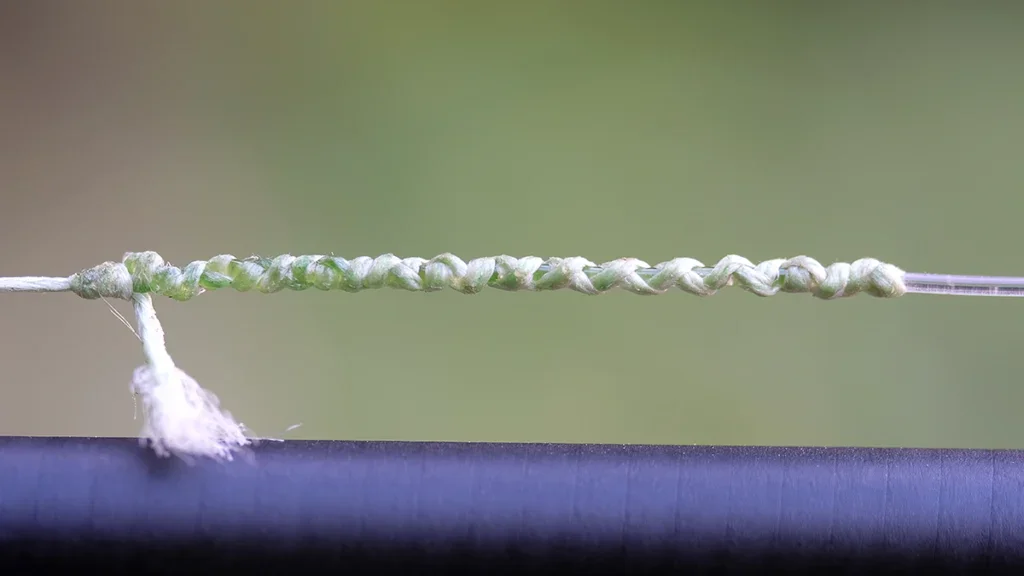
Your knot should be the strongest point in your line, but more often than not it’s the weakest. Many knot tests reveal that knots break at much lower stress than the pound-test line. Learning how to tie, lubricate and cinch down the best bass fishing knots is absolutely critical when trying to avoid breaking your line.
Some knots are stronger than others — that is a fact. For example, the popular palomar knot might not be as strong as you think it is. Meanwhile, a line-to-leader knot such as the FG knot is incredibly strong. But what’s more important is feeling comfortable tying a few time-tested knots, which the palomar definitely is! To play it safe, consider the 50 percent rule. Don’t set your drag at more than 50 percent of your pound-test line. For example, don’t go over 10 pounds of drag if using 20-pound-test line. This will help prevent potential knot failures.
A poorly tied knot that isn’t lubricated before it is cinched down will actually cut into itself, causing the line to break in the knot. You’re fortunate if this happens while you’re cinching the knot down and it often does. But it’s a real bummer when this happens on the hookset instead, which is the second-most likely moment for a line breakage to occur due to a bad knot.
Don’t Use Old Line
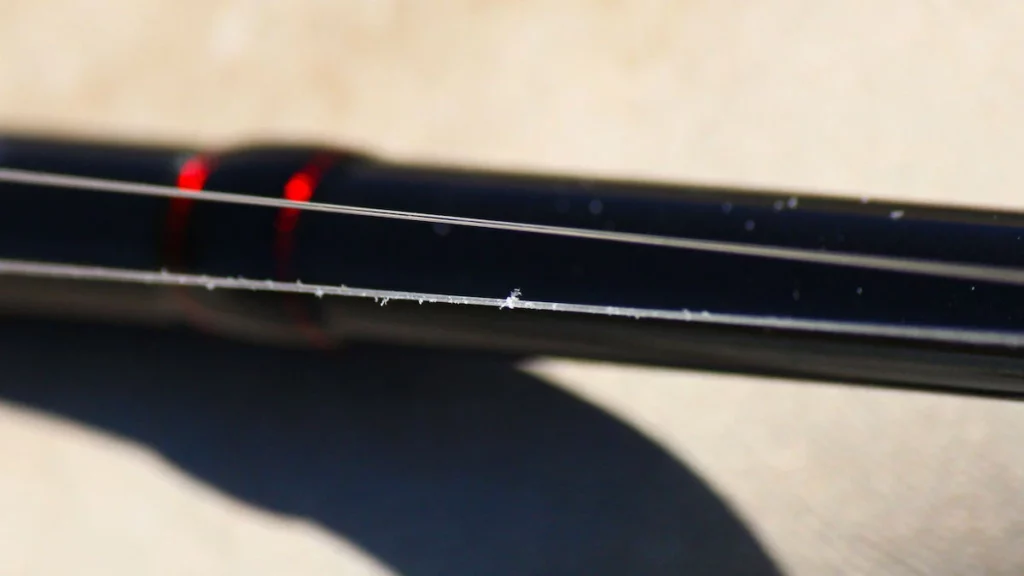
This might be the most common mistake new anglers make when receiving a hand-me-down rod and reel from a grandfather or friend. I can’t cast the line far! Why does it keep breaking? The culprit is likely an old fishing line that needs to be thrown away. Using old fishing line is a recipe for failure because materials like monofilament and fluorocarbon are highly susceptible to UV degradation, heat, and memory. Over time, exposure to the sun breaks down the chemical bonds in the plastic, causing the line to become brittle and milky in appearance. This leads to snapping under the tension of a hookset or while fighting a fish, often at the most critical moment.
Further, as the line sits on a spool for months, it develops a permanent coiled shape known as memory, which drastically reduces your casting distance and increases the frequency of tangles. Even braided lines, which are more resistant to the sun, eventually suffer from micro-abrasions and fraying that compromise their integrity. Regularly respooling your reels ensures that you’re maintaining strong connections to lures and fish, protecting your expensive gear from possible damage, and even preventing the spread of fishing line pollution in our ecosystems.