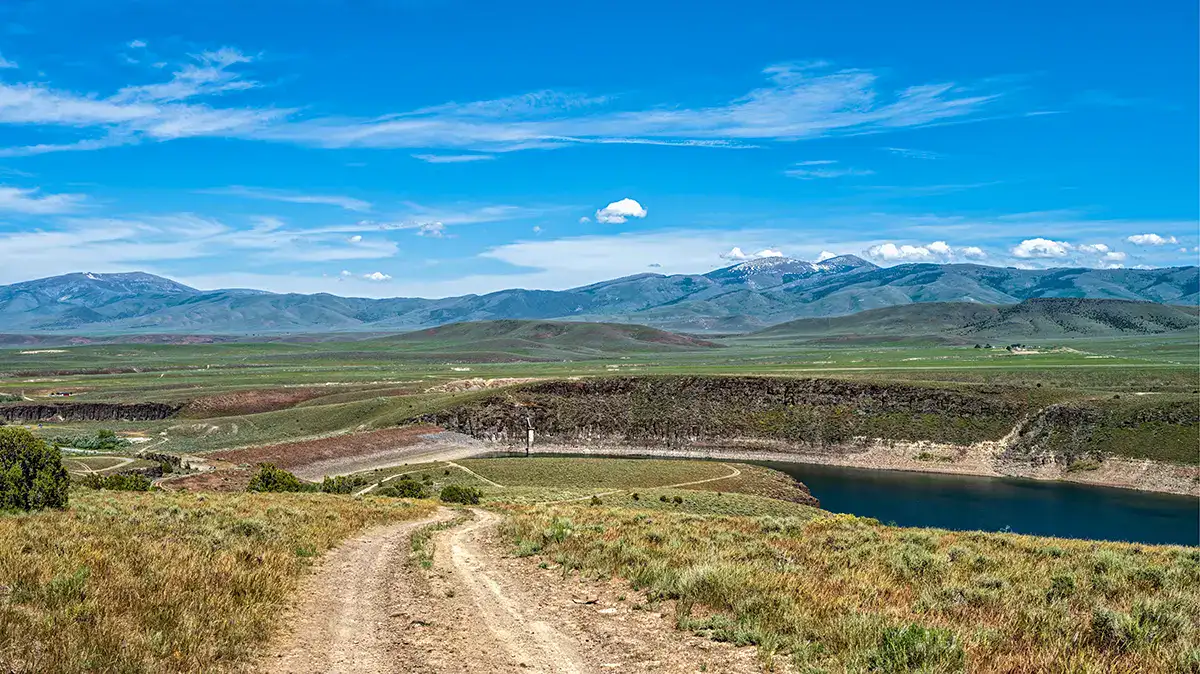
The water is going out of Oakley Reservoir, and Idaho anglers have until Nov. 1 to take advantage of what remains.
Idaho Fish and Game issued a fish salvage order for Oakley Reservoir effective Aug. 13 through Nov. 1, 2026, after the reservoir’s water supply was depleted by irrigation demands. Oakley Canal Company is drawing down Lower Goose Creek Reservoir, better known as Oakley Reservoir, following a below-normal snowpack and delivery of the reservoir’s entire active storage capacity.
For the fish living there, the shrinking water isn’t just a matter of having less room. As the reservoir drops, water temperatures are becoming unsuitable for the cold- and cool-water species in the fishery. So Idaho is giving anglers an opportunity to harvest those fish before the remaining habitat deteriorates further.
Under the salvage order, anglers can take fish by any method except firearms, explosives, chemicals, or electric current. There are no bag, possession, or size limits during the salvage period. A valid Idaho fishing license is still required.
When The Water Goes, The Fish Go With It
Oakley’s drawdown is part of a familiar pattern playing out across the West. Earlier this year, Wired2fish reported on a series of Western reservoirs where drought and declining water levels were putting entire fisheries at risk.
At San Carlos Lake in Arizona, drought and water releases resulted in a fish kill that officials estimated affected approximately 100 percent of the fish population. The lake was subsequently closed.
In Oregon, fisheries managers took a more proactive approach at Thief Valley, Pilcher Creek, and Wolf Creek reservoirs. Officials suspended bag and size limits after determining that the reservoirs could be drained by late summer. The idea was to give anglers a chance to catch the fish before the water became unsuitable for them, as Idaho is doing with Oakley.
Colorado faced a similar problem at Antero Reservoir. As Denver Water drew down the reservoir, wildlife officials worked to concentrate and relocate some fish. Not all of them could be saved. Colorado also removed harvest restrictions at Nee Noshe Reservoir as drought conditions threatened the fishery.
Utah has responded with increased harvest opportunities at Crouse Reservoir and Nine Mile Reservoir as water levels decline.
The circumstances vary from reservoir to reservoir, but the problem is much the same. Less water means less habitat. As reservoirs shrink, water can warm and dissolved oxygen can decline, leaving fish increasingly concentrated in areas that may not be able to support them through the summer.
Oakley’s Fishery Isn’t Gone For Good
Once conditions improve, fisheries staff will evaluate the Oakley Reservoir and work toward restoring the fishery. That could include stocking and other management actions, including efforts to restore walleye. The timing will depend on future water availability and habitat conditions.
Anglers who fish Oakley should be aware of the temporary regulations and the reason behind them. The salvage period runs from Aug. 13 through Nov. 1, and a valid Idaho fishing license is still required.
For additional information, contact the Idaho Fish and Game Magic Valley Regional Office at (208) 324-4359.