Want to make six figures catching fish? That’s hard to do, but one angler in the Pacific Northwest made it happen this past summer. And it wasn’t by catching market favorites like tuna or swordfish, but rather a smaller, less understood species: the northern pikeminnow.
An anonymous angler turned a summer of grinding on the river into a $159,310 paycheck by removing northern pikeminnows from the waters in Washington and Oregon. The money is provided by the Northern Pikeminnow Sport Reward Program, an incentive program aimed at helping struggling salmon and steelhead in the Columbia and Snake rivers. The only bigger payout came last year, when another angler topped $164,000.
“He’s the Michael Jordan of pikeminnow fishing,” Eric Winther, program manager with Washington Department of Fish and Wildlife (WDFW), told the Tri-City Herald. “He’s just on another level.”
What Are Northern Pikeminnows?
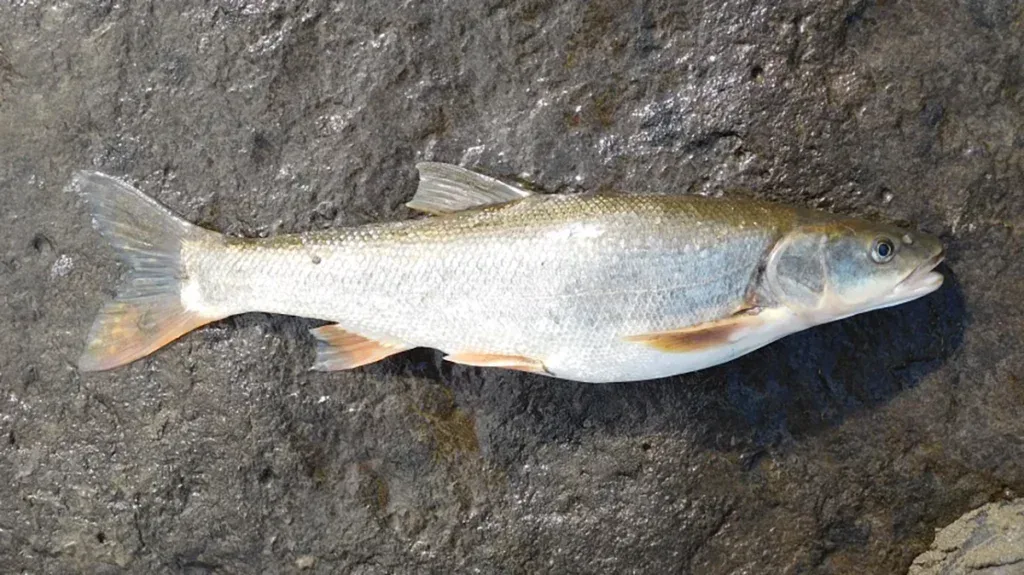
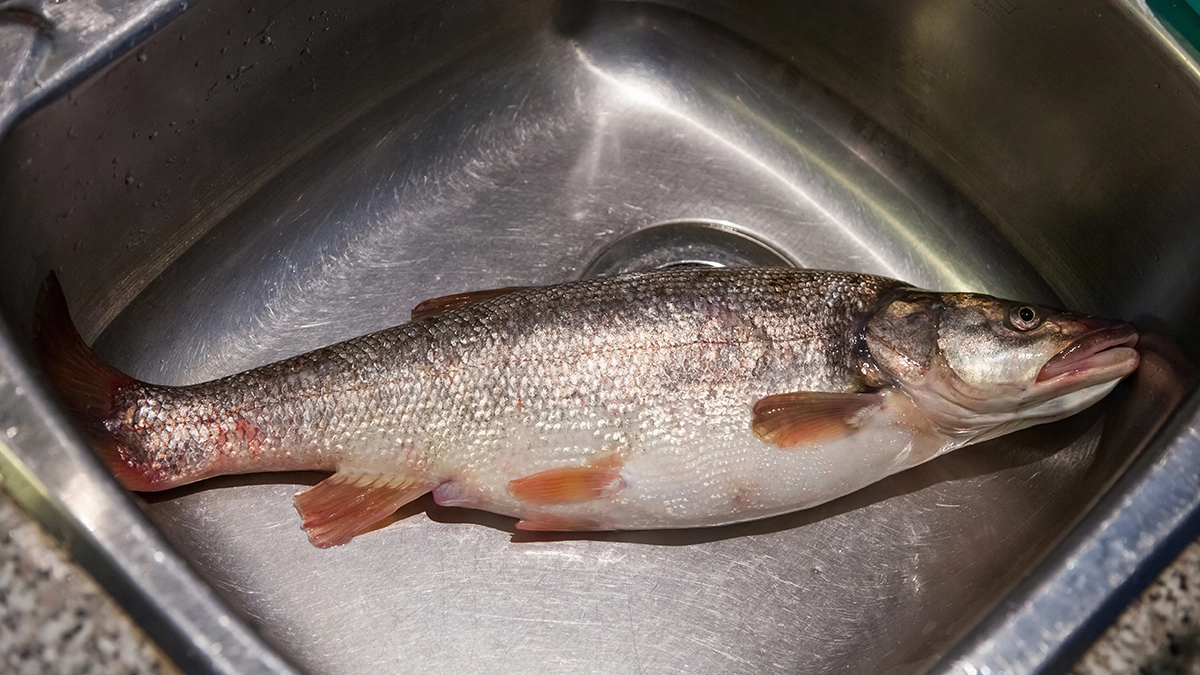
Northern pikeminnows are native freshwater predators of the Pacific Northwest, often misunderstood and unfairly labeled as “trash fish.” Formerly known as squawfish, these long, torpedo-shaped members of the minnow family inhabit rivers and reservoirs from California to British Columbia, with a stronghold in the Columbia River Basin. They’re opportunistic feeders, preying on smaller fish — including juvenile salmon — along with insects and crustaceans. Aggressive and surprisingly powerful on light tackle, pikeminnows can reach over 20 pounds, making them a legitimate sportfish when targeted intentionally. For anglers, they offer fast action, a strong fight, and an important role in understanding the region’s complex aquatic ecosystems.
But, northern pikeminnow can be considered harmful because of their impact on young salmon and steelhead populations. In large river systems, especially those altered by dams and reservoirs, pikeminnows thrive in the slower water and feed heavily on migrating juvenile salmon (smolts), sometimes consuming thousands over their lifetime. This predation can significantly reduce the number of salmon that survive to reach the ocean, adding pressure to already threatened fish runs. While pikeminnows are native and play a natural role in the ecosystem, human-made changes to rivers have tipped the balance in their favor, allowing their numbers and feeding efficiency to increase beyond historical levels.
What Is The Northern Pikeminnow Sport Reward Program?
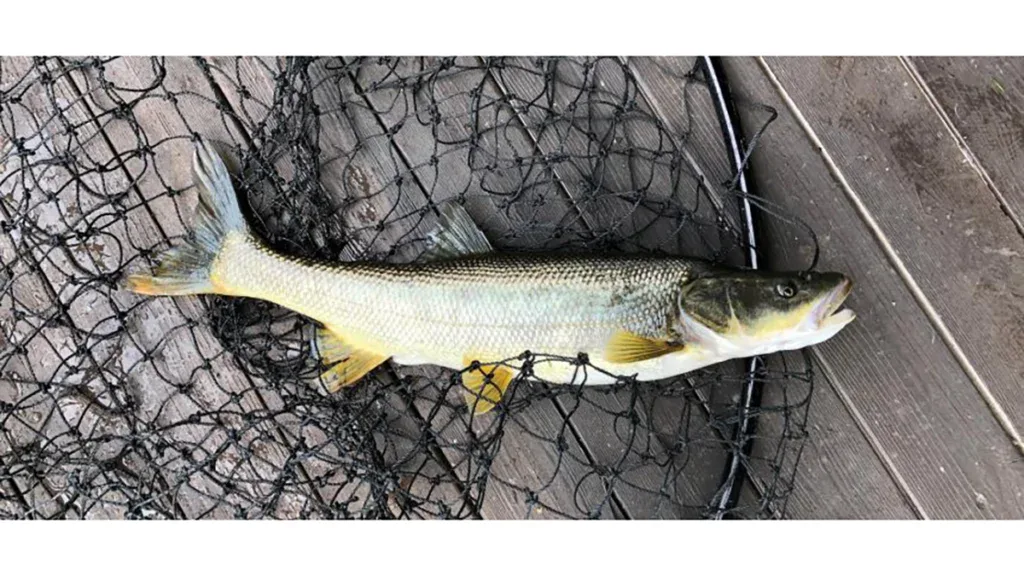
The Northern Pikeminnow Sport Reward Program is a long-running angler incentive program in the Columbia and Snake River systems designed to reduce predation on juvenile salmon and steelhead. Recreational anglers are paid cash rewards for catching and turning in northern pikeminnow over a minimum size, with higher payouts for larger fish and frequent participants. By encouraging targeted harvest, the program helps protect vulnerable salmon runs while giving anglers a unique opportunity to earn money, enjoy fast action fishing, and contribute directly to conservation efforts.
The goal of the program isn’t to wipe pikeminnows out. Instead, managers aim to remove 10 to 20% of the big, predator-sized fish each year. Fewer big pikeminnows means way fewer baby salmon getting eaten. Since the program started 35 years ago, nearly 6 million pikeminnows have been removed, and biologists estimate predation on juvenile salmon and steelhead has dropped by up to 40%. In 2025 alone, 12,625 anglers signed up, averaging just under 12 pikeminnows per angler per day.
Those bounty checks are paid by the Bonneville Power Administration, which helps fund the program to offset the damage hydroelectric dams cause to salmon and steelhead runs. The program itself is run by the Pacific States Marine Fisheries Commission, with help from WDFW and Oregon Department of Fish and Wildlife (ODFW), who handle check stations, tagging fish, and tracking how well the program works.
How The Northern Pikeminnow Sport Reward Program Pays
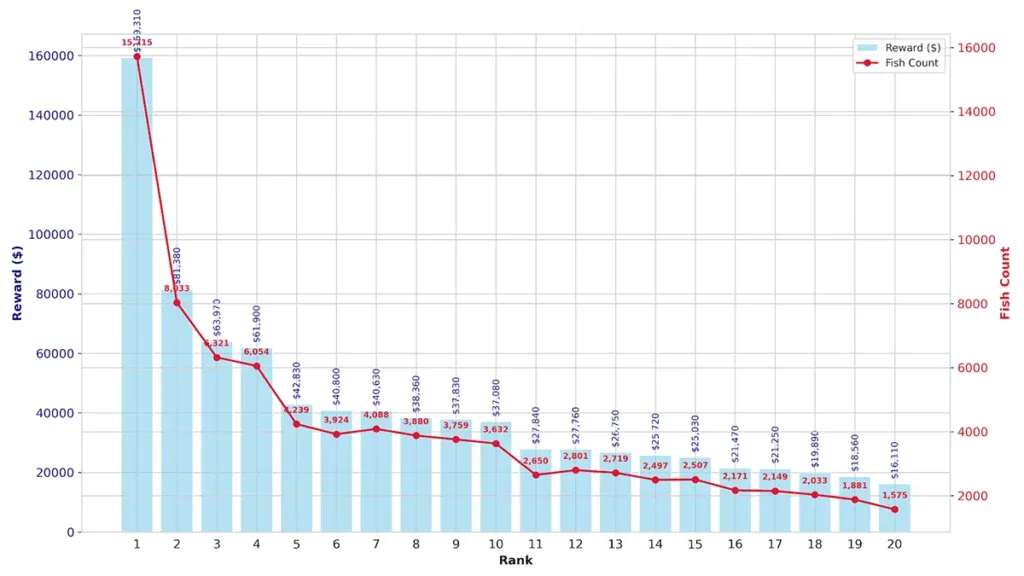
The payout structure rewards volume. Anglers earn $6 per fish for the first 25, $8 per fish from 26 to 200, and $10 per fish after that. On top of that, some pikeminnows are fitted with tags that offer an even greater reward to increase the incentive for anglers. Oregon uses internal tags worth $200, while Washington uses external tags worth $500.
The 2025 top earner didn’t hit any $500 tags but did catch a few internal-tag fish along the way.
The regular season runs May 1 through Sept. 30, but this year it was extended to Oct. 12 at select stations, adding 12 extra days during a time when fishing is often lights-out.
Anglers have to register each day they fish, either at a station or through the Pikeminnow Registration app. Fish must be at least 9 inches long, caught within program boundaries, and turned in fresh the same day. A valid fishing license is required, and all state regs apply.
A Whole Lot of Northern Pikeminnows
During the 2025 season, the program’s top earner stacked an absurd 15,715 pikeminnows. Even deeper down the leaderboard, the top 20 anglers still averaged around 4,100 fish apiece, cashing roughly $41,700 each over the five-month grind.
The program doesn’t name names, but Winther offered insight into what separates the elite from everyone else. And unsurprisingly, it starts with time on the water.
“[The top earner] basically lives on his boat for five months,” Winther said. While a boat isn’t mandatory, it’s a massive advantage when fish slide with changing flows and conditions.
Experience is the real edge. The top angler has spent roughly 25 years chasing pikeminnows and logs everything, including water temps, flows, wind direction, barometric pressure.
“They’re easy to catch,” Winther said. “They’re just hard to stay on consistently.”
According to Winther, early morning, late evening, and full darkness are when numbers spike, leading serious pikeminnow anglers to fish deep into the night. He expects future seasons to stay strong, especially if lower river levels continue to concentrate fish.
For all the details, head to pikeminnow.org or call 800-858-9015.