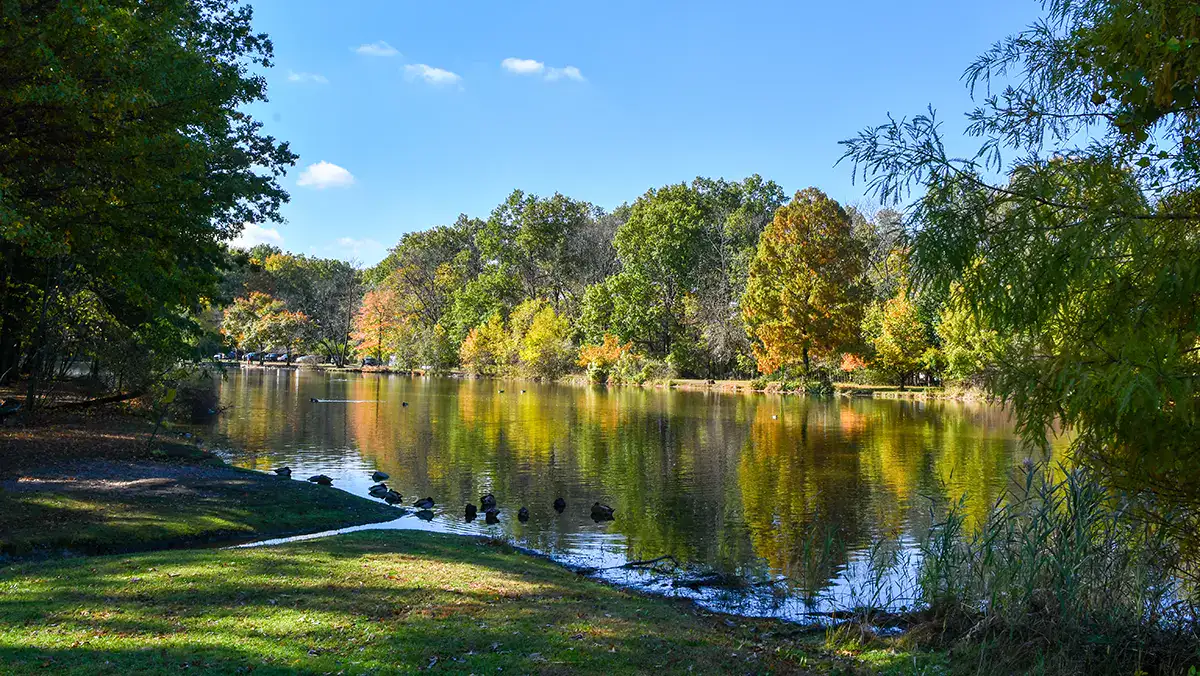
Anglers, boaters and anyone planning to get on the water at Clove Lake need to stay away. New York City officials have suspended fishing and boating at the Staten Island lake following revelations that human waste may have contaminated the water for decades.
The closure comes after The New York Post reported on what it described as an “open secret” involving sewage contamination at Clove Lakes Park. According to the report, the problem may have gone on for 20 years or more.
Authorities are testing the water to determine just how serious the problem is, and what must be done before recreational activities can resume.
Fishing At Clove Lake
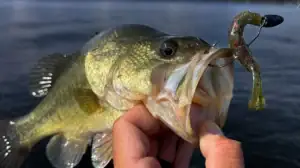
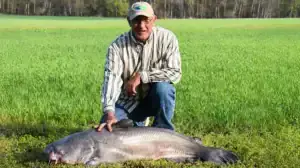
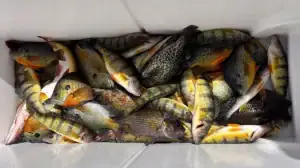
Clove Lake on Staten Island has historically offered anglers a diverse mix of freshwater species, making it a popular urban fishing spot. Among the fish commonly encountered are brown bullhead, bluegill, pumpkinseed sunfish, golden shiners, common carp, and, historically, largemouth bass.
Brown bullhead have been particularly abundant: a 2022 New York State Department of Environmental Conservation (DEC) survey found them to be one of the most prevalent fish in the lake. Bluegill and pumpkinseed are often encountered by anglers, and carp are also present in good numbers.
Largemouth bass are an angler favorite in Clove Lake, although recent surveys indicate that their numbers are relatively low compared with other Staten Island waters. Black crappie and other panfish have also been reported in the interconnected waters of Clove Lakes Park.
The lake’s vegetation and shoreline structure can provide habitat for a variety of species, contributing to its reputation as a productive urban fishery. Historically, Clove Lake was a catch-and-release fishery, but fishing is currently not permitted.
NYC Suspends Fishing and Boating at Clove Lake
The New York City Department of Parks & Recreation announced the closure Friday evening, saying: “out of an abundance of caution, fishing and boating will be suspended in Clove Lakes Park while we await water testing results.”
Anglers should not fish Clove Lake until officials lift the suspension. The closure also affects boating, though boat rentals through Clove Lake Boats were reportedly still operating earlier in the week.
The Post spoke with boat-rental employees who said boats had continued going out on the lake even after the sewage revelations became public. According to those workers, rental sales had fallen after the contamination story broke. Now the boats are off the water.
How Long Has Clove Lake Been Contaminated?
This is where the story gets particularly disturbing for anglers. The sewage problems reportedly aren’t new, going back two decades or more.
A plumber who worked at The Stone House at Clove Lakes Park approximately 20 years ago told The Post that plumbing problems were happening long before the restaurant’s current operators took control. His account described repeated problems:
“They had lots and lots of stoppages, every time you turned around they were calling, their dishwasher was always stopping up, our snakes would pull up mud, we didn’t know where it came from.”
The full extent and duration of contamination remains subject to investigation.
Collapsed Sewer Line Adds Another Twist
A 2022 licensing agreement between the operator of The Stone House and the New York City Parks Department reportedly set aside $200,000 for repairs, including work involving, “drainage structures,” plumbing, and utilities.
Then, a July amendment to the agreement reportedly acknowledged that “a sewer line collapsed.”
As officials moved to address the situation, The Stone House reportedly took action to prevent sewage from reaching the lake.
According to The Post, the restaurant installed PVC pipes to reroute its sewer line away from Clove Lake and directly into a Parks Department manhole. The restaurant also installed outdoor trailer bathrooms that reportedly don’t connect to the sewer line.
Monitoring Clove Lake
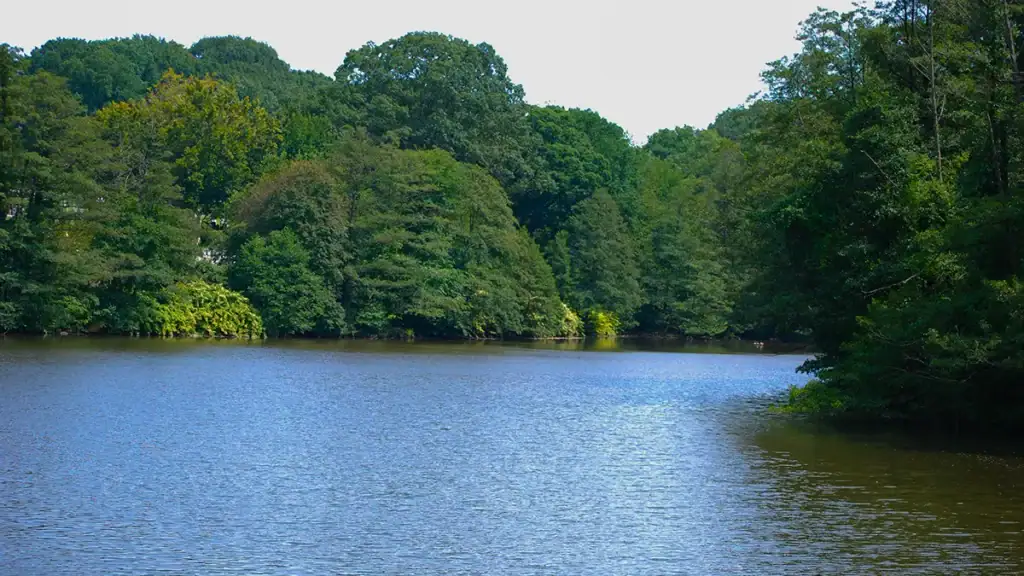
NYS DEC is responsible for monitoring Clove Lake, while the lake and park themselves are owned by New York City. The DEC is conducting water testing to determine what measures may be necessary to address the contamination. Officials are examining what needs to be done to disinfect the lake following “decades of pollution from human waste.”
Until Clove Lake’s water is deemed safe, anglers should find somewhere else to fish.