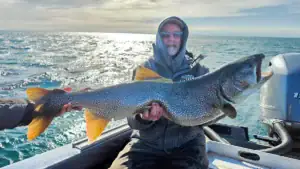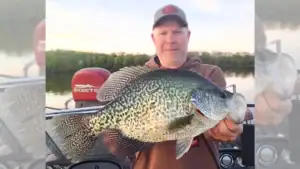
A popular reservoir, regarded as a trophy largemouth bass, black crappie, and flathead catfish fishery, has lost all of its fish in a massive die off. But the closure of Arizona’s San Carlos Lake is just the tip of the iceberg, with prolonged droughts and falling water levels wreaking havoc on fisheries across the West.
According to a public notice from the San Carlos Recreation and Wildlife Department, recent drought conditions combined with water releases from the lake’s dam triggered a catastrophic fish kill that affected “approximately 100% of the fish population.” The agency closed the lake indefinitely, citing health and safety concerns from decomposing fish, and prohibiting fishing, fish harvest, possession of fish, and all fishing-related recreation.
Fisheries managers in several Western states are bracing for the worst, with some effectively just throwing in the towel and hoping anglers can at least hook a few before the water disappears.
San Carlos Lake: A Complete Collapse
The San Carlos Recreation and Wildlife Department announced the closure after determining that drought conditions and dam operations had resulted in a major fish kill affecting nearly every fish in the reservoir.
Officials warned that decomposing fish may pose health risks to visitors and urged the public to avoid the area until conditions improve. The department said it will continue monitoring the lake and provide updates as they become available.
The long-term outlook for the fishery remains uncertain. With the department reporting a complete loss of fish, recovery will likely depend on future water conditions and restocking efforts. For now, one of Arizona’s most recognizable fisheries is effectively gone.
Oregon Reservoirs Expected to Run Dry
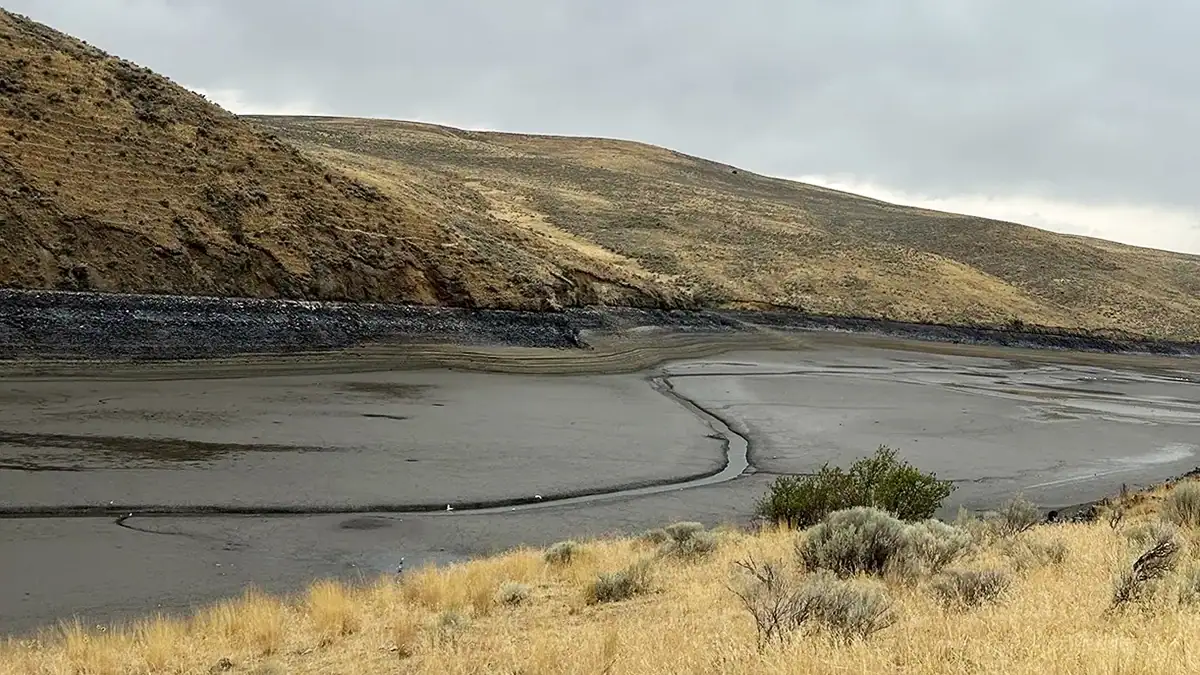
The situation is nearly as dire in parts of Eastern Oregon, where fisheries managers are encouraging anglers to race against time.
The Oregon Department of Fish and Wildlife (ODFW) announced on May 29 that it would suspend bag limits and size restrictions on rainbow trout and bass at Thief Valley Reservoir, Pilcher Creek Reservoir, and Wolf Creek Reservoir through Sept. 30. The reason? Officials expect the reservoirs to be drained by the end of August.
“Drought conditions in Eastern Oregon” prompted the emergency regulation changes, according to ODFW. Biologists believe anglers should have the opportunity to harvest fish before shrinking water levels render survival impossible.
“With the reservoirs expected to drop so quickly this summer, modifying the fishery now gives people the best chance to make use of these fish before conditions deteriorate,” said Tyler Hoyt, ODFW Assistant District Fish Biologist in La Grande. “While it’s always disappointing to see reservoirs go dry, allowing additional harvest ensures that these fish are used.”
As water levels continue falling, stocked trout and warmwater game fish will likely become trapped in isolated pools. ODFW expects many of those fish to die as water temperatures increase, oxygen levels decline, and remaining pools eventually dry up.
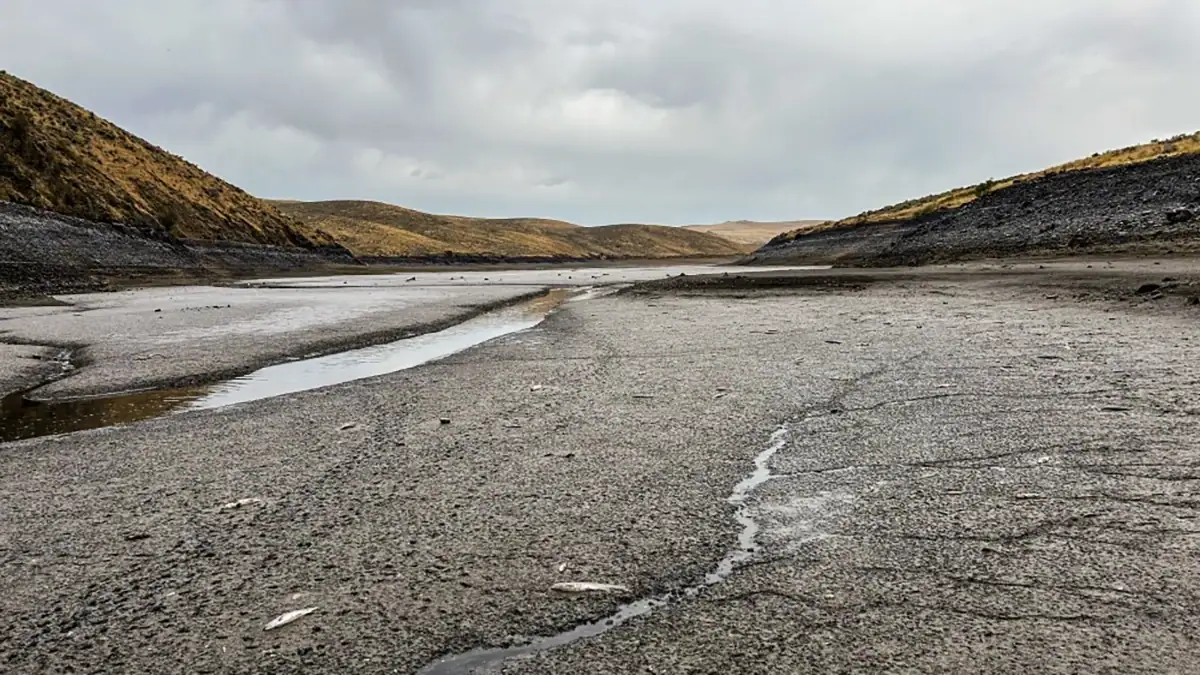
Among the Oregon reservoirs, Thief Valley faces perhaps the most troubling outlook. Hoyt told NBC News that conditions could reduce the reservoir to only a handful of scattered ponds by late summer. The reservoir dried completely in 2024, leaving large numbers of fish stranded in mud.
If current forecasts hold, fisheries managers expect a similar scenario this year. The fish that anglers don’t harvest will likely become trapped in isolated pools where warm water, low oxygen levels, or complete dewatering will cause widespread mortality.
ODFW expects Pilcher Creek Reservoir to be drawn down completely by the end of August. While the reservoir currently remains open, officials believe that remaining trout and warmwater species will face increasingly stressful conditions as water levels decline throughout summer. After the drawdown, officials expect any fish left behind to suffer significant mortality.
Wolf Creek Reservoir faces a nearly identical forecast. Experts anticipate a drained reservoir by late summer, prompting ODFW’s decision to suspend normal harvest regulations. Fisheries managers hope anglers can utilize fish populations before habitat conditions deteriorate beyond the point of survival.
Colorado’s Fish Salvage Strategy
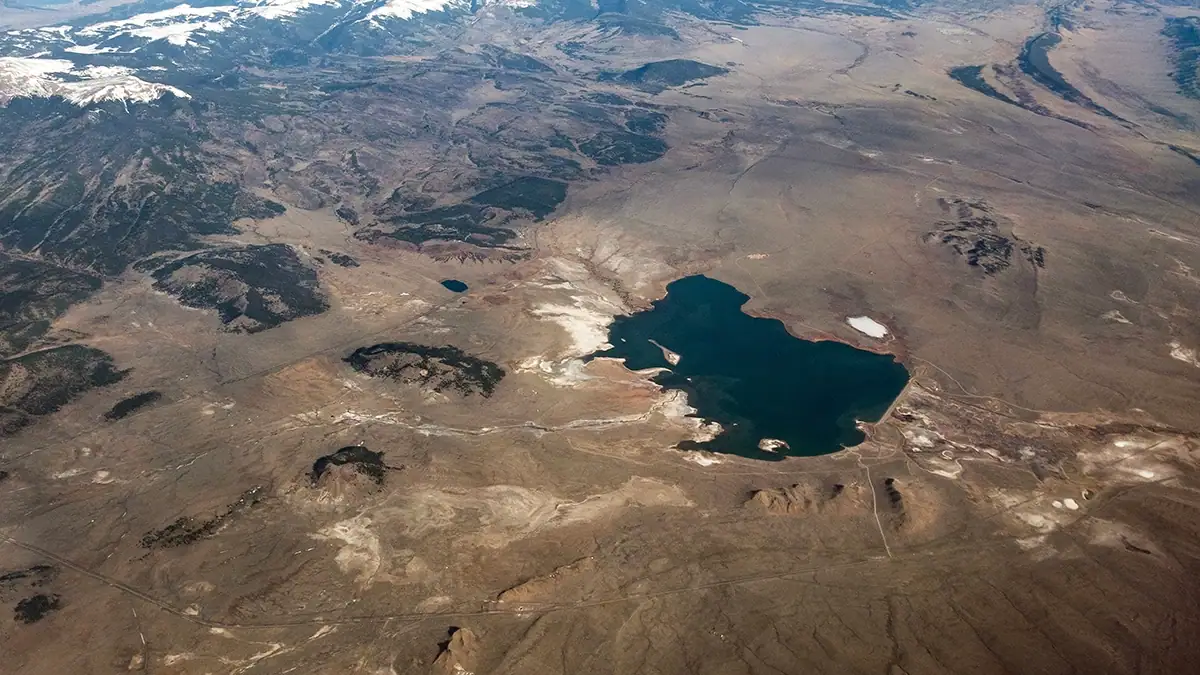
Colorado wildlife managers are employing a different approach, but the underlying concern is the same. Officials temporarily removed bag and possession limits this spring at Antero Reservoir as Denver Water began drawing down the reservoir to reduce evaporation losses and move water elsewhere in the system. Denver Water estimates the operation could save the equivalent of roughly 2,500 Olympic-size swimming pools of water by transferring supplies from one of the most evaporation-prone reservoirs in its system. Public access to Antero Reservoir has now closed as draining operations proceed.
Kara Van Hoose, a public information officer at Colorado Parks and Wildlife (CPW), told NBC News that biologists are attempting to concentrate remaining fish using screens and may employ electrofishing techniques to relocate some fish to other waters. Even so, officials acknowledge that not every fish will survive. CPW estimates that approximately 5 million fish, primarily trout, have been stocked in the reservoir since 2020.
The final outcome will depend on how much water remains and how successful salvage operations prove to be. Unlike San Carlos Lake, where the fish kill has already occurred, Antero remains in a race against time. The reservoir has experienced similar drawdowns before, including a drought-related operation in 2002 and a maintenance-related draining in 2015.
Colorado has also approved a period of unlimited fishing at Nee Noshe Reservoir in the state’s southeastern region, according to Colorado Public Radio. Officials anticipate drought-related impacts there as well, though details regarding final water levels and fish survival remain less clear.
Utah Joins the Trend
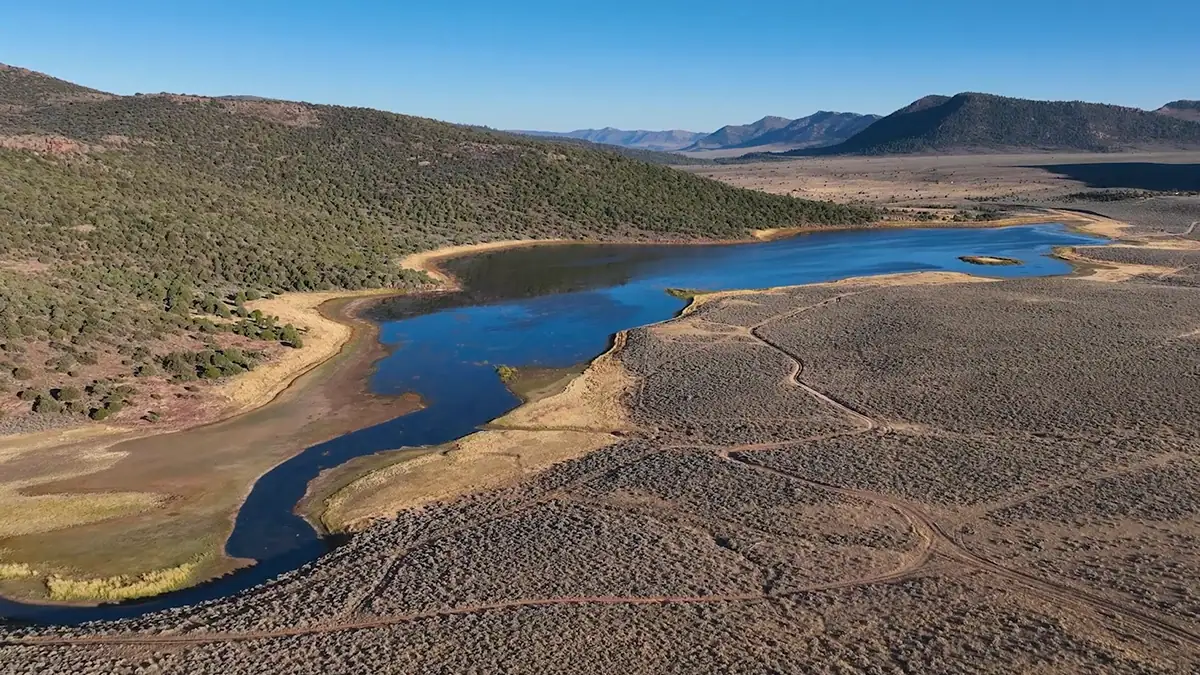
Utah has also responded to drought pressures by increasing harvest opportunities at Crouse Reservoir and Nine Mile Reservoir.
While state officials have not announced complete fish kills or reservoir closures, the changes indicate concern about water availability and fish survival due to upcoming drawdowns.
A Troubling Trend
The fish kills and emergency regulation changes occurring across Arizona, Oregon, Colorado, and Utah relate to a broader drought pattern affecting much of the West. Colorado, Utah, Wyoming, and New Mexico reportedly experienced record-low peak snowpack levels, while most of Oregon remains in drought conditions.
For fisheries, the consequences are straightforward. Lower water levels mean higher water temperatures, reduced dissolved oxygen, shrinking habitat, and increased vulnerability to disease and mortality. In reservoirs deliberately drained for water conservation purposes, fish may lose habitat altogether.
The coming months could bring more emergency regulations, additional fish salvage efforts, and potentially more fish kills as summer heat intensifies.