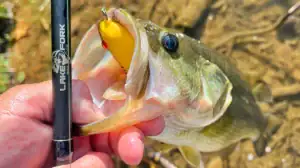
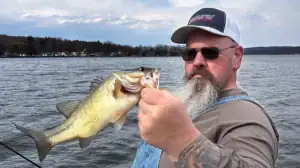
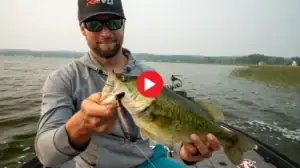
“Matching the hatch” isn’t just an old fishing cliché—it’s one of the most important lessons in bass fishing. Dustin Connell explains how closely observing baitfish size and adjusting your plastic size can completely change your results on the water. When fish are dialed in on a certain size profile, even a half-inch difference in your lure can make or break the bite.
Featured Product
• SWIMBAIT – Rapala CrushCity The Mayor Swimbait: Buy at Bass Pro Shops | Buy at Tackle Warehouse | Buy at FishUSA
Why Plastic Size Matters
Bass feed visually, and their instincts cue on what’s naturally abundant. If baitfish are small, a downsized 2.5- or 3-inch soft plastic mimics that forage. But when shad, herring, or other baitfish grow larger, increasing plastic size often triggers more aggressive bites from bigger bass. Connell stresses that anglers must pay attention to the baitfish around them—sometimes that means upsizing your lure to match the bigger forage profile fish are keying on.
Adjusting Presentation
Connell recommends keeping several rods rigged with different plastics to quickly rotate sizes and presentations. A 2.5-inch bait may excel during the fall when baitfish are smaller, while a 4-inch version draws more attention when forage is mature. He also notes the versatility of soft plastics—swimbaits can be fished solo or as trailers on spinnerbaits or bladed jigs for added flash and action.
Experiment and Observe
Whether it’s summer, fall, or winter, constantly experiment with size to match what fish are feeding on. Watch for shad or blueback herring activity, check what bass spit up in the livewell, and adjust the lure accordingly. Matching plastic size to active baitfish is a simple but powerful way to turn lookers into biters.
Boat Setup
- BOAT – 2025 Ranger Alpha 208: Check out at Ranger
- MOTOR – Mercury Pro XS 250hp: Check out at Mercury