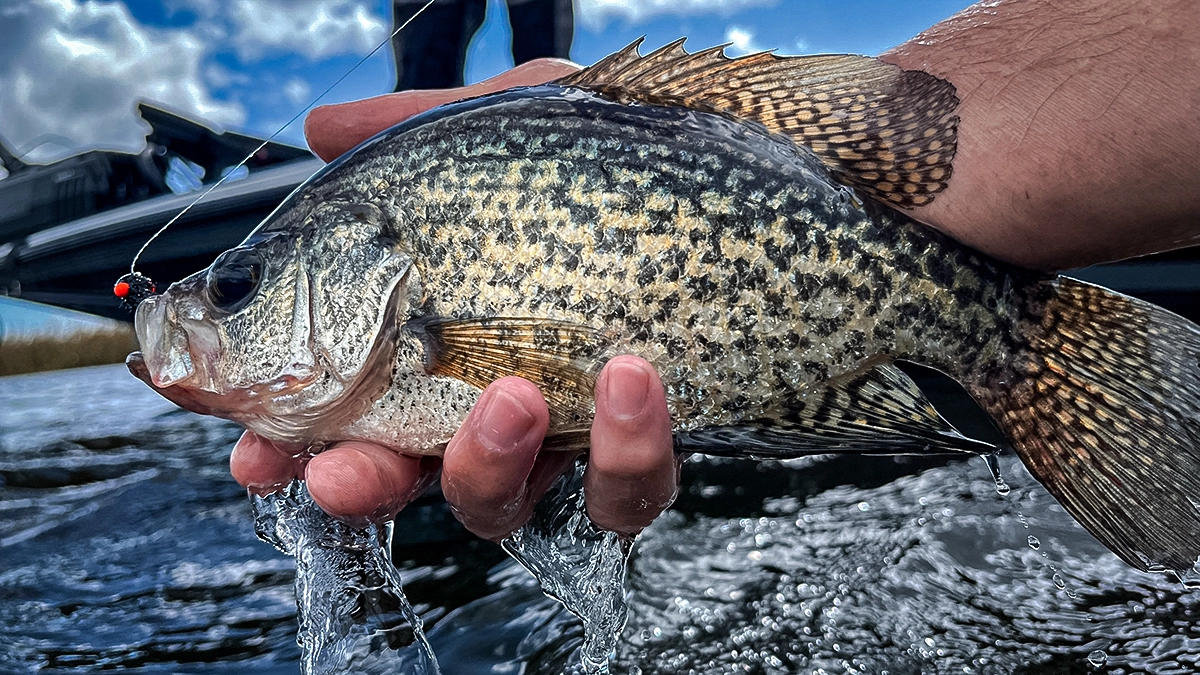
Here in Louisiana, fishermen’s opinions run a dime a dozen, and it seems everyone has their own take on lures, techniques, and theories when it comes to crappie fishing.
Take a recent crappie fishing tournament, where I witnessed a conversation ignite about the differences between white and black crappie that left me questioning what was actually true and what was hearsay.
The Anglers Weigh In

It all started with Toby Bean, the afternoon’s designated fish fry cook. As Bean checked the temperature of the oil before adding the first crappie fillet, he examined the fillet by holding it up to the sunlight. “Looks like a fillet from a white slab,” he said. I asked him how he could tell. “Easy,” Bean replied. “White crappie fillets are always thinner. Black crappie are thicker and meatier.”
That comment opened the floodgates. Within minutes, half a dozen anglers had gathered around the fryer, each sharing their own theories about the differences between the two species.
“You can’t beat the way a black crappie fights,” local crappie fishermen Tommy Roussel said as he lifted his leg up to the bench seat and leaned over to rest on his knee.
“Maybe so,” chimed in veteran angler Ben Boudreaux, “but whites taste sweeter. Something about their diet makes the meat different.”
Bobby Guidry, who’d been listening quietly, shook his head and spoke up. “Y’all are overthinking this—there’s absolutely no difference between a white and a black crappie.”
What the Research Shows
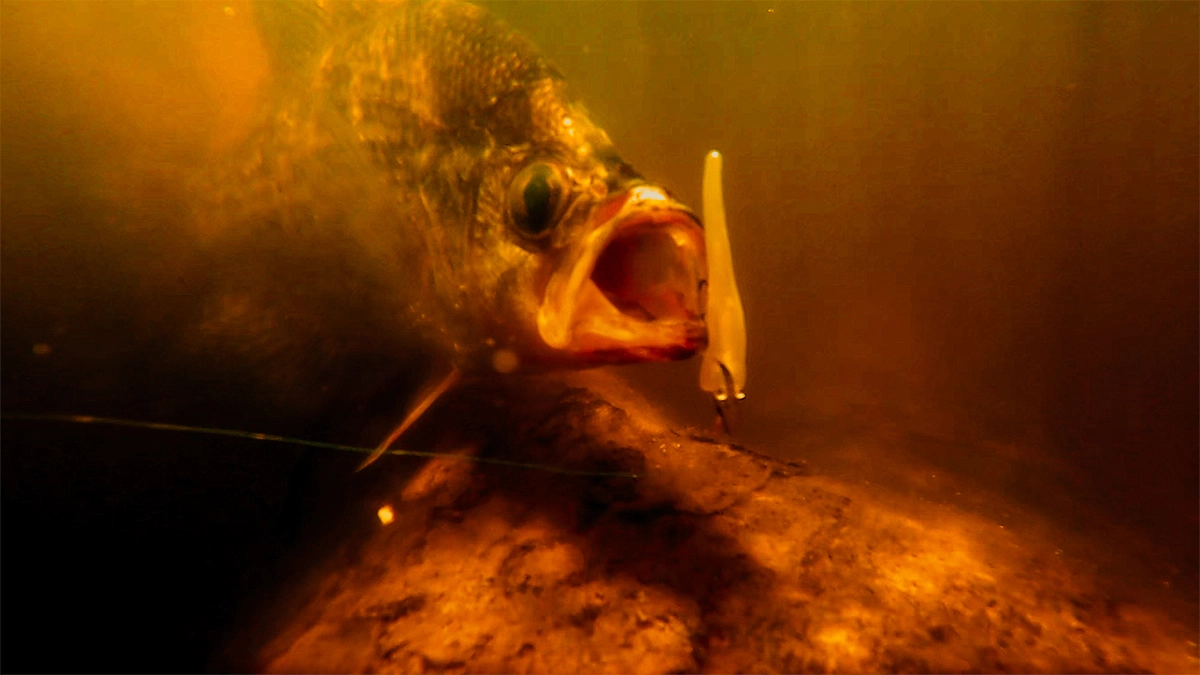
As the debate continued, I realized how much angler opinion varies when it comes to these two closely related species. The observations were interesting, but I wondered what actual science had to say about the difference between black and white crappie.
While angler experience provides valuable insights, scientific research offers concrete answers about the real variations between these species. Recent studies have revealed some surprising facts that go beyond what most fishermen observe on the water.
Habitat Preferences
A comprehensive multi-lake study conducted by University of Illinois researchers used advanced telemetry technology to track both crappie species’ movement and location preferences. Researchers surgically implanted radio transmitters into fish and monitored their locations over extended periods across multiple lake systems.
The study did find that black crappie were located more often in shallow locations with sandy substrate and coarse woody debris, whereas white crappie were located in deeper, less steep locations.
But no significant difference was found between turbidity and temperature at the locations of the two species, suggesting that depth and bottom structure were the primary factors separating them. This is something I have noticed as well when fishing large reservoirs, since the open water usually provides plenty of whites.
Dietary Differences
The taste debate between Ray Boudreaux and others turns out to have scientific merit.
A study conducted out of North Carolina State University focused on the differences in diet between the two fish. The research showed that while white crappie switch from eating invertebrates to fish relatively early in life, black crappie switch at a later age, if they switch at all. As adults, black crappie diets tend to be less dominated by fish than white crappie.
This dietary difference explains why some anglers detect a cleaner, sweeter taste when eating white crappie fillets.
Growth Patterns
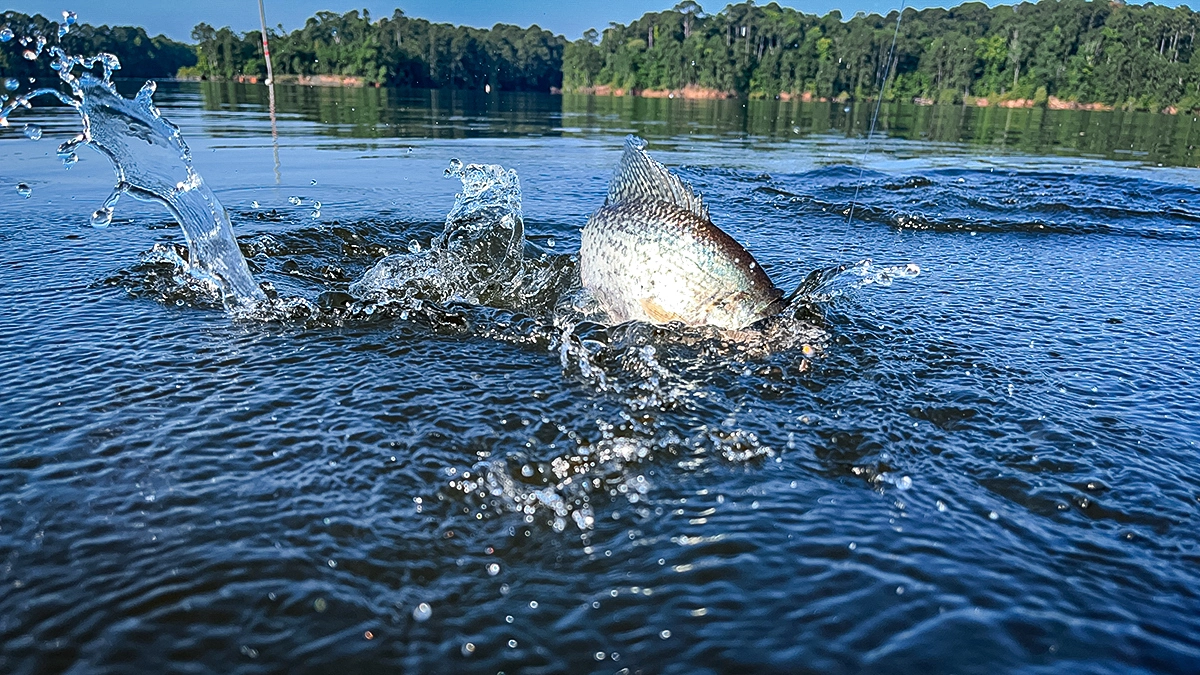
The study also documented that white crappie have a higher growth rate in terms of length than black crappie. This finding supports observations that white crappie often appear more elongated, while black crappie tend to be more compact and thick-bodied—which supports Bean’s insights about fillet thickness.
Spawning Biology
Research into reproductive biology shows dramatic differences between the two species. Black crappie produce around 50,000 eggs per pound of body weight, while white crappie may produce three times that many. This higher reproductive output helps explain why white crappie populations can sometimes dominate certain waters.
A 2011 Kentucky Lake study using telemetry tags revealed another important behavioral difference. White crappie migrate quickly from spawning areas and move to deeper water after spawning, while black crappie don’t exhibit this same migration pattern. This post-spawn behavior difference affects where anglers find each species throughout the year.
Salinity Adaptations
Scientific research has identified that black crappie have higher salinity tolerance, allowing their range to expand further into coastal regions along the East and Gulf coasts. This ability to adapt explains why black crappie are more commonly found in areas where saltwater intrusion occurs.
I can certainly attest to this, since the farther south I fish, the more black crappie I catch. Here in Louisiana, the water turns brackish the closer you get to the Gulf.
Science Explains Insights
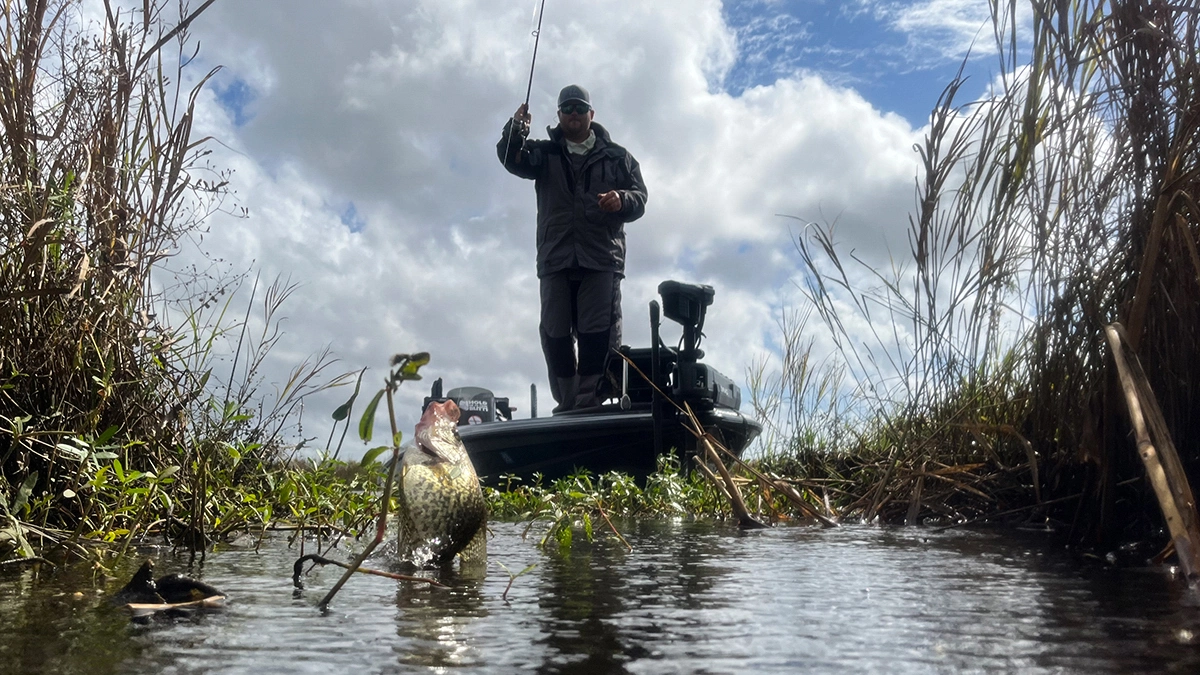
While the tournament fish fry conversation covered fighting ability, taste, and habitat preferences, the scientific research adds depth to these observations. The studies confirm that many angler observations have merit, but they also reveal underlying biological reasons for the differences.
The next time you’re at a fish fry listening to crappie theories, remember that while angler experience provides valuable insights, scientific research helps separate fact from fishing tale. Both black and white crappie deserve targeted approaches based on their documented behavioral and biological differences.