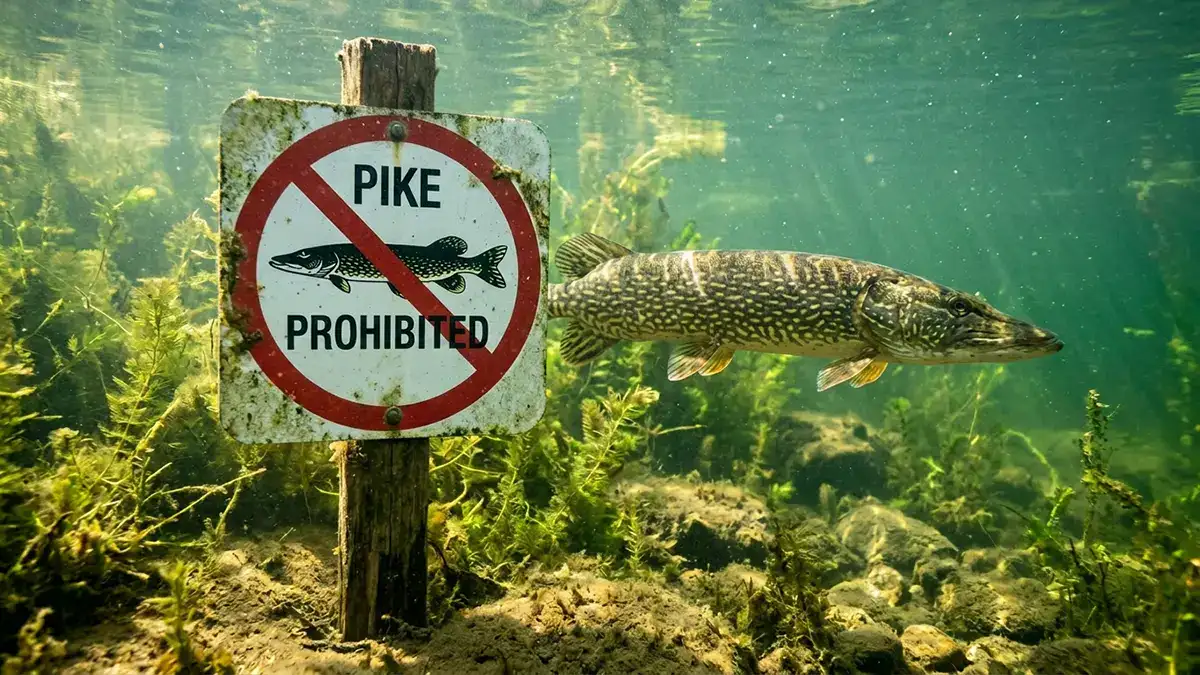
Montana anglers are once again being reminded how quickly illegal fish introductions can threaten local fisheries after Montana Fish, Wildlife & Parks (FWP) confirmed new occurrences of invasive game fish in community ponds near Three Forks and Livingston.
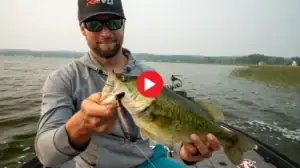
According to FWP, fisheries staff recently confirmed northern pike in the Three Forks Ponds, located less than a mile from the Madison River. They also noted both smallmouth bass and largemouth bass in Livingston’s Sacajawea Lagoon, a pond connected to Fleshman Creek near the Yellowstone River. Anglers first reported the fish in late May, and agency biologists subsequently captured two northern pike in Three Forks and nine bass in Livingston during sampling efforts. State fishery officials emphasized that while these species exist elsewhere in Montana, they are not native to either the upper Missouri or upper Yellowstone River basins.
The discovery of pike can prove to be an issue in waters managed for other species, such as trout. Northern pike and smallmouth bass are highly effective predators capable of altering fish communities, reducing populations of native species, and impacting established recreational fisheries. Once introduced, these fish can be extraordinarily difficult, and sometimes impossible, to remove. FWP believes the fish were likely introduced illegally, as Montana law prohibits transporting live fish between waters except under limited circumstances with approved stocking permits.
Not The First Rodeo
The latest discoveries are not isolated incidents. In fact, Montana has experienced a steady stream of illegal fish introductions in recent years, which has created an ongoing challenge for fisheries managers.
Just weeks before the Three Forks and Livingston discoveries, FWP had investigated another illegal northern pike introduction in Pine Grove Pond near Kalispell. The agency became suspicious after a photo of an angler holding a pike near the pond circulated on social media last fall. Biologists later confirmed their concerns when they captured a northern pike matching the distinctive markings of the fish shown in the photo.
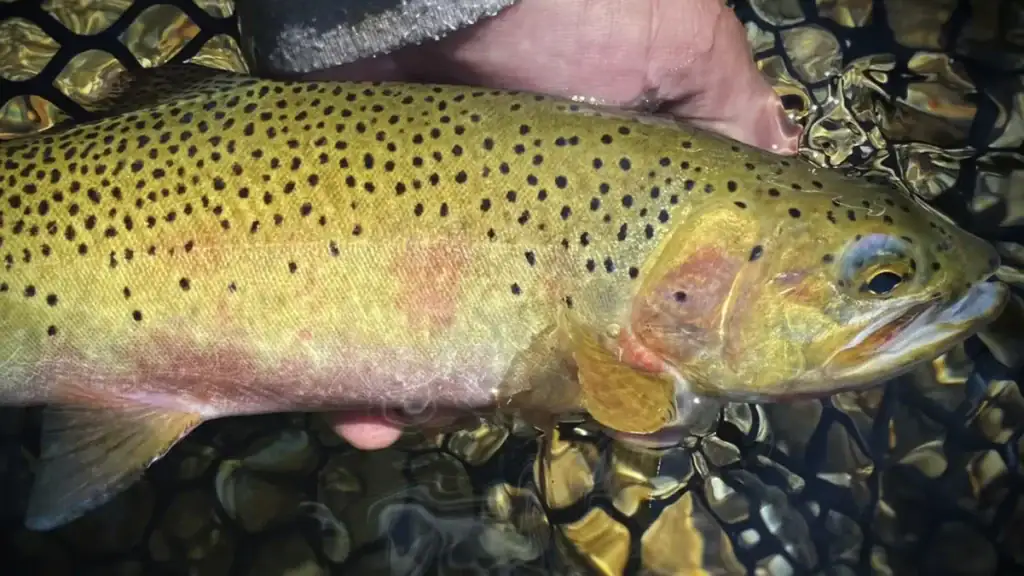
Pine Grove Pond is managed primarily as a family-friendly trout fishery and receives regular stockings of rainbow trout and westslope cutthroat trout. Fisheries managers warned that even a small number of pike can devastate trout populations in confined waters.
“This is an extremely disappointing and damaging act,” FWP Regional Fisheries Manager Mike Hensler said at the time. “Pine Grove Pond was built and managed as a place for kids and families to learn to fish and enjoy catching trout. Introducing pike could ruin that experience for everyone.”
Because the pond is isolated from other waterbodies, officials concluded the fish could only have arrived through illegal human introduction. A reward of up to $3,500 was subsequently offered for information leading to those responsible. According to FWP, anglers are encouraged to kill and report any northern pike caught in the pond. The agency is also considering environmental DNA (eDNA) testing to determine whether additional pike remain.
An Ongoing Issue In Big Sky Country
Northern pike have a long history of causing problems after being illegally moved beyond their native range. Originally native only to waters east of the Continental Divide within the Saskatchewan River drainage, pike were illegally introduced into western Montana beginning in the 1950s. From there, they spread throughout northwest Montana, eventually establishing populations in more than 80 waterbodies.
Their impacts have been significant. In the Flathead River system, pike have been linked to declines in native westslope cutthroat trout and bull trout through predation and competition. In the Swan River drainage, invasive pike prompted costly suppression programs after they began consuming native trout and whitefish. Fisheries managers have also documented instances where illegally introduced pike effectively eliminated stocked trout fisheries in small lakes and ponds within only a few years.
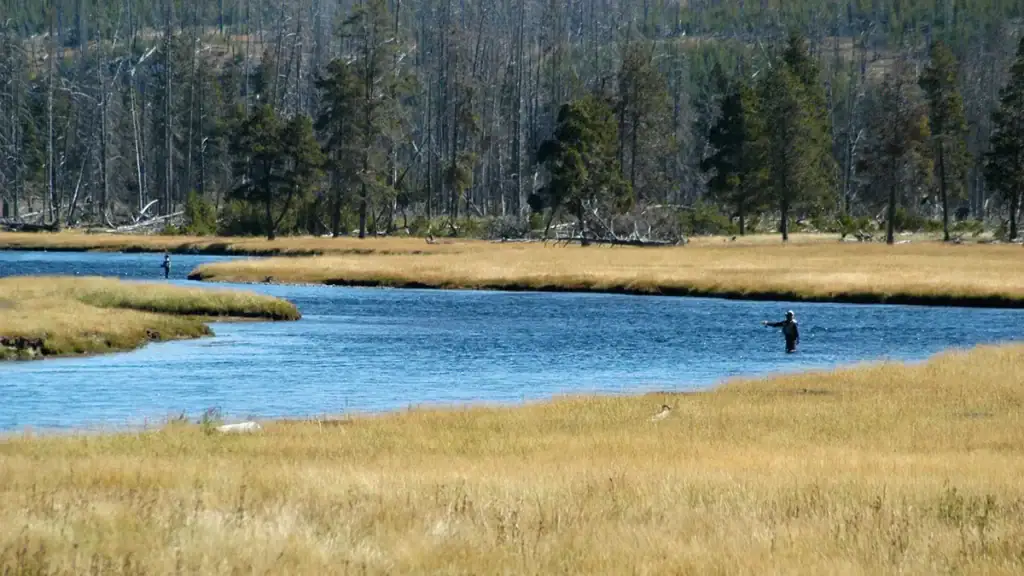
Those examples are why fisheries biologists are responding aggressively to the newly discovered pike in Three Forks and bass in Livingston. While a few fish in a community pond may seem harmless to some anglers, the risk comes from their proximity to major river systems. The Three Forks ponds sit near the Madison River, while Sacajawea Lagoon lies adjacent to the Yellowstone River. If introduced fish gain access to connected waters and establish reproducing populations, the ecological and economic consequences can be substantial.
FWP continues to evaluate management options for the newly discovered fish populations and is asking the public for assistance. Anyone with information regarding illegal fish introductions can submit tips through Montana’s wildlife crime reporting system and may be eligible for a reward. Agency officials stress that early detection often provides the best chance to prevent invasive fish from becoming permanently established.