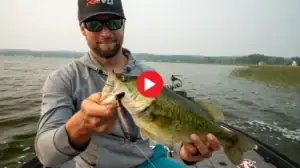
Ice fishing basin crappie can feel overwhelming on large natural lakes. However, modern sonar technology changes that equation fast. In this video, Wired2fish contributors Ryan DeChaine and Mike Hehner break down how they efficiently locate and catch suspended crappie in open basins using forward-facing sonar and traditional 2D sonar.
Featured Product
- LIVE SONAR – Humminbird MEGA Live 2 Imaging Transducer: Buy at Bass Pro Shops
- FISH FINDER – Humminbird XPLORE 9 CHIRP MEGA SI Fish Finder/Chartplotter: Buy at Bass Pro Shops | Buy at Tackle Warehouse | Buy at FishUSA
- Fish Armor Pro Extreme Live Imaging Shuttle
- Fish Armor Pro Lite Live Imaging Shuttle
- Fish Armor Live Imaging Pro Pole
- Fish Armor Accessories
- Fish Armor Boat Mounts
Forward-Facing Sonar for Finding Basin Crappie
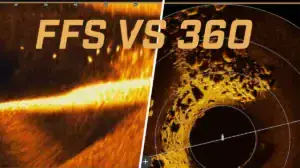
Forward-facing sonar plays a critical role when ice fishing large basin areas. Crappie often suspend well off the bottom, sometimes halfway up the water column. Because of that, these fish rarely hide once you know how to look for them. DeChaine demonstrates how a single hole can scan more than a 200-foot diameter. That wide search range allows anglers to quickly confirm whether fish are present or absent. Importantly, the absence of fish provides just as much information as marking them. Once fish appear on the screen, the duo tightens their search pattern. They drill additional holes to overlap sonar coverage and stay ahead of roaming schools. This approach mirrors how hunters position themselves to intercept moving targets.
Using 2D Sonar After Locating Fish
After finding fish with forward-facing sonar, Hehner explains why switching to 2D sonar can be valuable. In some situations, crappie appear less reactive to forward-facing signals. Switching sonar styles helps reduce pressure and keeps fish comfortable. With 2D sonar, both anglers can watch multiple jigs on one screen while fishing several feet apart. This setup allows them to track fish reactions closely and adjust presentations in real time.
Bait Choices and Presentation Adjustments
Even when electronics reveal large schools, crappie do not always cooperate. DeChaine emphasizes downsizing baits during neutral or negative bite windows. Smaller jigs, subtle plastics, and minimal movements often trigger reluctant fish. The anglers rotate between horizontal and vertical presentations. They also adjust jig sizes and colors to match fish behavior. Durable plastics and soft materials create action without excessive rod movement, which proves key during finicky periods.
Responsible Ice Fishing in Basins
Throughout the video, DeChaine and Hehner stress responsible ice fishing practices. By targeting suspended crappie in moderate depths, they reduce the risk of barotrauma. This approach allows for effective catch-and-release while still enjoying consistent action. They also discuss selective harvest and why letting larger fish go helps maintain healthy size structure in natural lakes.