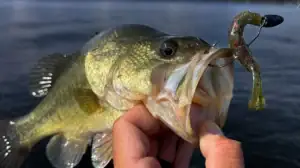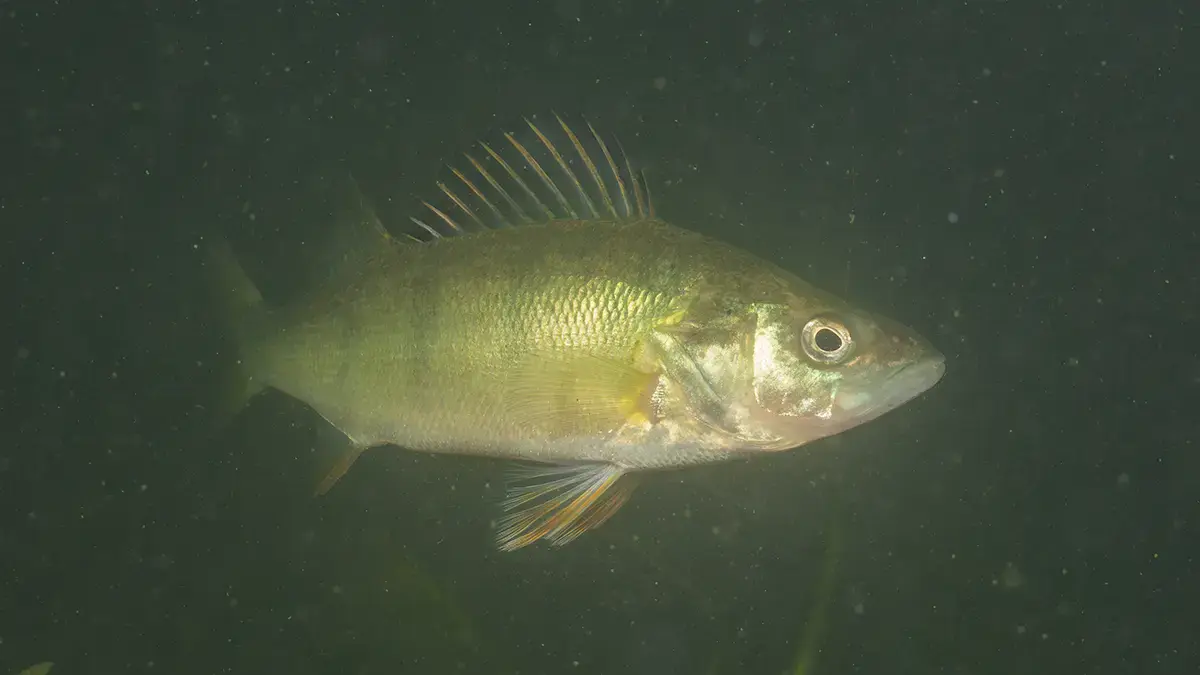
An angler heading out for a routine day on the ice at Island Park Reservoir in Idaho got a big surprise on Jan. 3 when a bait intended for a trout came up with something unexpected: a 5-inch yellow perch. While perch are a popular sportfish in many parts of the country, they don’t belong in Island Park Reservoir. The angler immediately sounded the alarm.
The angler kept the fish and quickly reported to Idaho’s Citizens Against Poaching hotline. Fish and Game conservation officers met the angler right out on the ice and confirmed the identification. With no nearby waters containing yellow perch and no natural way for the species to reach the reservoir, officials determined the fish was illegally stocked. This marks the first-ever confirmed yellow perch found in Island Park Reservoir, which is managed as a hatchery-supported rainbow trout fishery.
Illegal fish stocking can cause serious, long-term damage to a fishery. In Idaho, transporting live fish without the proper permits is illegal. Introducing fish where they don’t belong can disrupt the balance of a fishery, harm native or managed species, and undo years of conservation work. In some cases, restoring a damaged fishery can cost hundreds of thousands of dollars, and those responsible can face felony charges.
Fisheries Manager Brett High said Fish and Game will continue to closely monitor the situation. “Trout are Idaho’s most popular species and rely heavily on small crustaceans known as zooplankton,” High explained. “Yellow perch are also popular, but they eat the same food. Sometimes they can co-exist, but often perch out-compete trout, leading to poor growth and survival. How this illegal introduction may affect ongoing efforts to improve water quality and the fishery in Island Park Reservoir is unknown and concerning.”
Because of those risks, Fish and Game is asking anglers to harvest any yellow perch they catch in Island Park Reservoir. There is no bag limit or size restriction, and removing perch can help reduce the chance of the species becoming established.
Harmful Effects Of Illegal Stocking of Yellow Perch
Yellow perch might be a favorite panfish in places where they belong, but when they’re illegally introduced into new waters, they can cause real problems. One of the biggest issues is predation. Yellow perch eat fish eggs, larvae, and young fish, and in lakes that didn’t evolve with them, native species often aren’t prepared. In many western trout waters, for example, illegally introduced perch prey heavily on trout fry, making it harder for trout populations to sustain themselves.
They also compete aggressively for food and space. Yellow perch feed on insects, zooplankton, and small fish, which are the same resources many native species rely on. Because perch often school up, they can outcompete native minnows, dace, and sculpins, leading to noticeable declines in those fish. Over time, this competition can reduce the diversity in a given body of water.
Another problem is how perch can disrupt the balance of a waterway. When perch numbers get high, they can drastically reduce zooplankton populations. With fewer zooplankton grazing on algae, lakes may experience murkier water and more frequent algal blooms. This kind of change affects everything from water quality to oxygen levels, which can stress other fish species.
Ironically, yellow perch can also hurt fishing opportunities. In waters without enough predators to keep them in check, perch populations often explode and become stunted. Anglers end up catching huge numbers of small, slow-growing fish instead of a balanced mix of species. In lakes managed for trout or kokanee salmon, perch are especially damaging because they eat young fish and compete for plankton, sometimes contributing to the collapse of popular fisheries.
There’s also the risk of disease. Illegal fish introductions skip health screenings, which means parasites and pathogens can be spread into waters that were previously disease-free. Once that happens, the damage can extend far beyond just one species.
The hardest part is that once yellow perch are established, they’re incredibly difficult to remove. Fish and wildlife agencies sometimes resort to expensive and controversial methods like chemical treatments that kill all fish in a lake just to start over. That’s why illegal stocking is taken so seriously.
If You See Something, Say Something
Idaho has asked anglers for help in managing their fisheries. Conservation officers patrol a massive amount of water and can’t be everywhere at once, which is why anglers play such an important role in protecting Idaho’s fisheries. If you see someone transporting live fish or witness any other wildlife violation, call the Citizens Against Poaching hotline at 1-800-632-5999. Calls can be made anonymously, and in some cases, tipsters may be eligible for a reward.