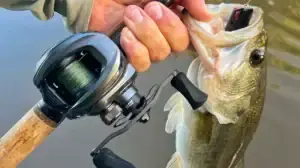
Many of Maine’s blue ribbon trout streams have ordinances in place that limit the type of gear used to fly tackle. Fisheries managers placed those restrictions because they believe that limiting those waters to fly gear minimizes mortality, encouraging the native brook trout population to thrive. But some anglers feel that they are being unfairly excluded by the fly-fishing-only regulations on some of the state’s most prized waters.
According to The Maine Wire, the International Order of Theodore Roosevelt (IOTR) has filed a lawsuit aimed at opening all of Maine’s public fishing waters to everyone, not just fly fishermen. The organization argues that fly-fishing-only rules unfairly limit access to high-quality fisheries and disproportionately benefit wealthy anglers and out-of-state visitors at the expense of everyday Mainers.
The lawsuit, filed in Kennebec County Superior Court, targets the Maine Department of Inland Fisheries and Wildlife and challenges regulations that restrict certain lakes and streams, known for native brook trout, to fly fishing only. IOTR spokesperson Jared Bornstein told WGME13 that many of Maine’s best trout waters fall under these restrictions, effectively barring anglers who rely on conventional gear.
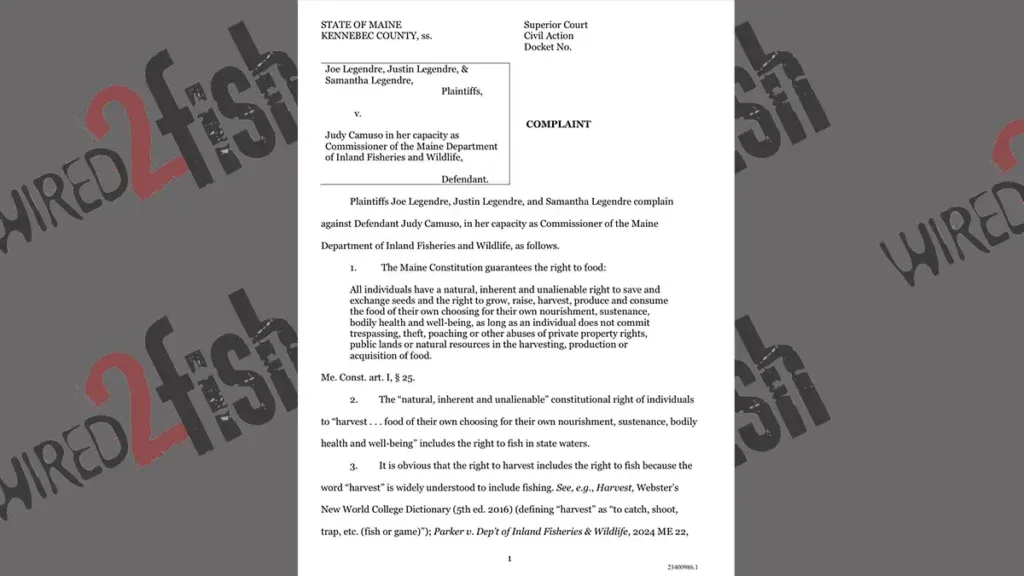
Multiple local news outlets, including WGME13 and Fox23 Maine, report that the legal challenge is backed by a Maine family of fishermen who believe the rules violate their rights as licensed anglers. The plaintiffs argue that because they pay license fees, taxes, and support conservation efforts, they should not be excluded from public waters based solely on fishing method.
Central to the case is Maine’s “Right to Food” law, passed in 2021. The plaintiffs claim the law guarantees the right to harvest food, including fish, from the state’s natural resources. They argue that fly-fishing-only rules infringe on that right by limiting access to waters where fish populations are healthiest.
Bornstein has repeatedly emphasized that fly fishing often requires specialized gear, training, and time, which are resources not always available to working-class anglers. “They are paying for the license fees, they are paying their taxes, they support the state’s conservation efforts, but because they don’t have time to learn how to fly fish or the money to buy the equipment, they are not able to go fish in these pristine spots,” he told WGME13.
The debate has also sparked concern within the fly-fishing community. MidCurrent notes that fly-fishing-only regulations have long been used by fisheries managers as a conservation tool, particularly to protect sensitive trout populations. Critics of the lawsuit worry that removing these restrictions could impact fish health and long-term sustainability.
The Maine Legislature previously considered a related proposal, LD 820, which sought to expand constitutional hunting and fishing rights. However, the measure failed to secure the two-thirds majority needed to advance to the ballot, according to The Maine Wire.
State officials have declined to comment on the ongoing litigation. Both the Maine Department of Inland Fisheries and Wildlife and the Attorney General’s Office have said they do not comment on pending cases.